

Stuck on a Business Idea? Here’s How to Find Your Next Steps
Many aspiring entrepreneurs often face the challenge of feeling stuck when trying to come up with the perfect business idea. It's easy to get overwhelmed by the sheer number of possibilities, or feel paralyzed by indecision. If you're stuck on a business idea and unsure of your next move, don't worry—there are practical steps you can take to find your way forward.

Creating a Purpose-Driven Business: Why Social Impact is the Key to Long-Term Success
In today’s fast-paced business landscape, companies are increasingly realizing that profitability alone is not enough to secure long-term success. Businesses that integrate social impact into their core values and operations are emerging as leaders, both in terms of financial growth and customer loyalty.

How to Create a Business Plan That Turns Ideas into Profitable Ventures
Creating a business plan is the cornerstone of turning your entrepreneurial ideas into a profitable venture. A well-thought-out business plan not only helps you stay organized but also allows you to attract investors and secure funding. Here’s how you can craft a business plan that will transform your ideas into successful businesses.

Where to Start When You Have a Great Idea But No Experience
Having a brilliant idea but no experience can feel both exciting and daunting. But remember, some of the most successful entrepreneurs started with just an idea and little experience. The key is to take actionable steps to turn your idea into reality. Here’s a guide on how to start when you're in this position.

How to Bootstrap Your Business Without Investor Funding
Starting a business can be an exciting journey, but one of the biggest challenges entrepreneurs face is securing funding. While investor backing can give a financial boost, many business owners choose to bootstrap — relying on personal savings and operational revenue to grow.

How to Build a Profitable Mortgage Brokerage with Minimal Overhead
Starting a mortgage brokerage can be a highly profitable business venture, but keeping overhead costs low is key to maximizing profitability, especially in the early stages. In this article, we’ll explore the strategies that can help you build a successful mortgage brokerage while minimizing overhead expenses.

How to Overcome Fear and Take the First Step Towards Your Business Dream
Starting a business is a dream for many, but fear often holds people back. Whether it’s fear of failure, financial insecurity, or self-doubt, overcoming these fears is crucial to achieving entrepreneurial success. Here’s how you can tackle these obstacles and take the first step toward making your business dream a reality.

Mastering the Art of Digital Storytelling to Drive Business Growth
In today’s fast-paced digital world, storytelling is more than just a tool for entertainment; it’s a powerful strategy for driving business growth. When done right, digital storytelling connects your brand with your audience on a deeper level, fostering loyalty, trust, and engagement.

Why Micro-Entrepreneurship is the Future: A Guide for Small Business Success
In today's dynamic economic landscape, traditional models of employment and business ownership are rapidly changing. One of the most significant shifts is the rise of micro-entrepreneurship, a trend that empowers individuals to create and manage small-scale, agile businesses. These businesses often operate with minimal overhead and offer services or products to niche markets.

Unconventional Startup Ideas: How to Build a Business in Untapped Markets
In today’s competitive world, conventional startup ideas often face stiff competition and market saturation. Entrepreneurs seeking to carve out a niche for themselves can explore unconventional startup ideas—ventures that tap into overlooked, underserved, or entirely untapped markets. The allure of these markets lies in the opportunities they provide for innovation, differentiation, and the ability to solve unique problems..

Leveraging LinkedIn: How Real Estate Professionals Can Grow Their Network Online
In the digital age, building a strong professional network is crucial for success in the real estate industry. While many real estate professionals rely on traditional networking methods like open houses and industry events, LinkedIn offers a powerful platform to expand your network, boost your credibility, and ultimately grow your business.

The Role of Financial Advisors in Real Estate Investment Planning
Real estate investment has long been a preferred method for building wealth and securing financial stability. While the potential rewards are great, navigating the complexities of real estate investments can be overwhelming, especially for those unfamiliar with market trends, legal implications, or tax consequences. This is where financial advisors play a critical role.

Creating Engaging Content: Tips for Real Estate Influencers on Instagram and TikTok
Social media platforms like Instagram and TikTok have revolutionized the way real estate influencers connect with potential buyers, sellers, and investors. The visual and interactive nature of these platforms provides unique opportunities for influencers to grow their audience and establish their personal brand.

How to Leverage Real Estate Investment Groups for Success
Real estate investment groups (REIGs) offer a powerful platform for investors looking to enhance their portfolios without the complexities of solo ownership. By pooling resources and expertise, REIGs provide opportunities to scale faster, reduce risk, and tap into a network of knowledgeable professionals. Here's how you can leverage real estate investment groups to achieve success.

Top Strategies for Building Your Real Estate Brand on Social Media
In today’s digital landscape, establishing a robust real estate brand on social media is crucial for success. With millions of potential buyers and sellers active online, social media offers real estate professionals an unparalleled platform to showcase their expertise, connect with clients, and grow their business.
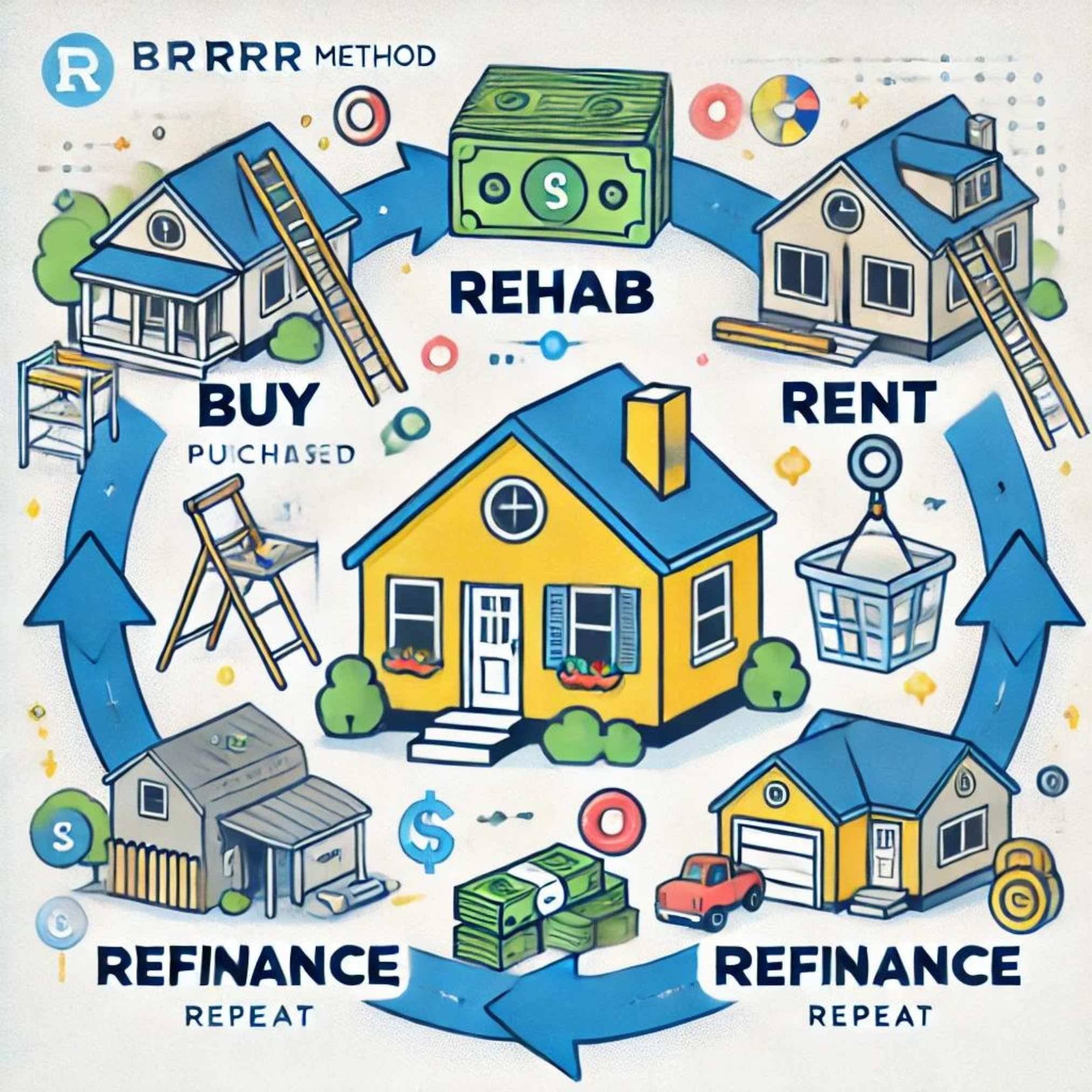
Understanding the BRRRR Method: A Step-by-Step Guide to Real Estate Investing
The BRRRR method, short for Buy, Rehab, Rent, Refinance, and Repeat, is a popular real estate investment strategy that helps investors build wealth by recycling their capital. This strategy is ideal for those looking to generate passive income and grow a portfolio of rental properties without constantly needing new cash injections. .

Maximizing Cash Flow: How BRRRR Can Enhance Your Real Estate Portfolio
The BRRRR strategy—Buy, Rehab, Rent, Refinance, Repeat—has become one of the most effective tools for real estate investors seeking to maximize cash flow and scale their portfolios. If executed properly, BRRRR allows investors to recycle capital and leverage properties to grow their holdings with minimal upfront investment.

Finding the Right Mentor in Real Estate Investing: Tips and Resources
Real estate investing can be a lucrative way to build wealth, but navigating its complexities can be challenging, especially for beginners. Having the right mentor can significantly accelerate your learning curve and help you avoid costly mistakes. This article will guide you through finding the right mentor in real estate investing and provide resources to get started.

The Pros and Cons of Short-Term Rentals as a Passive Income Strategy
Short-term rentals have gained popularity as a passive income strategy, especially with the rise of platforms like Airbnb and Vrbo. While this investment route can be lucrative, it's essential to weigh the benefits against the potential challenges. Here’s a look at the pros and cons of short-term rentals to help you decide if this is the right passive income strategy for you.
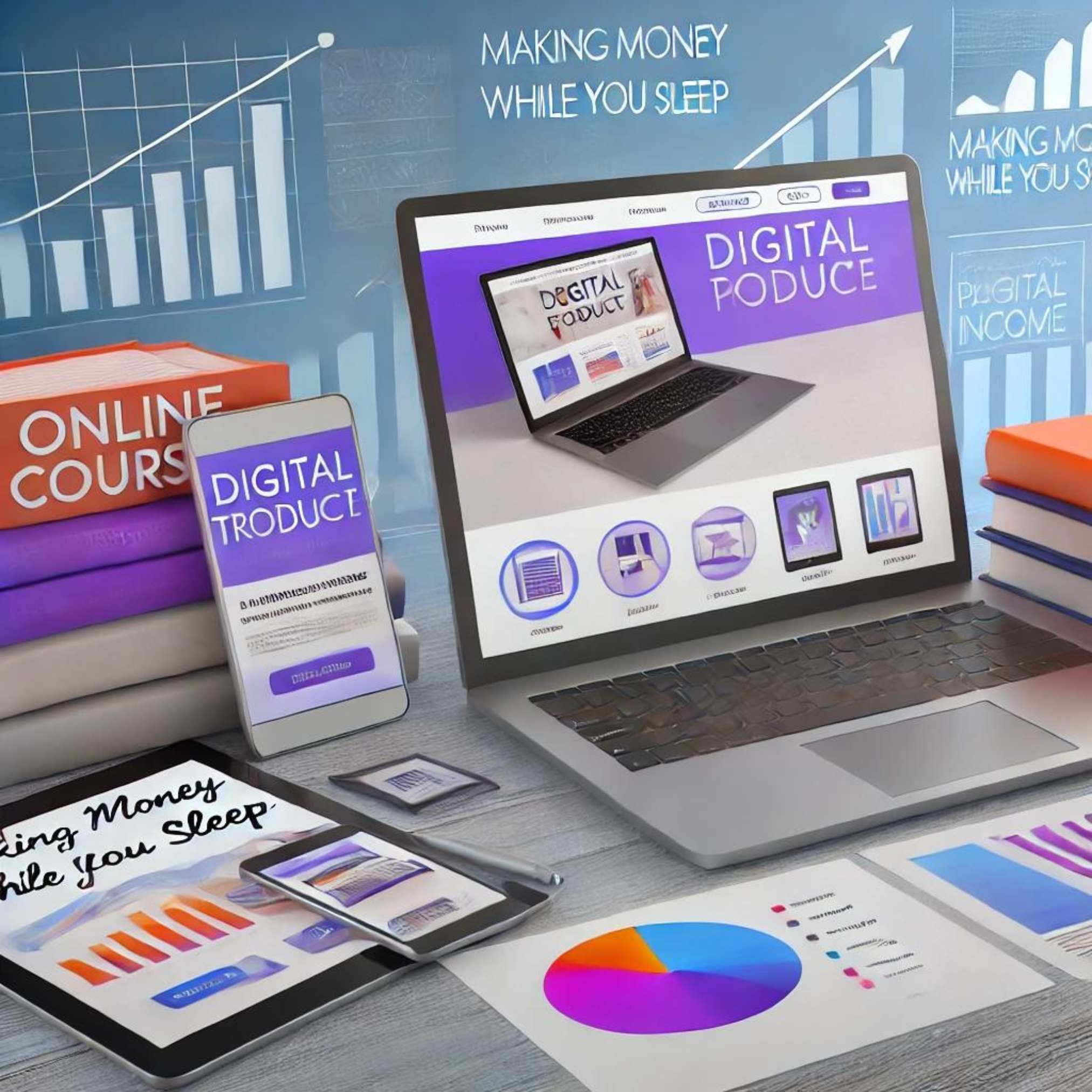
Creating Digital Products That Generate Revenue While You Sleep
In today’s digital age, the dream of earning passive income has become more achievable than ever. By creating digital products, you can generate revenue around the clock, even while you sleep. The beauty of digital products is that they require upfront effort but can be sold an infinite number of times without additional production costs.