
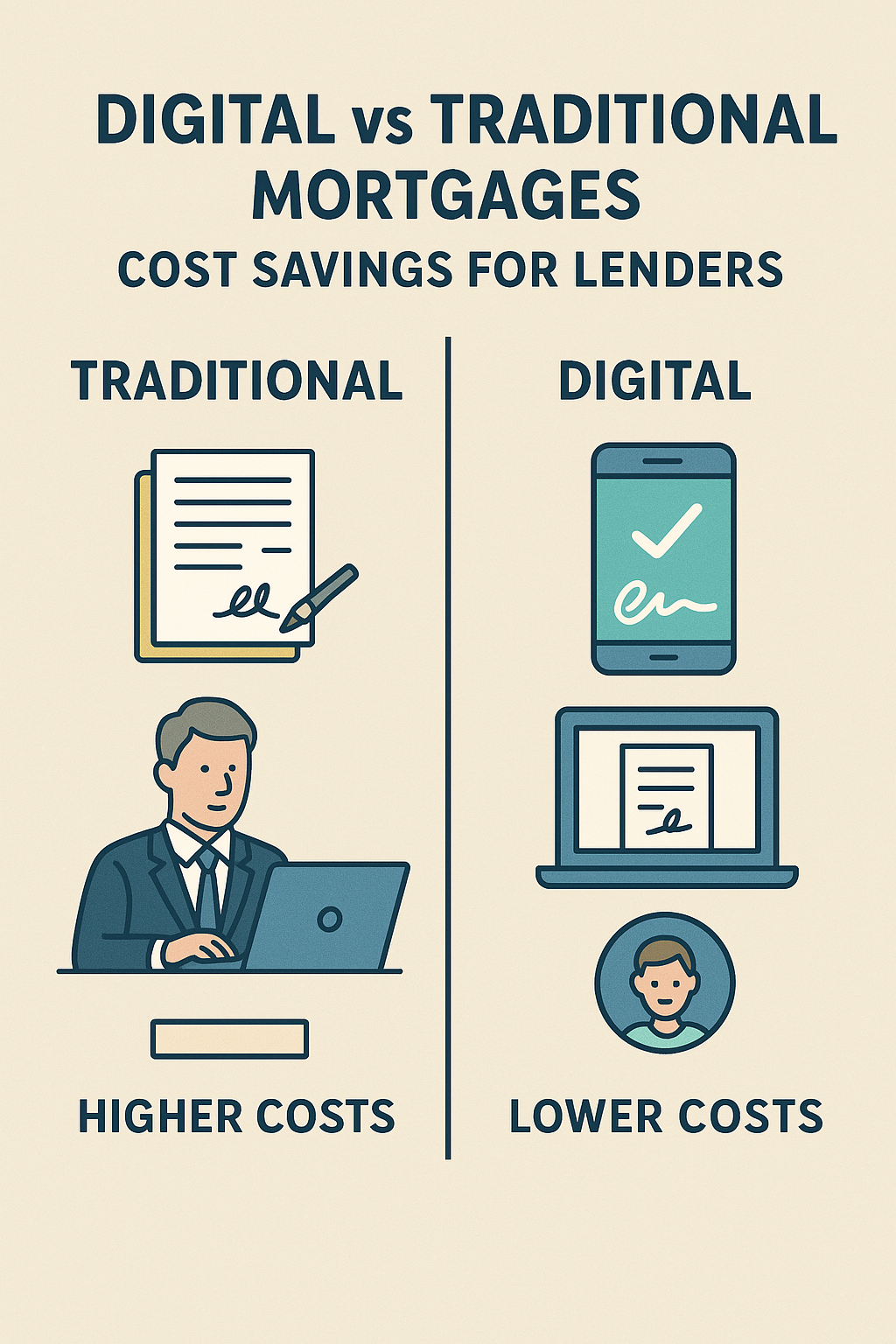
Digital vs Traditional Mortgages: Cost Savings for Lenders
The mortgage industry is undergoing a rapid transformation as lenders increasingly adopt digital solutions. Traditional mortgage processes—characterized by stacks of paperwork, in-person meetings, and lengthy turnaround times—are being replaced by eMortgages and other digital tools. One of the biggest drivers of this shift is the potential for significant cost savings.
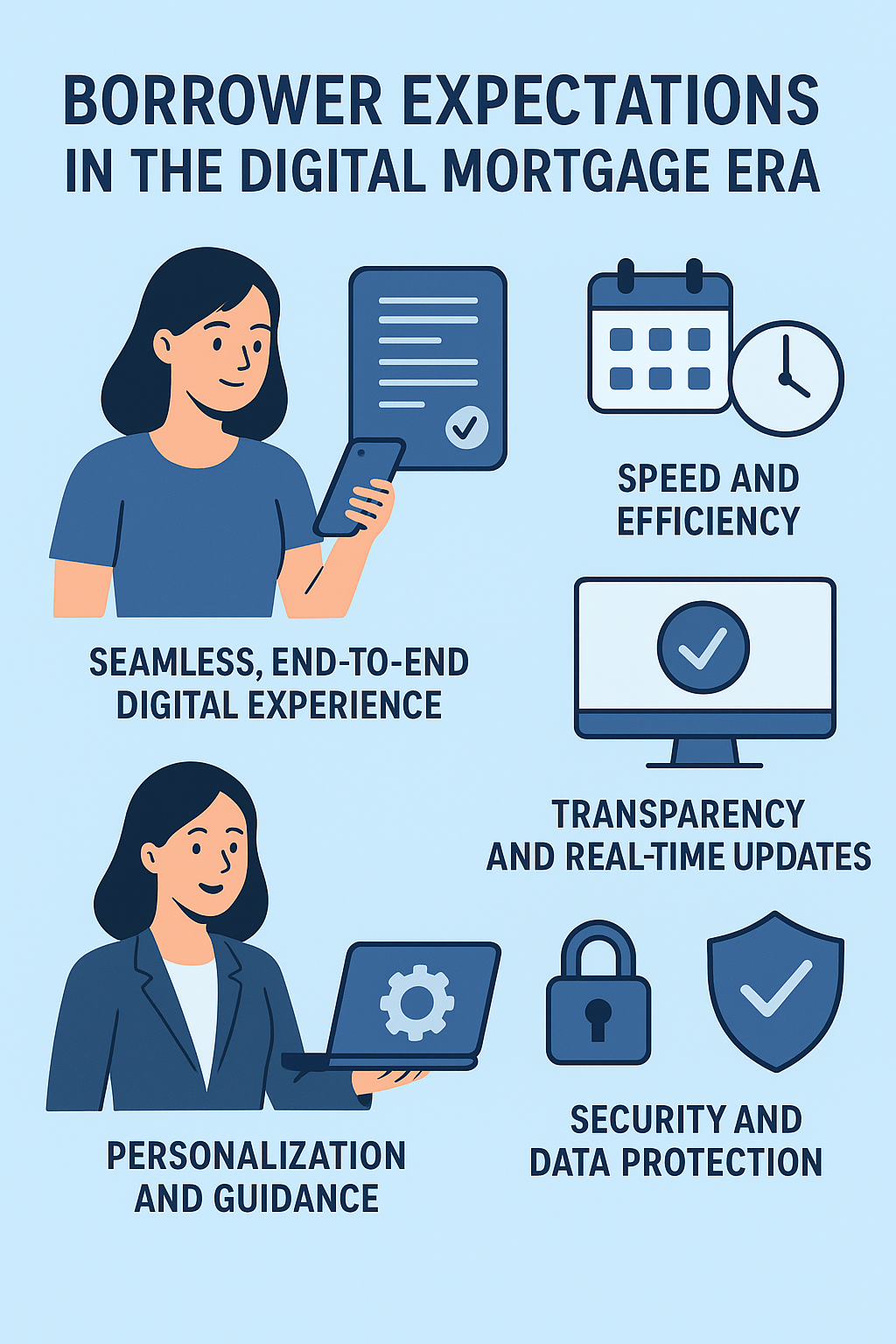
Borrower Expectations in the Digital Mortgage Era
The mortgage industry is undergoing a fundamental transformation as technology reshapes how loans are originated, processed, and closed. Today’s borrowers live in a world where convenience, speed, and transparency are the standard in nearly every financial transaction. Naturally, these expectations now extend to mortgages—an area once known for its paperwork-heavy, time-consuming processes.
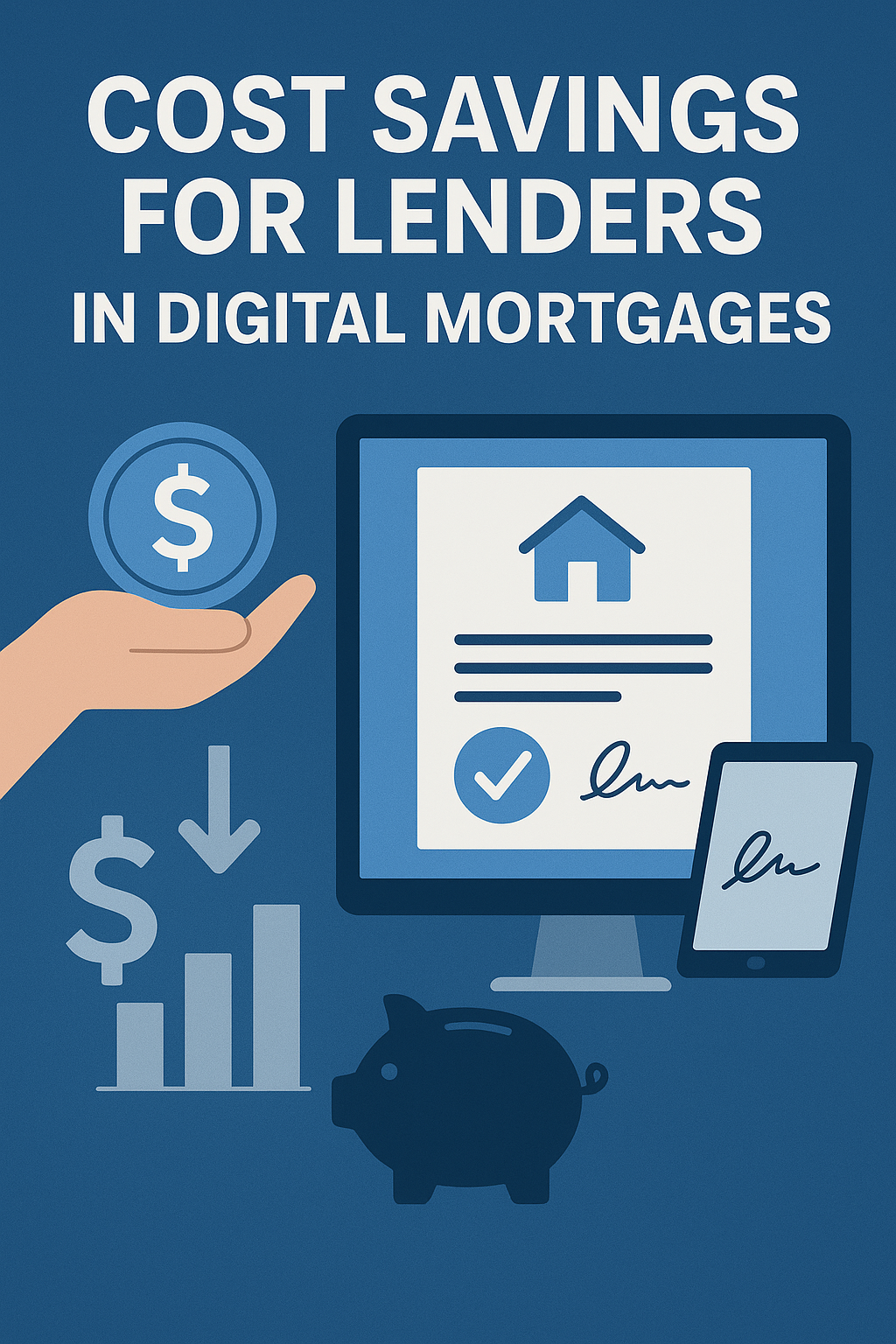
Cost Savings for Lenders in Digital Mortgages
The mortgage industry has been undergoing a major transformation with the rise of digital mortgages. As lenders adopt technologies like eClosings, eNotes, and automated underwriting systems, the benefits extend beyond faster loan processing and better borrower experience.
Q4 2025 Forecast — Where Are eMortgages Headed Next?
By Q4 2025 the eMortgage story is shifting from promise to pragmatism. The building blocks — eNotes, remote online notarization (RON), investor readiness and integrated eClosing platforms — are in place, but adoption is still uneven. Expect steady growth in eNote volume and a wave of hybrid-to-fully-digital closings driven by regulation, investor incentives, and practical gains in speed and cost.
U.S. Housing Market Outlook: What It Means for Digital Lending
The U.S. housing market continues to evolve in response to shifting economic conditions, interest rate movements, and consumer expectations. For digital lenders and mortgage providers, these changes present both opportunities and challenges. Understanding the direction of the housing market is critical for positioning digital lending platforms to meet borrower needs effectively.
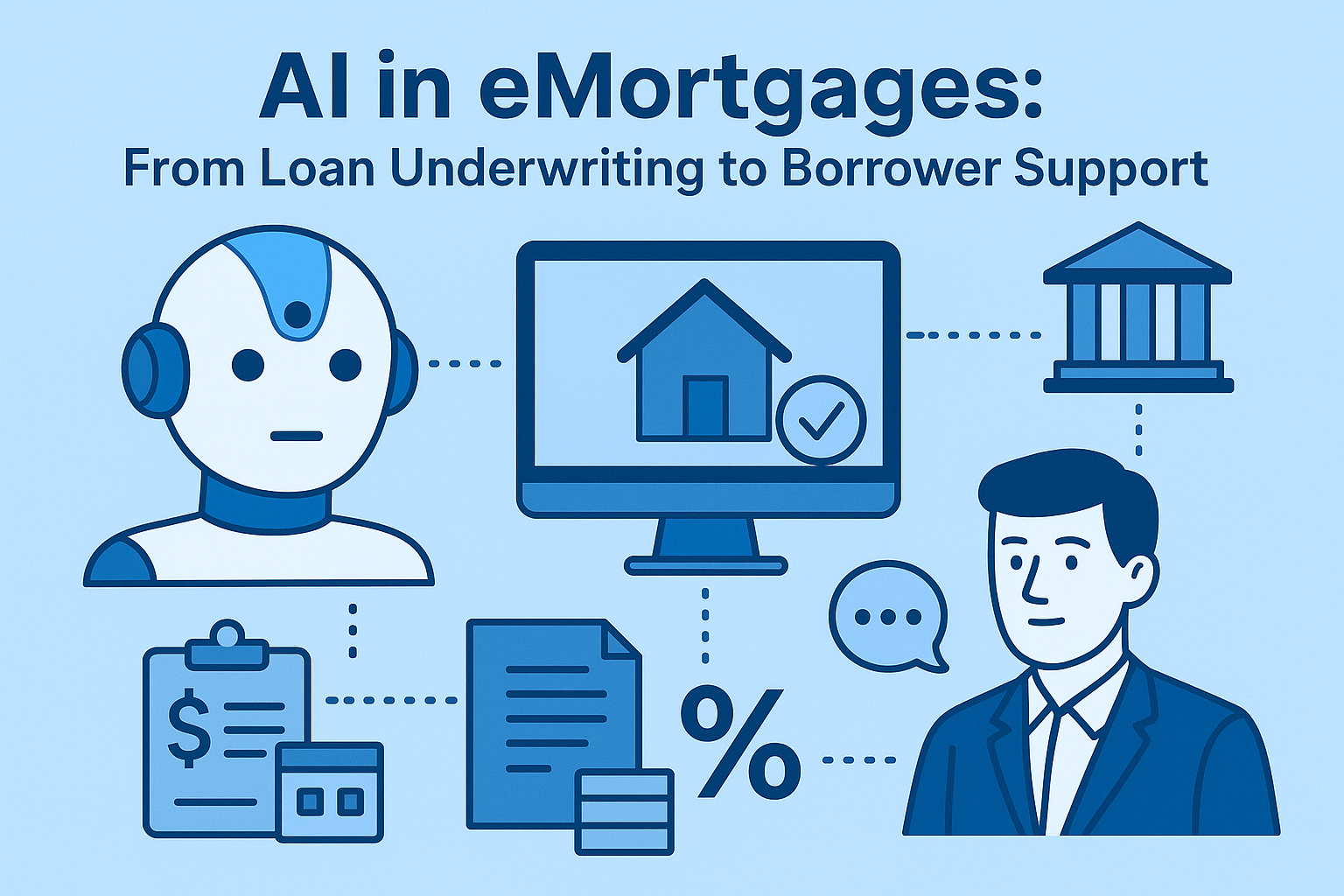
AI in eMortgages: From Loan Underwriting to Borrower Support
The mortgage industry has entered a new era, where artificial intelligence (AI) is no longer a futuristic concept but a practical tool transforming how lenders and borrowers interact. Within the eMortgage ecosystem, AI is streamlining everything from underwriting decisions to customer service, making the borrowing process faster, more accurate, and borrower-friendly.
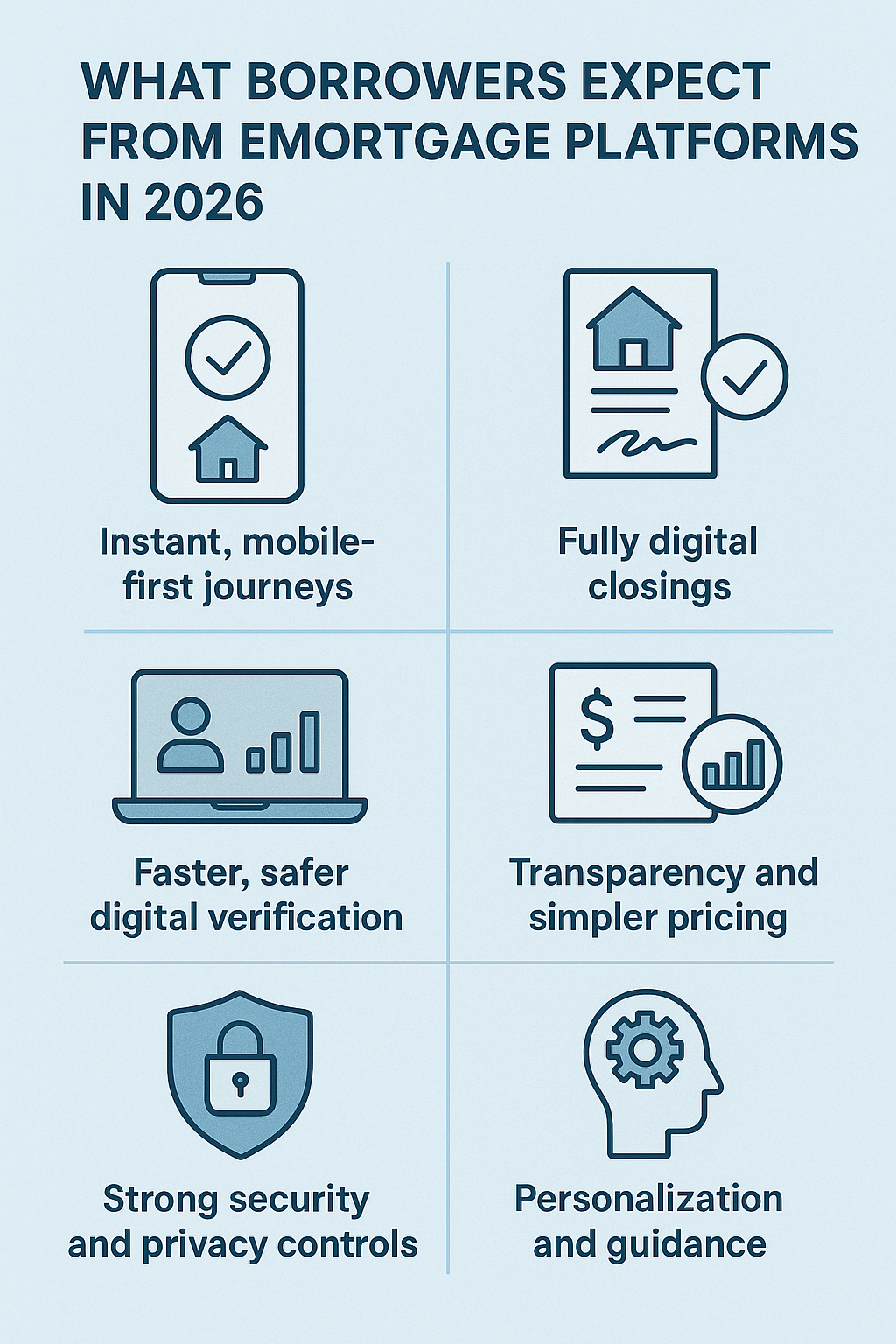
What Borrowers Expect from eMortgage Platforms in 2026
The mortgage experience is changing faster than most borrowers realize. By 2026, people applying for home loans will expect more than a paperless signature — they’ll demand speed, clarity, security, and control across the entire lifecycle of their mortgage.
Consumer Protection in Digital Mortgages: Borrower Rights Explained
As digital transformation reshapes the mortgage industry, borrowers are increasingly turning to eMortgages, remote online notarization (RON), and digital closings for faster, more convenient home financing. While these innovations streamline the lending process, they also raise important questions about consumer protection.
Cybersecurity Compliance for U.S. Mortgage Lenders
In today’s mortgage industry, where digital transactions and eMortgages are rapidly becoming the norm, cybersecurity has emerged as one of the most pressing challenges for lenders. With sensitive borrower information such as Social Security numbers, financial data, and property records at stake, ensuring compliance with cybersecurity regulations is not just a best practice—it’s a necessity.

Why Some Borrowers Still Prefer Traditional Closings
In an era where digital mortgage solutions and eClosings are rapidly transforming the home financing process, many borrowers are embracing speed, convenience, and accessibility. However, despite the undeniable advantages of technology-driven closings, a significant portion of borrowers still prefer the familiarity of traditional, in-person closings.
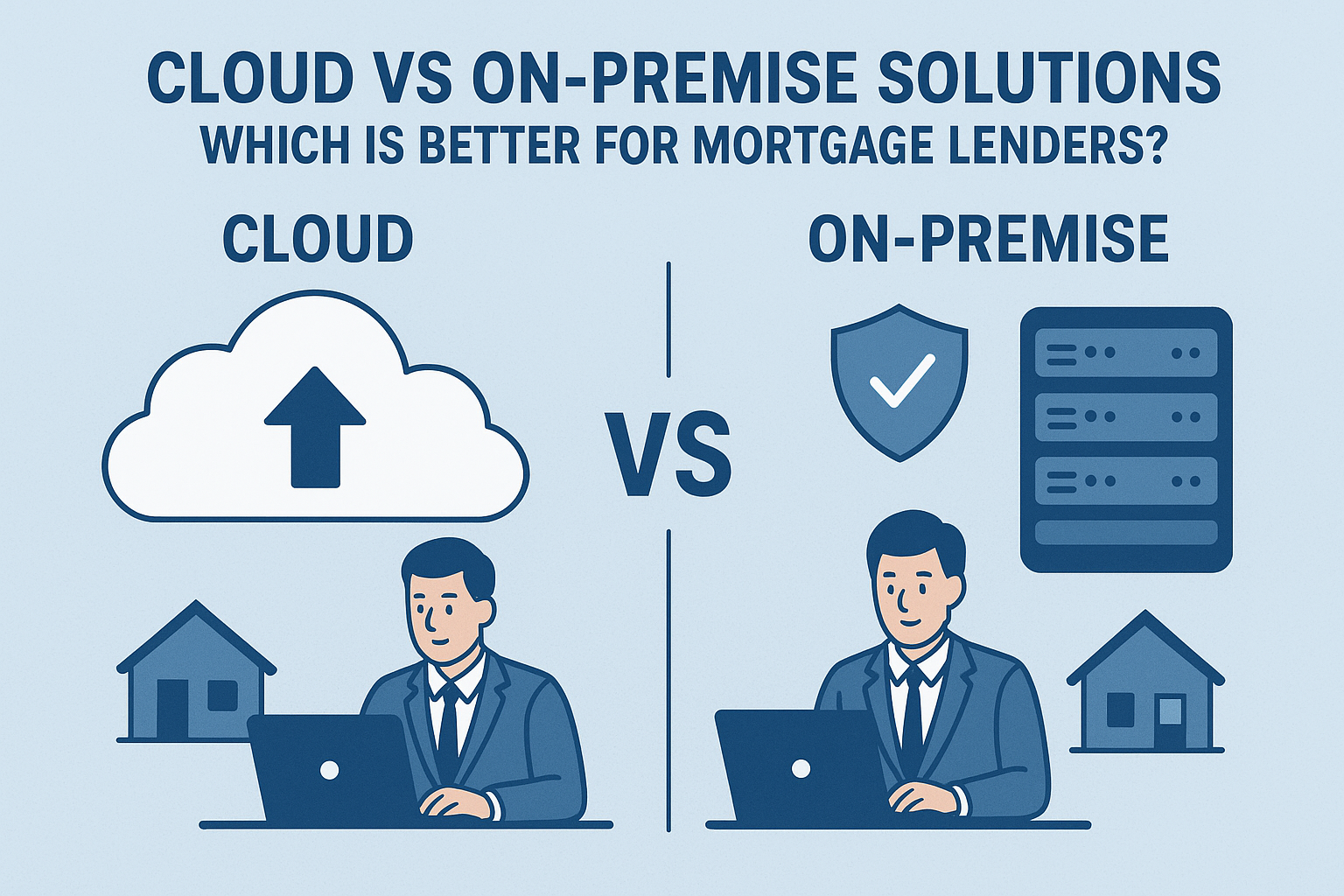
Cloud vs On-Premise Solutions: Which is Better for Mortgage Lenders?
In today’s fast-changing mortgage landscape, lenders face increasing pressure to balance efficiency, compliance, borrower expectations, and security. One of the biggest technology decisions mortgage companies must make is whether to rely on cloud-based solutions or stick with on-premise systems for their loan origination, servicing, and document management needs.
The Role of FHFA in Accelerating e-Mortgage Adoption in 2025
As we move through 2025, the Federal Housing Finance Agency (FHFA) continues to play a pivotal role in modernizing housing finance—and nowhere is this more evident than in its efforts to promote the adoption of e-Mortgages (electronic mortgages). Below, we explore FHFA’s strategic initiatives that are poised to reshape the pace and scale of digital mortgage uptake.
eNotarization Laws: Key 2025 Changes Every Lender Must Know
As the mortgage industry continues its digital transformation, eNotarization and Remote Online Notarization (RON) have become critical to modern loan closings. But with rapid adoption comes evolving regulations. In 2025, several important changes in eNotarization laws will directly impact lenders, title companies, and borrowers.
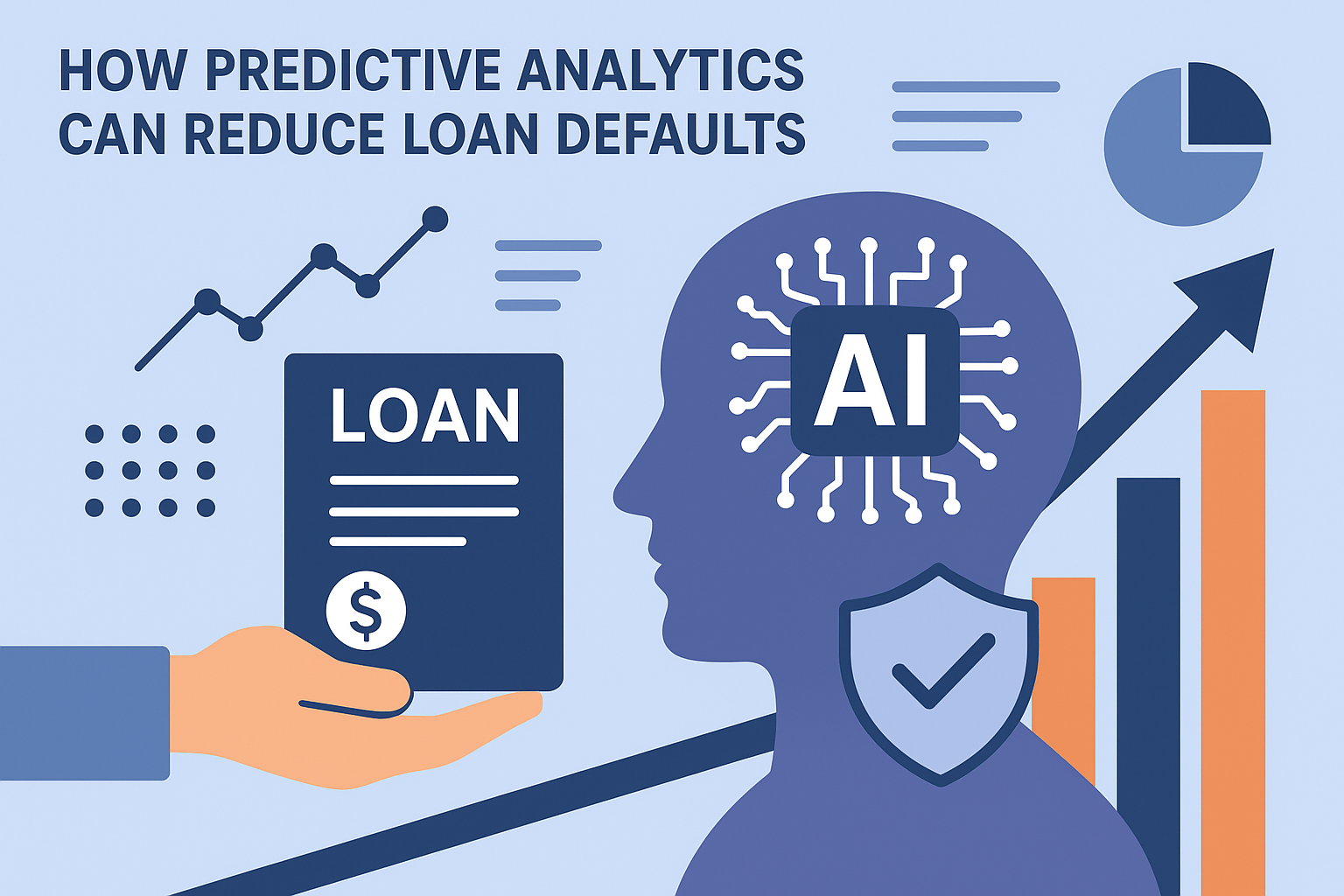
How Predictive Analytics Can Reduce Loan Defaults
In today’s data-driven mortgage landscape, lenders face the dual challenge of expanding credit access while minimizing risk. One of the most powerful tools helping financial institutions strike this balance is predictive analytics.
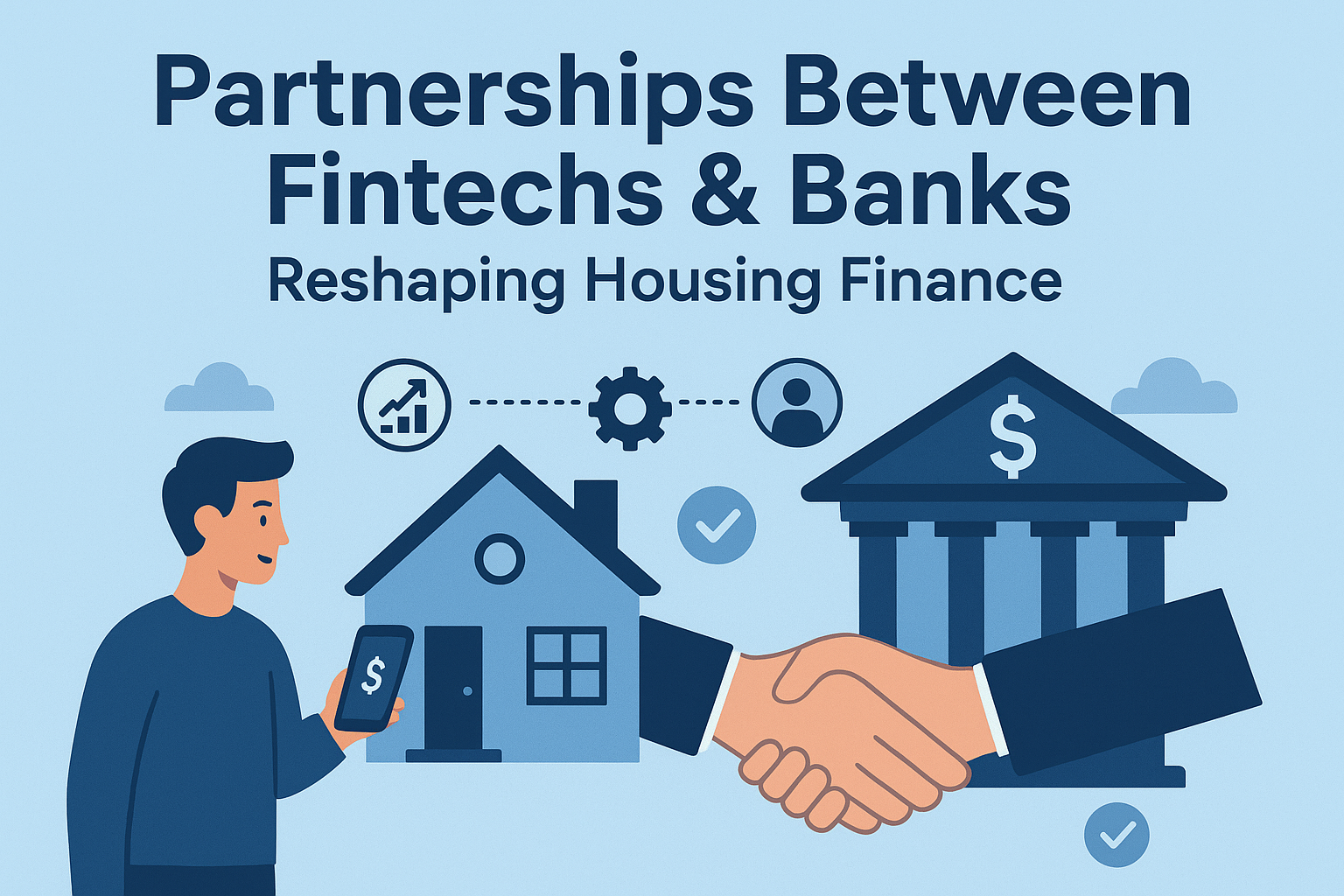
Partnerships Between Fintechs & Banks: Reshaping Housing Finance
The housing finance industry is undergoing a significant transformation, driven by technology, evolving customer expectations, and regulatory changes. At the heart of this shift lies an increasingly important trend: partnerships between fintech companies and traditional banks.

How Lenders Can Build Borrower Trust in Fully Digital Closings
The mortgage industry has rapidly evolved over the past few years, with digital closings emerging as the new standard for speed, efficiency, and convenience. Yet, despite the advantages, some borrowers remain hesitant to embrace a fully digital process.
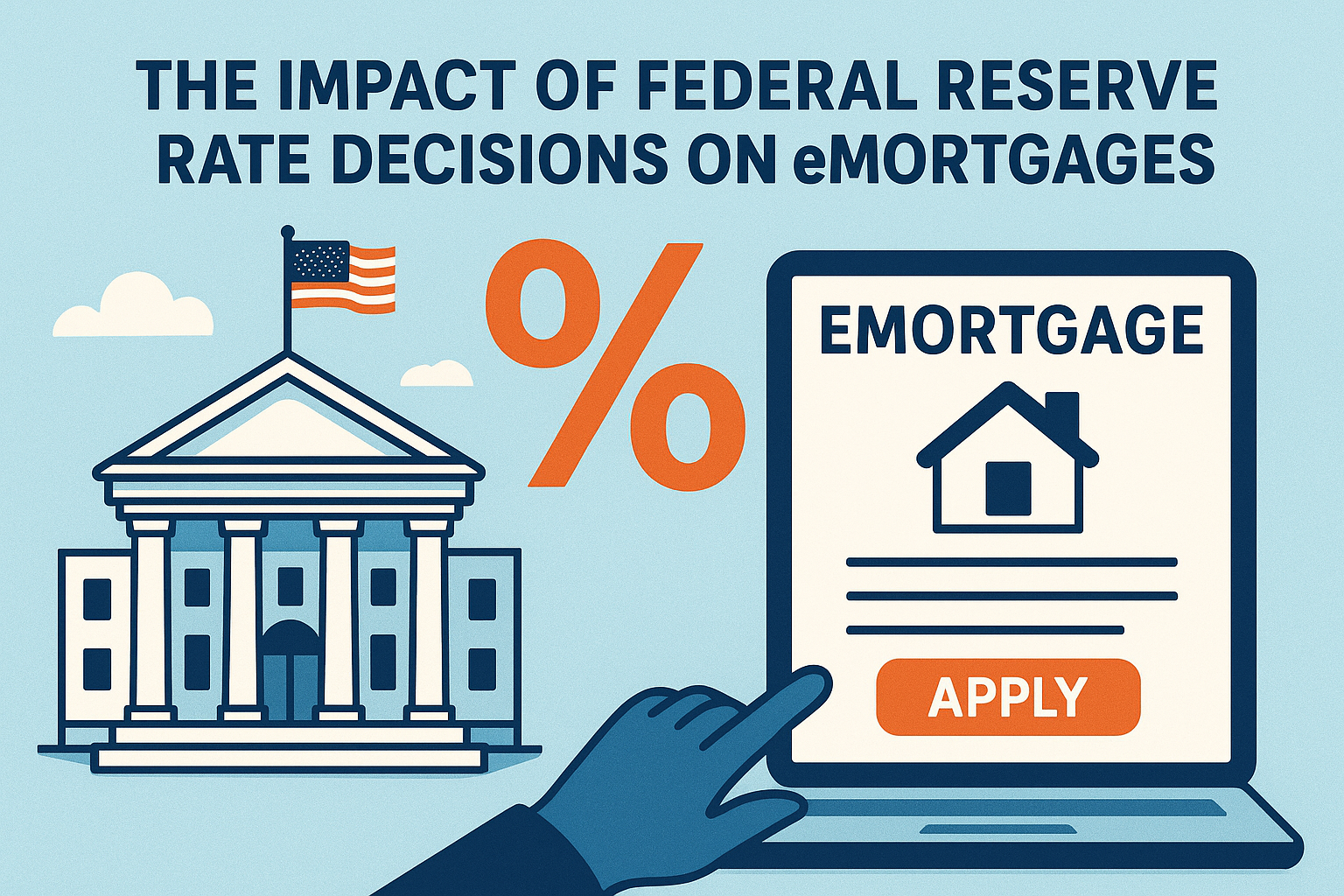
The Impact of Federal Reserve Rate Decisions on eMortgages
The Federal Reserve’s monetary policy plays a central role in shaping the U.S. housing and mortgage markets. Every time the Fed adjusts interest rates, the ripple effects are felt across traditional mortgages—and increasingly in the rapidly growing world of eMortgages.
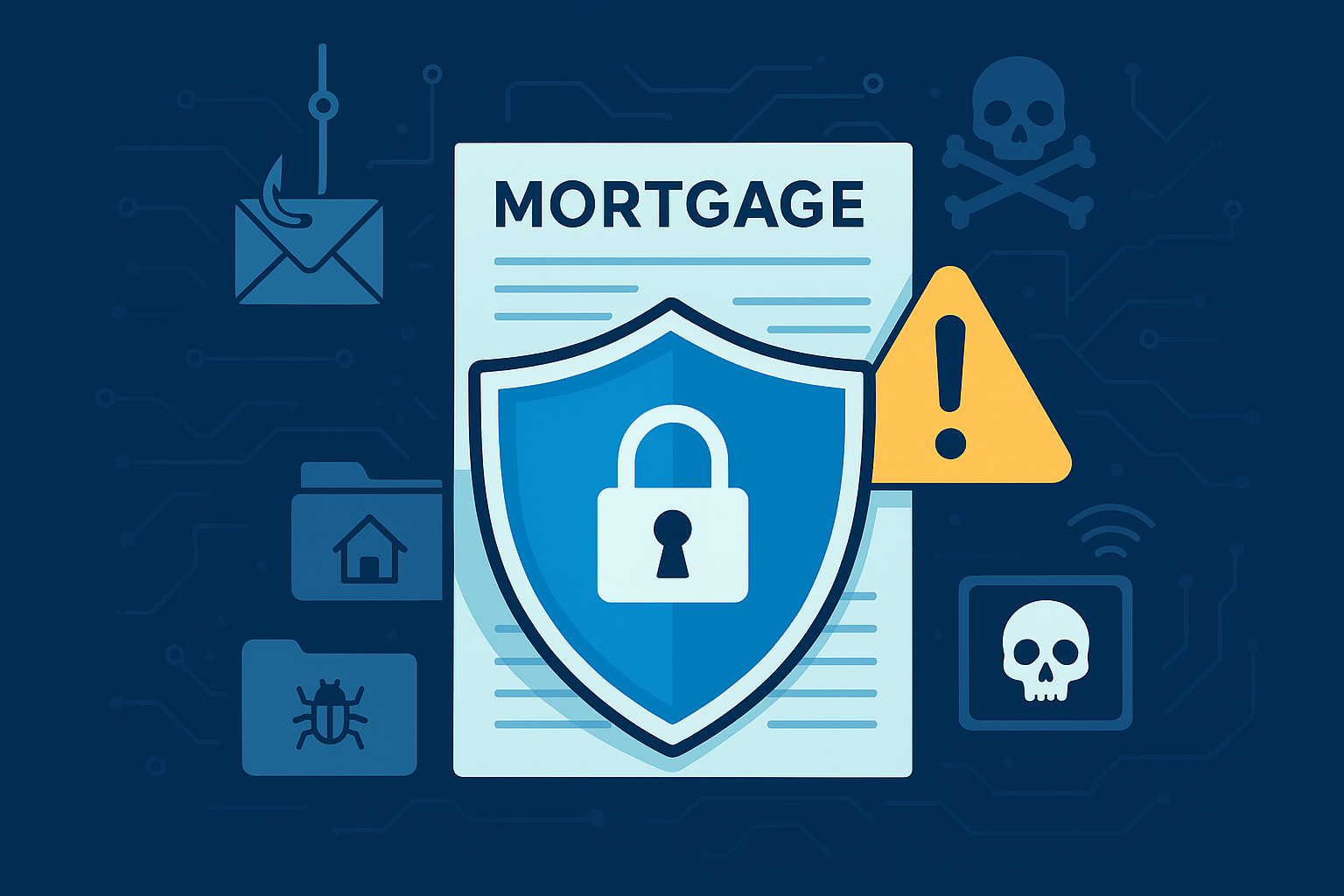
Cybersecurity Threats Lenders Must Watch Out for This Year
In today’s fast-paced digital mortgage landscape, lenders are embracing eMortgages, remote online notarization (RON), and fully digital loan processing. While these innovations make lending faster and more convenient, they also open the door to increased cybersecurity risks.
Q3 2025 eMortgage Outlook: Where Are eMortgages Headed Next?
The mortgage industry continues to evolve rapidly in 2025, with technology reshaping how loans are originated, processed, and closed. As we move through Q3 2025, eMortgages are no longer a futuristic concept—they’re becoming an essential part of the lending landscape. But where are they headed next?
FHFA’s 2025 Guidance: What It Means for eMortgage Providers
The Federal Housing Finance Agency (FHFA) kicked off 2025 with a series of policy updates that will shape the future of the mortgage industry for years to come. While these updates were not written exclusively for digital lending platforms, they carry big implications for eMortgage providers, who sit at the intersection of compliance, borrower experience, and operational efficiency.