
How AI Underwriting Is Redefining Loan Approvals
The mortgage industry is undergoing a massive transformation, and at the center of it is AI-driven underwriting—a technological leap that is reshaping how lenders evaluate borrowers, manage risk, and deliver approvals faster than ever before. As consumer expectations shift toward speed, transparency, and digital convenience, AI underwriting is becoming the new standard for modern lending.

Down Payment & Credit Score Realities: Clear Tips for Borrowers and How Your Company Can Guide Them
Buying a home can feel overwhelming—especially when borrowers don’t understand how much money they need or whether their credit score is good enough. In 2025, the best mortgage companies are the ones that make this process simple, clear, and supportive.

Marketing Your Mortgage Business in 2025: Content, Digital Channels & Borrower Education
The mortgage industry is evolving quickly, and so is the way borrowers choose their lenders. In 2025, successful mortgage marketing is no longer driven by traditional advertising alone—it’s powered by digital storytelling, transparent borrower education, and multichannel engagement.

Digital Trust: How Transparency Builds Borrower Confidence
In today’s digital mortgage ecosystem, trust has become just as important as speed. Borrowers are interacting with lenders through apps, portals, and automated workflows—often before they ever speak to a human.
The Role of Home Equity: How HELOCs, Cash-Out Refinances, and Equity Access Shape Mortgage Portfolios
Home equity has become one of the most powerful financial tools for American homeowners—and one of the most influential factors shaping mortgage portfolios today. As home values have surged over the past decade, homeowners collectively hold trillions in tappable equity, creating new opportunities and risks for lenders.

Homeownership Delays: Why So Many Potential Buyers Are Postponing Life Events Until They Can Buy
Homeownership has long been a major milestone in the American dream. But in today’s housing and economic environment, many potential buyers—especially Millennials and Gen Z—are putting major life decisions on hold until they can purchase a home. This shift is reshaping not just the housing market, but family planning, career choices, financial priorities, and long-term stability.
The Impact of Inventory & New Home Starts on Mortgage Demand
Mortgage demand doesn’t move on interest rates alone—inventory levels and new home construction play an equally powerful role. When the supply of homes shifts, the entire mortgage ecosystem reacts, from lenders and builders to buyers and investors.
Cloud-Based eVaults: The Future of Secure Document Management
As the mortgage industry accelerates toward full digital transformation, one technology has become absolutely indispensable: the cloud-based eVault. Lenders, investors, servicers, and custodians are all turning to digital vaults to manage electronic promissory notes (eNotes) and critical mortgage documents with higher security, faster transferability, and full compliance.
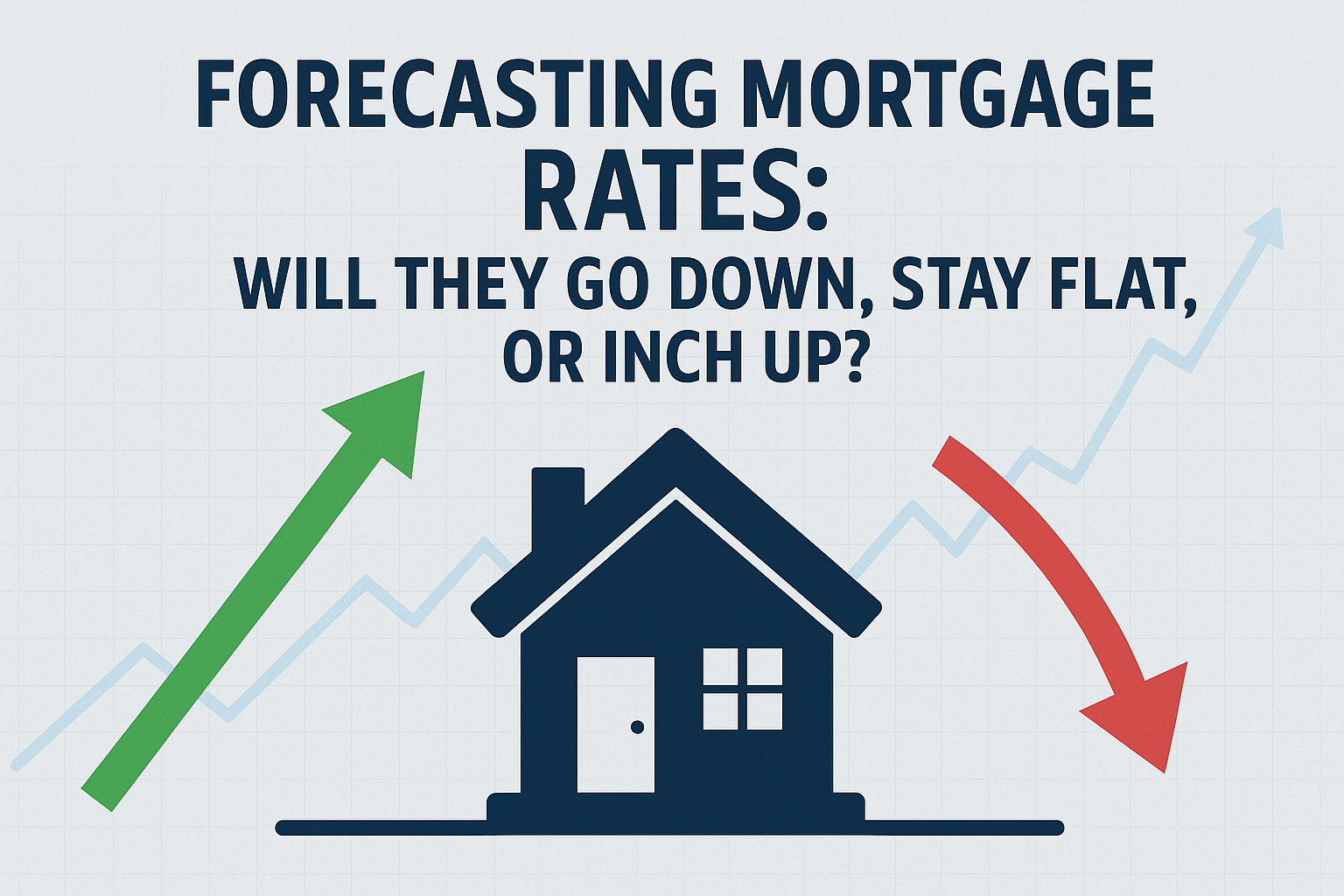
Forecasting Mortgage Rates: Will They Go Down, Stay Flat, or Inch Up?
As we move deeper into the mid-2020s, the mortgage market continues to navigate a complex economic environment marked by inflation, central bank policy shifts, and fluctuating demand in the housing sector.
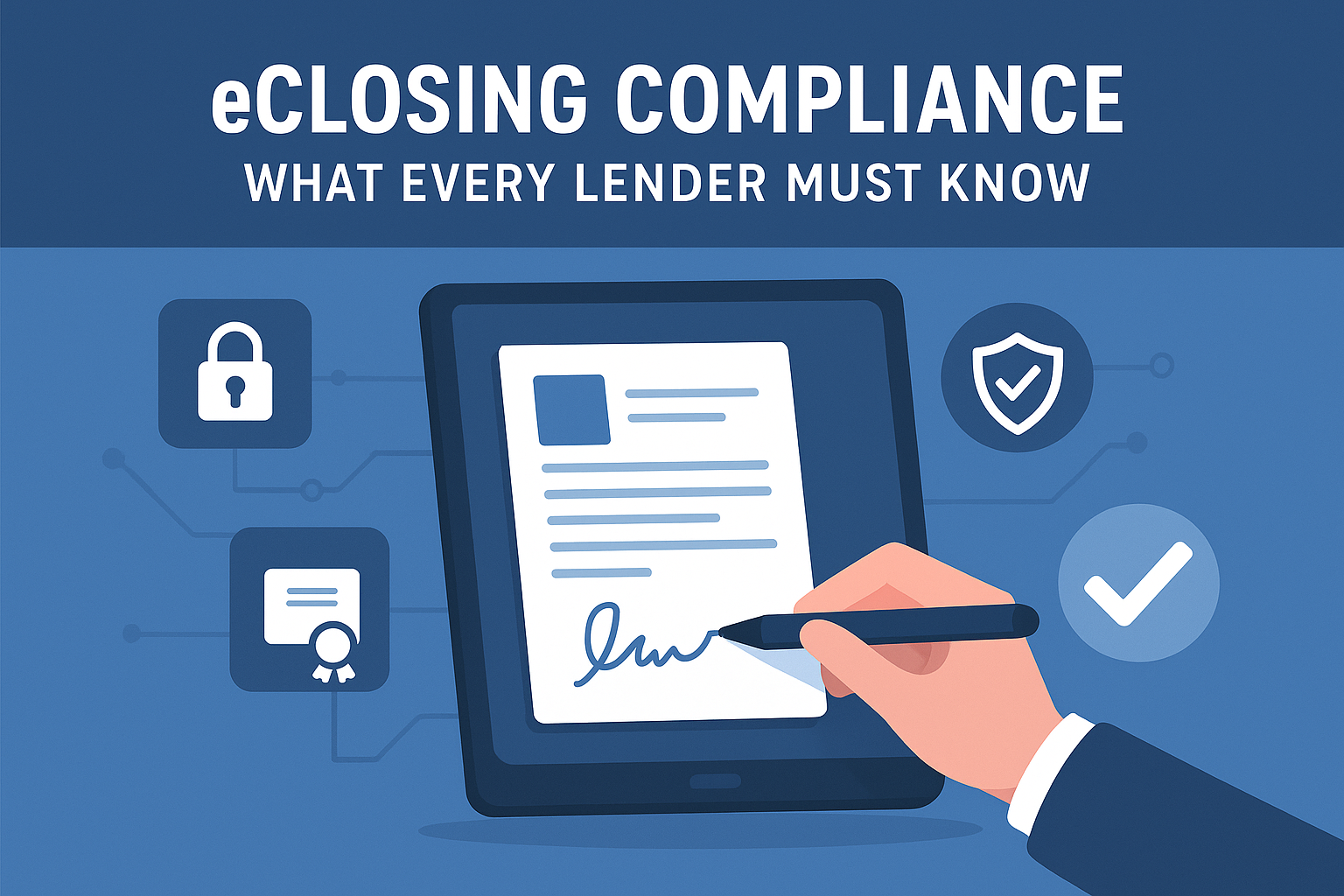
eClosing Compliance: What Every Lender Must Know
As the mortgage industry continues to embrace digital transformation, electronic closings (eClosings) have become a vital component of the lending process. They streamline workflows, enhance borrower convenience, and reduce operational costs. However, this shift also introduces new compliance obligations that lenders must fully understand and manage effectively.
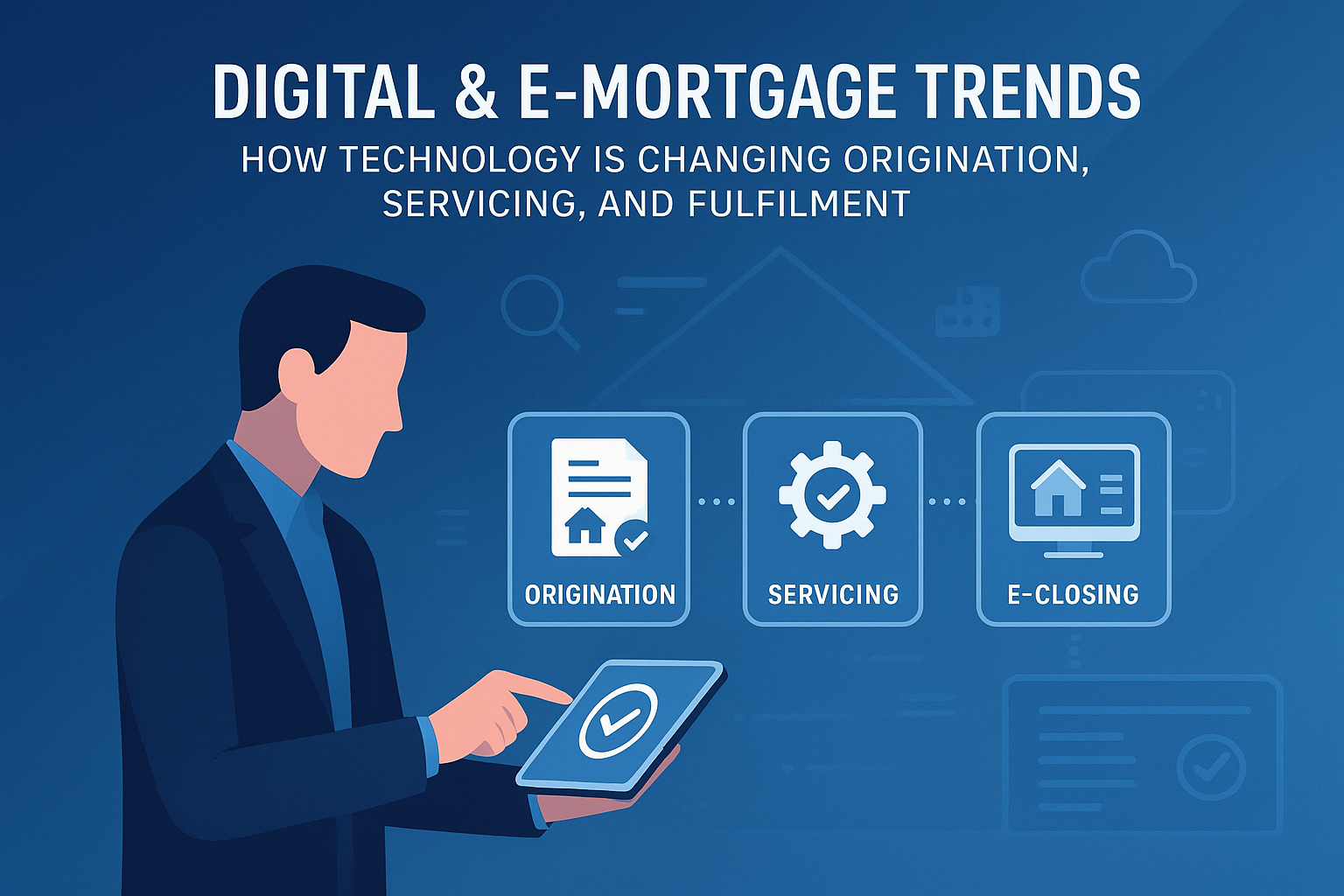
Digital & e-Mortgage Trends: How Technology Is Changing Origination, Servicing, and Fulfilment
The mortgage industry is undergoing a digital revolution. From loan origination to servicing and fulfilment, technology is reshaping how lenders operate and how borrowers experience the mortgage process. The shift toward e-mortgages—supported by automation, AI, and data analytics—is driving efficiency, transparency, and customer satisfaction like never before.
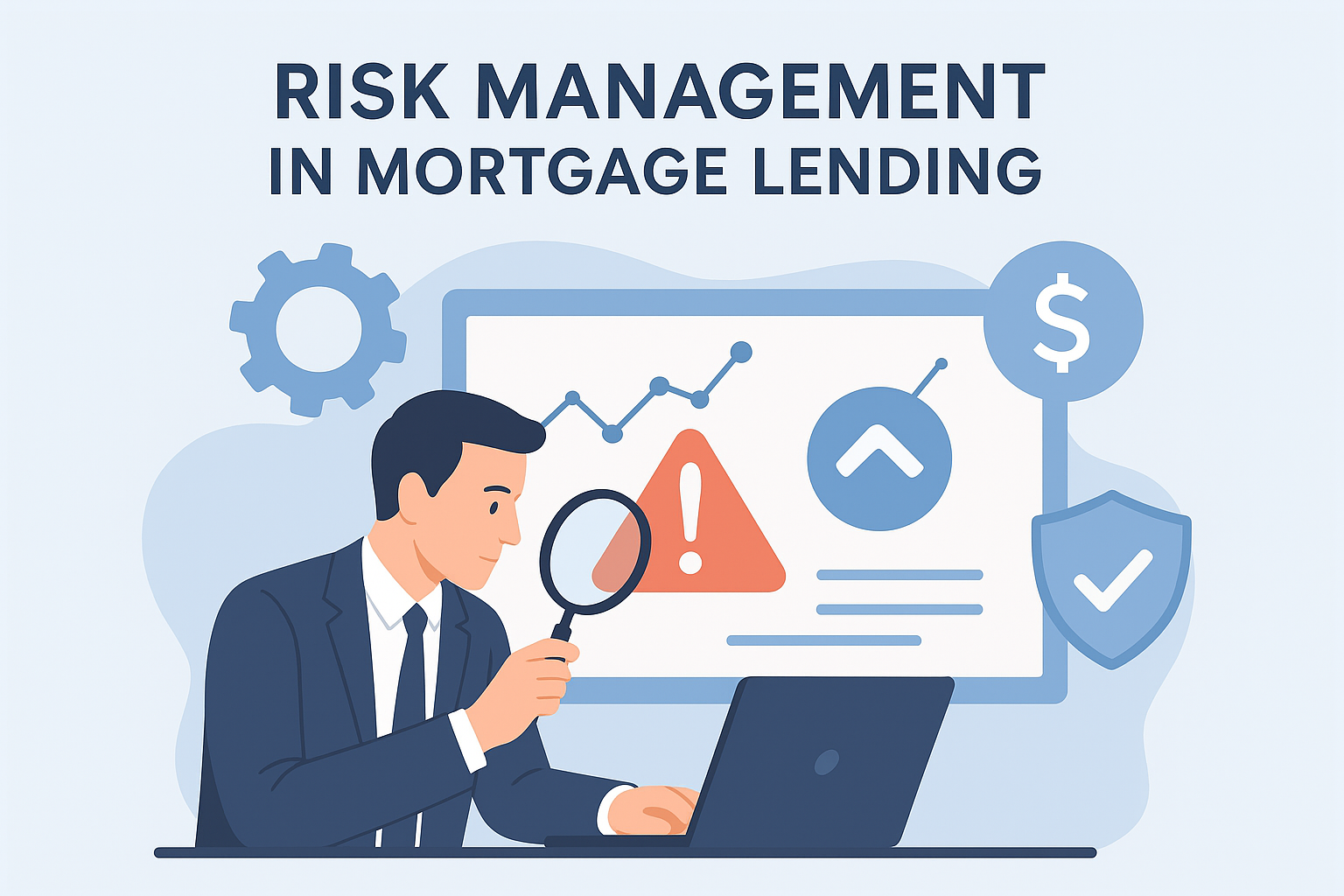
Risk Management in Mortgage Lending: Identifying Emerging Risks
The mortgage industry is evolving rapidly — shaped by economic shifts, technological advancements, and new regulatory frameworks. As lenders strive to balance profitability with stability, effective risk management has become more critical than ever.

How System-Wide Risks Like Climate Disasters Are Becoming Mortgage Underwriting Issues
The traditional mortgage underwriting process assumes that property values remain stable, insurance stays affordable, and borrowers can repay loans under predictable conditions. However, as climate change accelerates, those assumptions are being challenged.
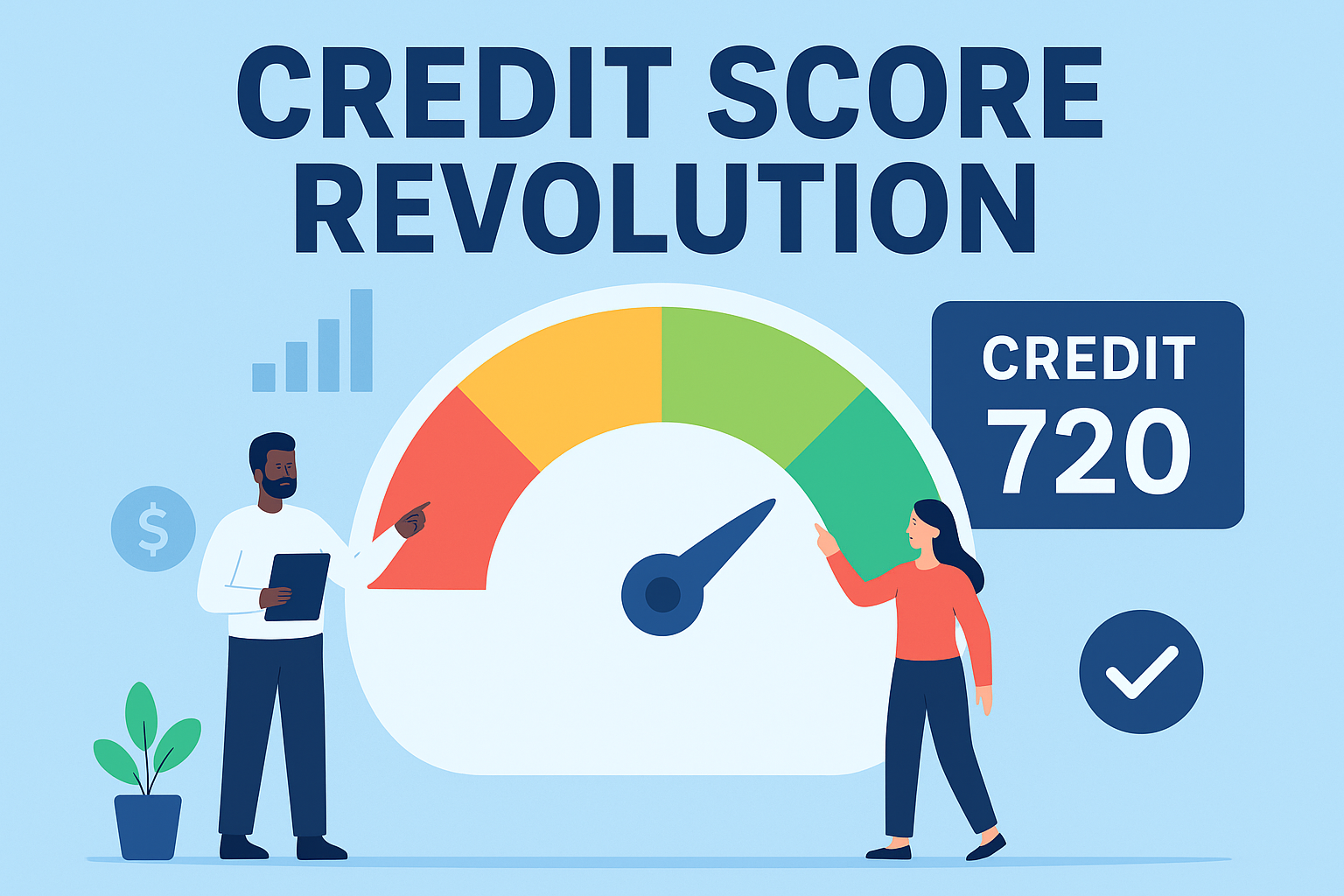
Credit Score Revolution: How Alternative Data Is Opening Doors for More Borrowers
For decades, traditional credit scores have acted as the gatekeepers of mortgage eligibility. Yet millions of Americans — especially younger borrowers, recent immigrants, and gig workers — find themselves excluded from homeownership because they lack a long credit history.
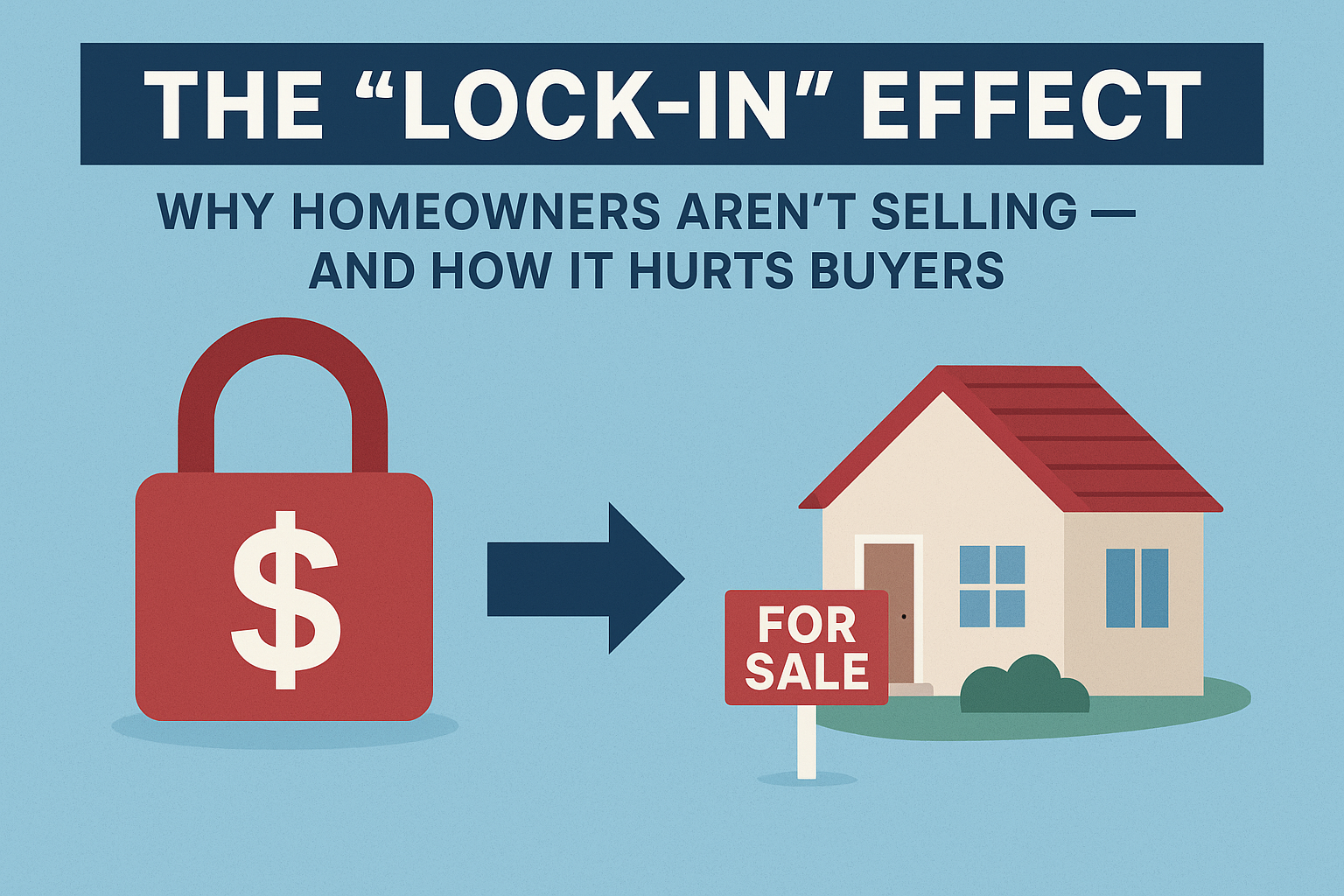
The “Lock-In” Effect: Why Homeowners Aren’t Selling — and How It Hurts Buyers
The U.S. housing market continues to face one of its most stubborn challenges — a shortage of homes for sale. While demand remains strong, supply has tightened dramatically. The key reason? The “lock-in” effect, a growing trend where homeowners are reluctant to sell because they’re locked into ultra-low mortgage rates secured during the pandemic years.
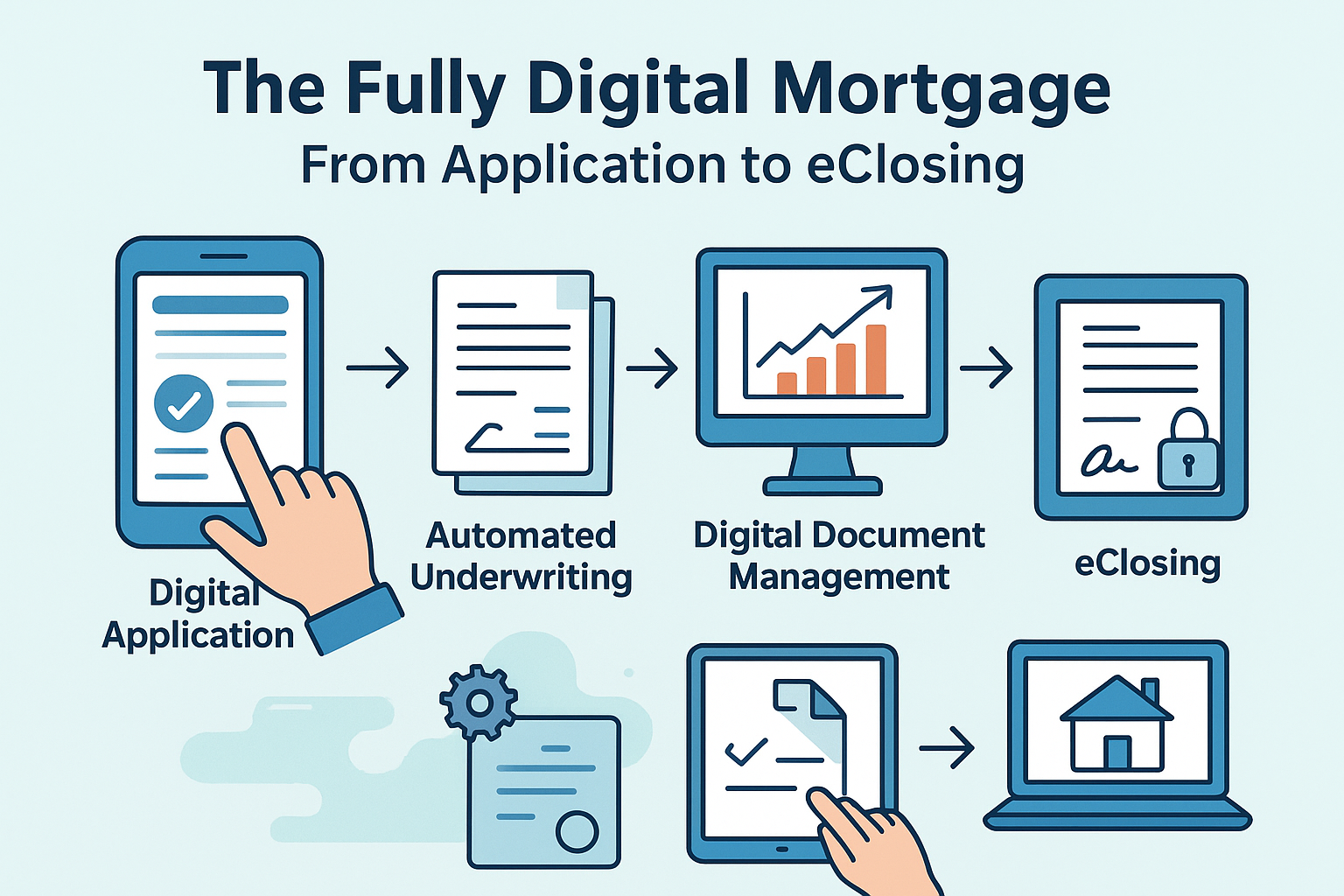
The Fully Digital Mortgage: From Application to eClosing
In today’s fast-moving digital world, borrowers expect the same level of speed, convenience, and transparency from mortgage lenders that they get from online shopping or banking. This shift in expectations has given rise to the fully digital mortgage — an end-to-end process that replaces paper-heavy workflows with seamless technology from application to eClosing.
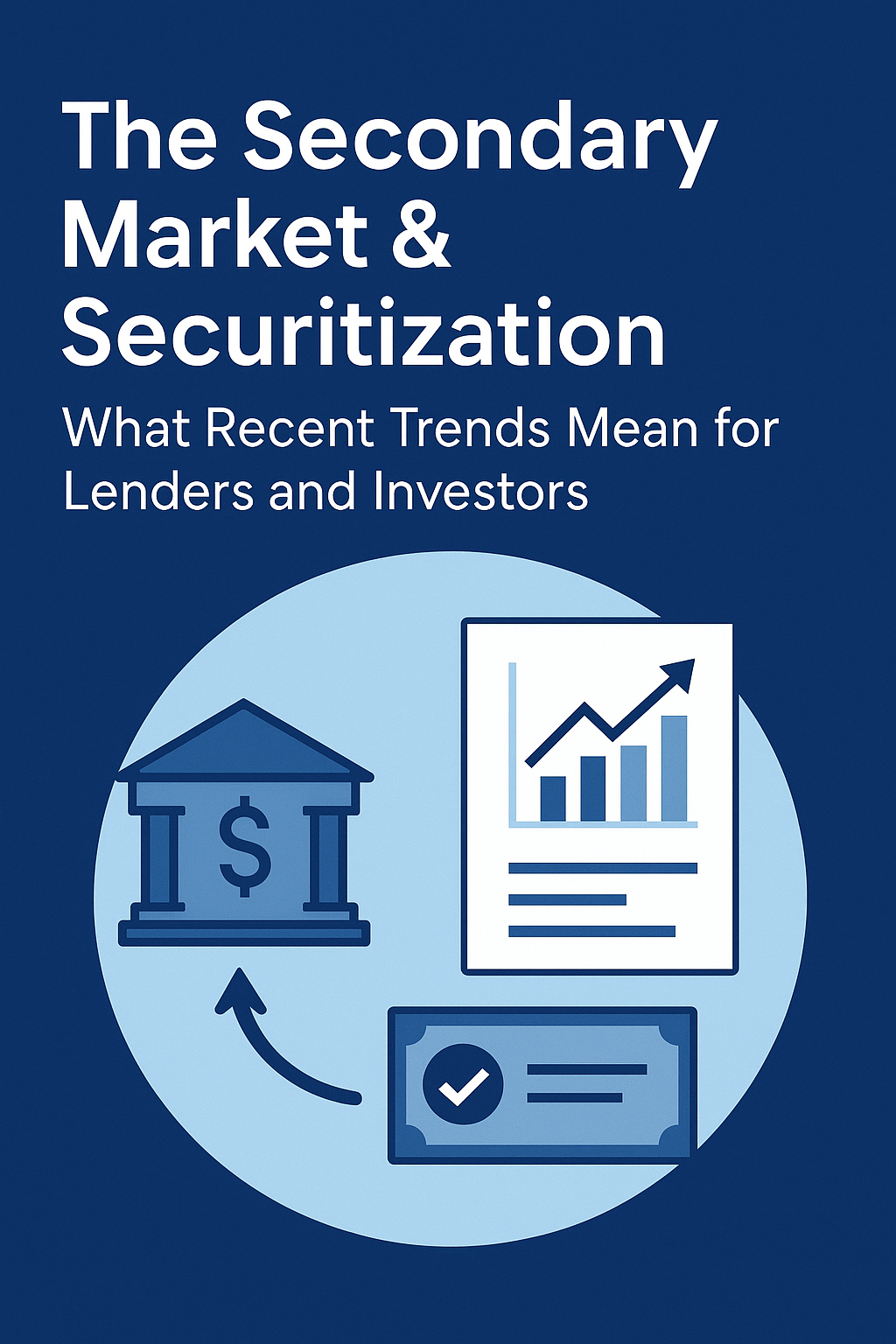
The Secondary Market & Securitization: What Recent Trends Mean for Lenders and Investors
The mortgage and lending landscape is evolving faster than ever. One of the biggest shifts is happening behind the scenes — in the secondary market and securitization space. These financial mechanisms are changing how lenders manage capital and how investors find new opportunities for returns.
The Future of Mortgages: Predictions for 2026-27 — What Your Company Should Prepare For Now
The mortgage market is entering a period of transformation. With global macro-economics shifting, technological advances accelerating, regulatory frameworks evolving and consumer expectations changing rapidly, companies in the mortgage space (including banks, fintechs, brokers, servicers) must be proactive. What you prepare now for 2026-27 may determine whether you lead the pack or fall behind.

Empowering First-Time Buyers with Digital Education Tools
Buying a home for the first time can be an exciting yet overwhelming experience. From understanding mortgage options to navigating closing costs, first-time buyers often face a steep learning curve. Fortunately, digital education tools are transforming how these borrowers prepare for homeownership, giving them the knowledge and confidence they need to make smarter financial decisions.
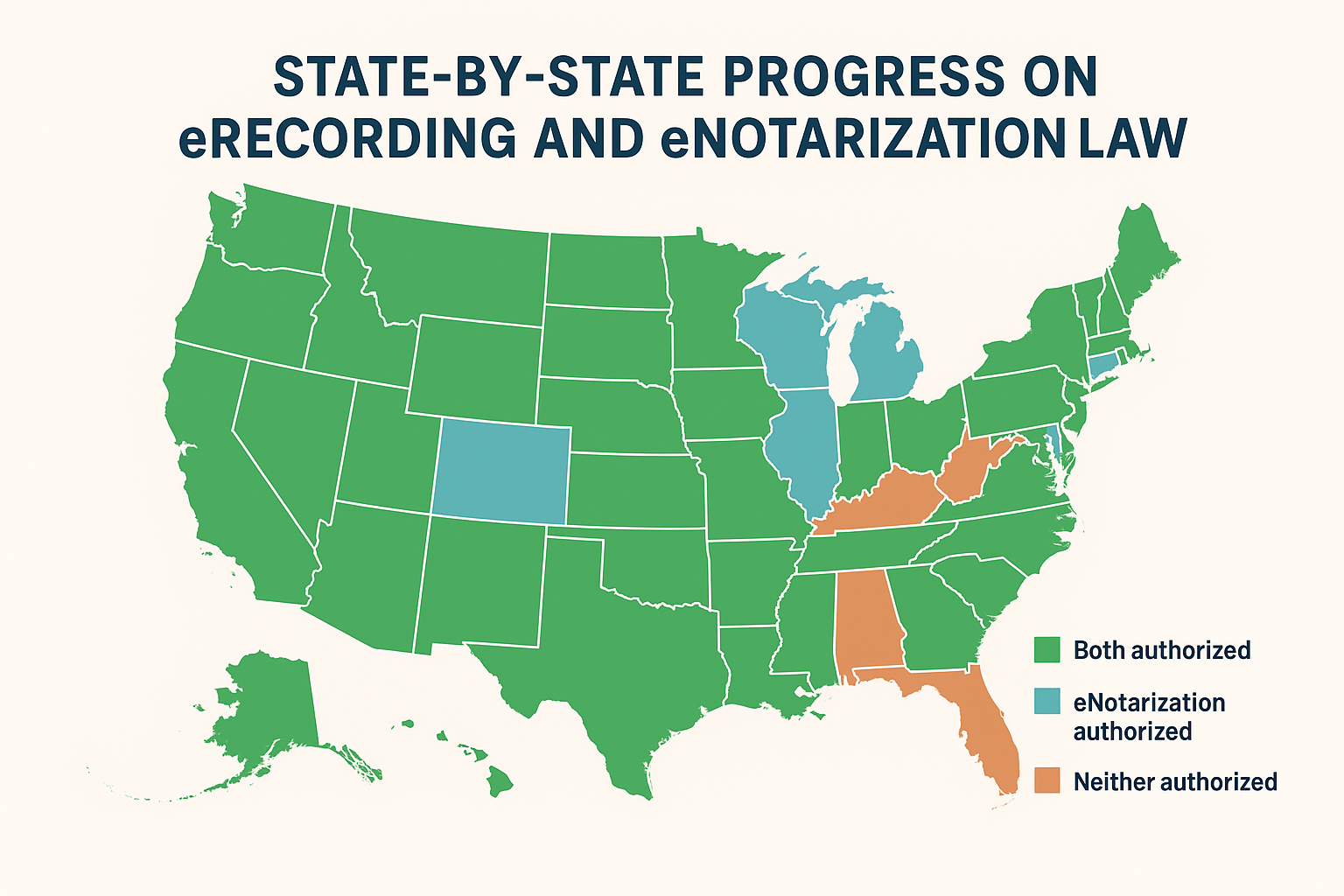
State-by-State Progress on eRecording and eNotarization Laws
The mortgage industry is rapidly transforming, with digital processes replacing traditional paperwork at every stage. Two of the most critical innovations enabling fully digital closings are eRecording and eNotarization. Together, these technologies make it possible to complete mortgage transactions electronically—from signing to recording—without ever printing a page.