
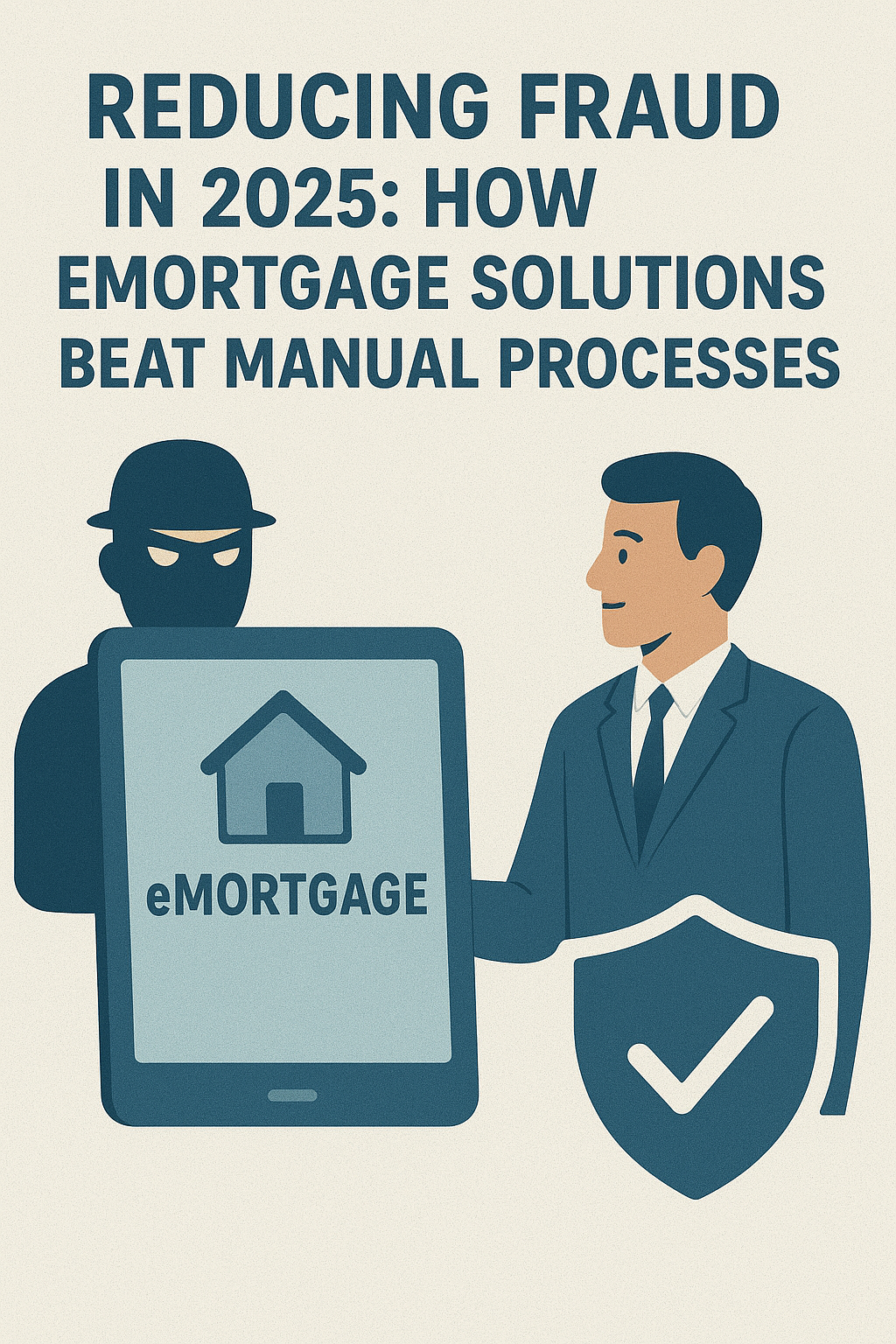
Reducing Fraud in 2025: How eMortgage Solutions Beat Manual Processes
Mortgage fraud continues to evolve—and as we move through 2025, lenders are facing more sophisticated schemes driven by synthetic identities, deepfake documents, and cross-platform fraud rings. Traditional, paper-heavy processes can no longer keep up. The new defensive perimeter is digital: automated eMortgage workflows, tamper-proof data, and real-time verification systems.
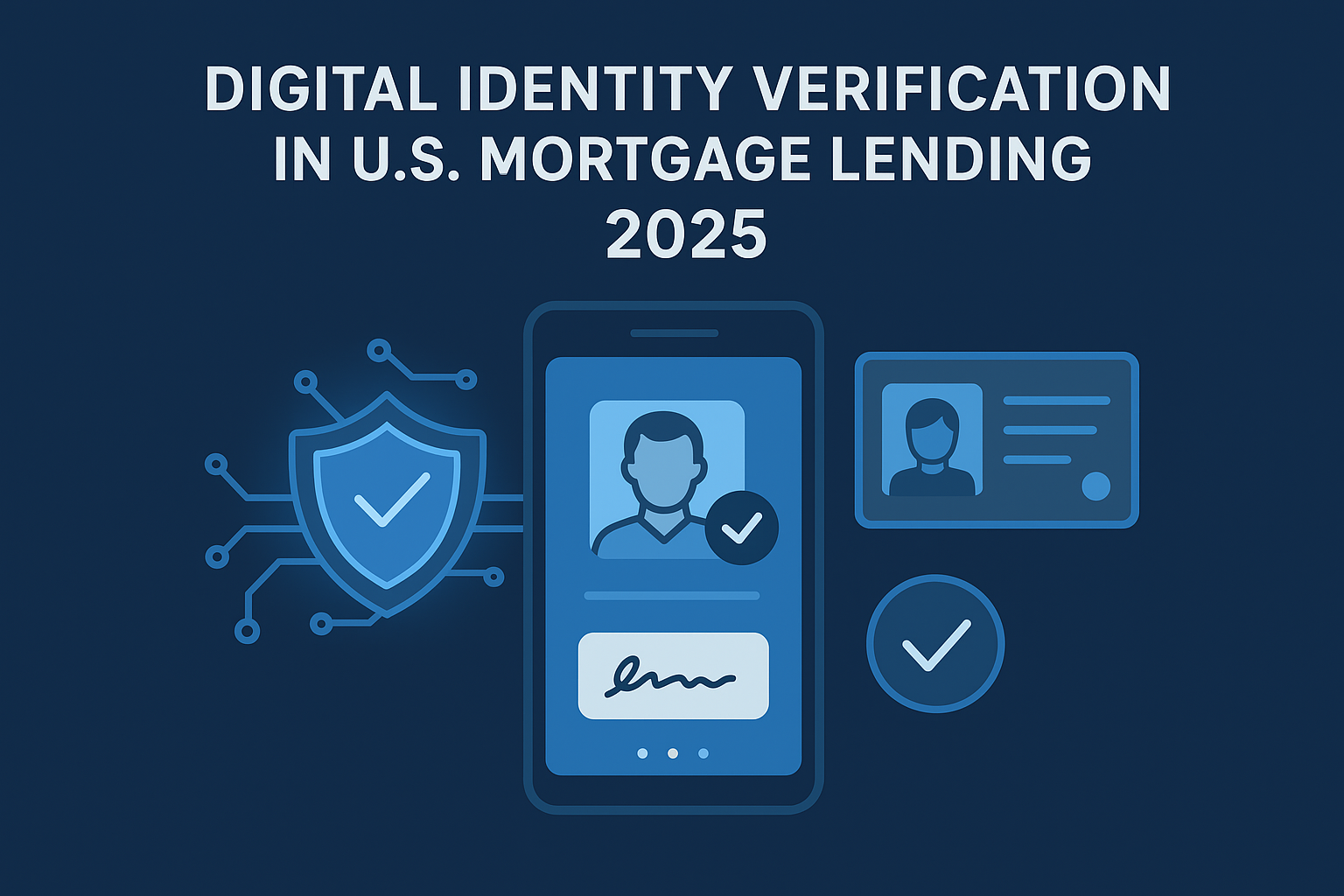
Digital Identity Verification in U.S. Mortgage Lending: Why It Matters in 2025
Digital identity verification has become one of the most important technologies shaping U.S. mortgage lending in 2025. With more borrowers applying online than ever before, lenders must balance speed, compliance, and security—all while protecting consumers from rising fraud risks.
The State of eMortgages in the U.S. Housing Market: 2025 Outlook
In 2025, the U.S. mortgage industry is moving faster toward full digitization than ever before. What began as optional digital tools—like eClosings, eNotes, and remote online notarization (RON)—has now become the standard expectation for lenders, borrowers, investors, and regulators.
eNotes & eVaults: The New Standard for Secondary-Market Liquidity
The U.S. mortgage industry is undergoing a major digital shift, especially in the way lenders manage, store, and deliver loan collateral. In 2025, eNotes and eVaults have become essential tools—not just for supporting eClosings, but for unlocking faster secondary-market delivery, stronger liquidity, lower costs, and reduced risk.
Why eClosing Is Now a Competitive Advantage — Not an Optional Feature
The U.S. mortgage industry has entered a phase where digital efficiency, borrower convenience, and operational cost reduction are no longer optional—they are essential. Among all the innovations reshaping mortgage lending, eClosing has become one of the most important differentiators for lenders.
How U.S. Servicers Are Leveraging Automation to Reduce Delinquencies
As mortgage delinquencies continue to fluctuate with market conditions, U.S. mortgage servicers are under pressure to manage risk more efficiently while delivering better borrower experiences. Manual processes—like outbound calling, document review, and monitoring payment behavior—are too slow and expensive.
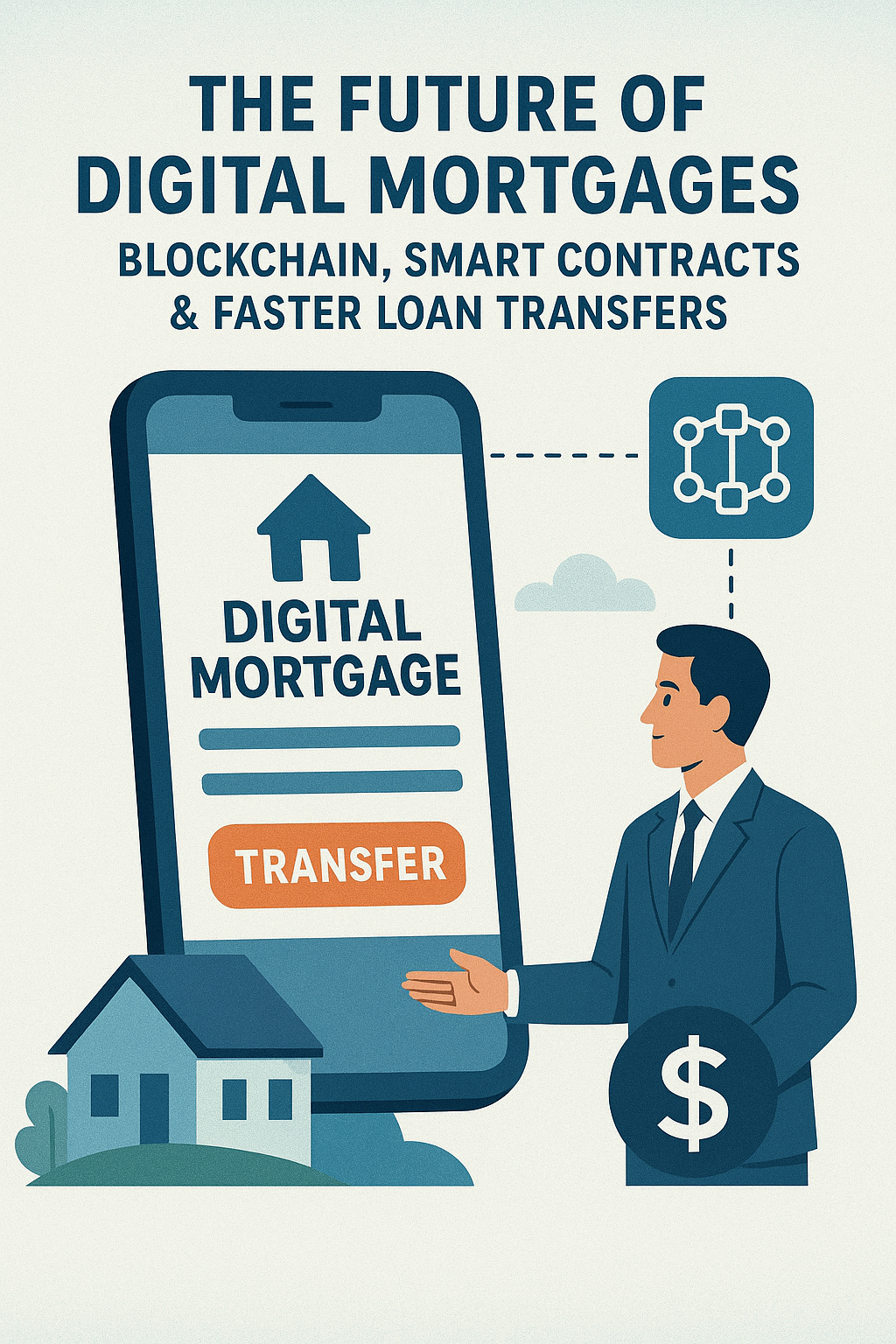
The Future of Digital Mortgages: Blockchain, Smart Contracts & Faster Loan Transfers
The mortgage industry is moving toward a fully digital future. Today we already use eNotes, eVaults, and digital closing tools, but the next big step is adding blockchain and smart contracts. These technologies can make mortgage transfers faster, safer, and more reliable — especially in the secondary market, where loans move between lenders, warehouse banks, investors, and servicers.
End-to-End Digital Mortgages: The Competitive Edge Legacy Lenders Can’t Ignore in 2025
In a mortgage market still shaped by legacy systems, manual workflows, and fragmented processes, U.S. lenders are facing a defining moment. Borrowers—especially younger buyers—now expect the same smooth digital experience they already enjoy in banking, insurance, and retail. Yet most mortgage processes still rely on slow, paper-heavy steps that frustrate borrowers and inflate lender costs.
Market & Tech Trends 2025–2026: Why Investors Are Betting Big on Digital Mortgage Platforms
The mortgage industry is entering a new digital era. After years of slow progress, regulatory approvals, maturing eMortgage infrastructure, and major advances in automation and AI have pushed the market into a rapid transformation cycle.
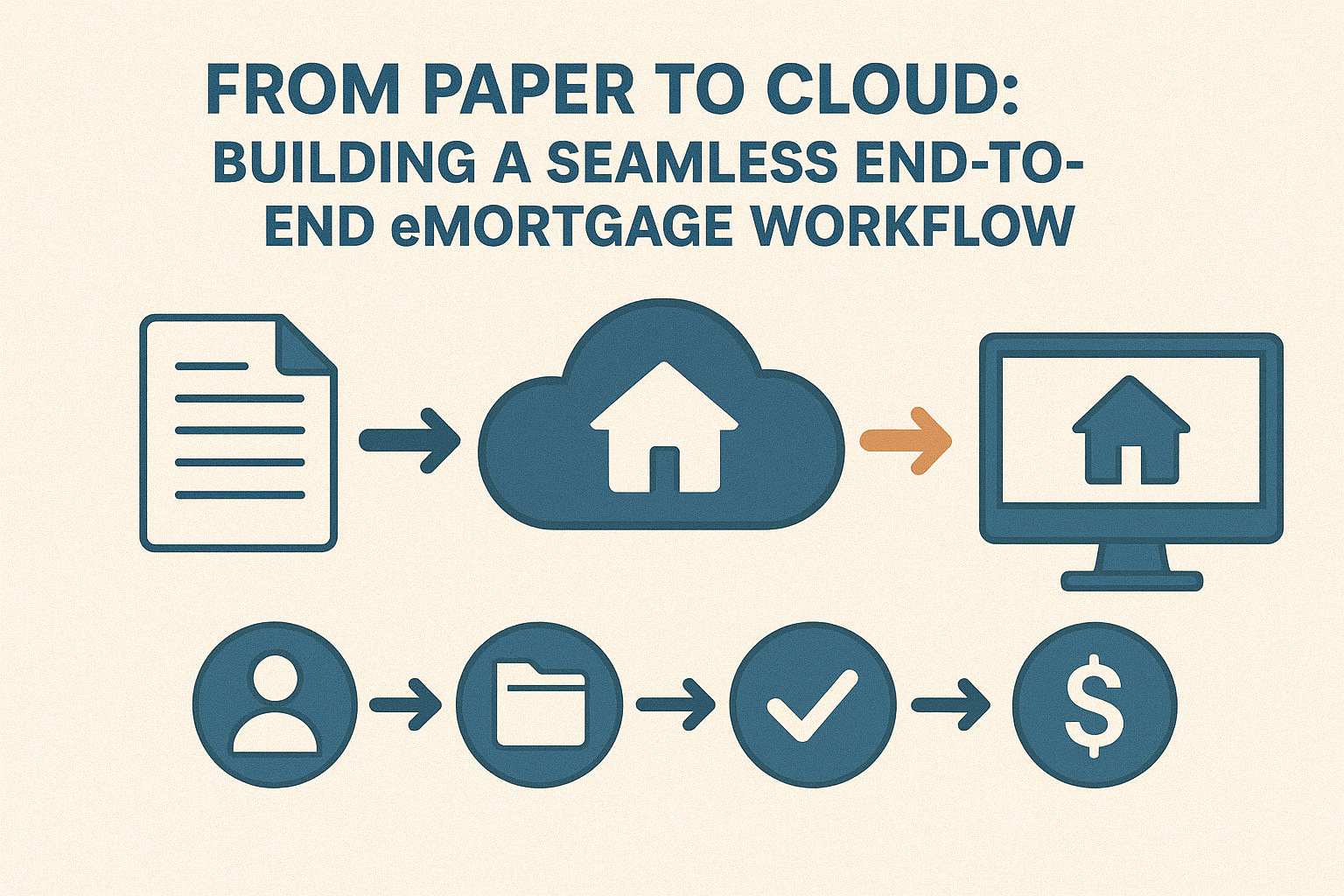
From Paper to Cloud: Building a Seamless End-to-End eMortgage Workflow
The mortgage industry is finally shifting from traditional, paper-heavy processes to fast, secure, and fully digital workflows. Borrowers want speed. Lenders need efficiency. Investors and regulators demand accuracy and transparency.
How eMortgage Companies Can Position Themselves to Benefit & Lead in 2025–2026
The mortgage industry is undergoing rapid digital transformation. From eClosings to eNotes, AI-driven underwriting, and automated servicing, the shift toward digital mortgages is accelerating.
Regulatory, Compliance & Infrastructure Challenges for eMortgage Adoption
eMortgages are becoming a major part of the U.S. mortgage ecosystem. Lenders, GSEs, investors, and regulators all agree that digital mortgages reduce cost, increase speed, and improve borrower experience.
Role of AI, Automation & Advanced Data in Transforming Mortgage Origination & Servicing
The mortgage industry is undergoing one of the biggest technology shifts in its history. What used to be a slow, paperwork-heavy, and highly manual process is now being transformed by AI, automation, and advanced data analytics. These tools are helping lenders reduce costs, speed up loan approvals, cut down on fraud, and deliver a smoother borrower experience.
The Growing Push Toward Fully Digital Mortgages
The mortgage industry is undergoing one of its biggest transformations ever. What started as small steps toward eSignatures and online applications has now become a full-scale push toward 100% digital mortgages — from application to closing to servicing.
Expanding eMortgage Beyond Traditional Borrowers & Loan Types
For years, the mortgage industry focused mainly on one type of customer: the standard W-2 borrower buying a primary home with a conventional loan. But the market has changed. Borrowers today come from different income backgrounds, work structures, and investment goals.
Market Dynamics, Opportunity & Competitive Landscape for eMortgage Platforms in 2025–2026
The mortgage industry is finally entering a phase where digital workflows are no longer optional — they’re becoming the standard. As lenders look for ways to reduce costs, improve borrower experience, and speed up loan delivery, eMortgage platforms are seeing rapid growth, especially in the 2025–2026 period.
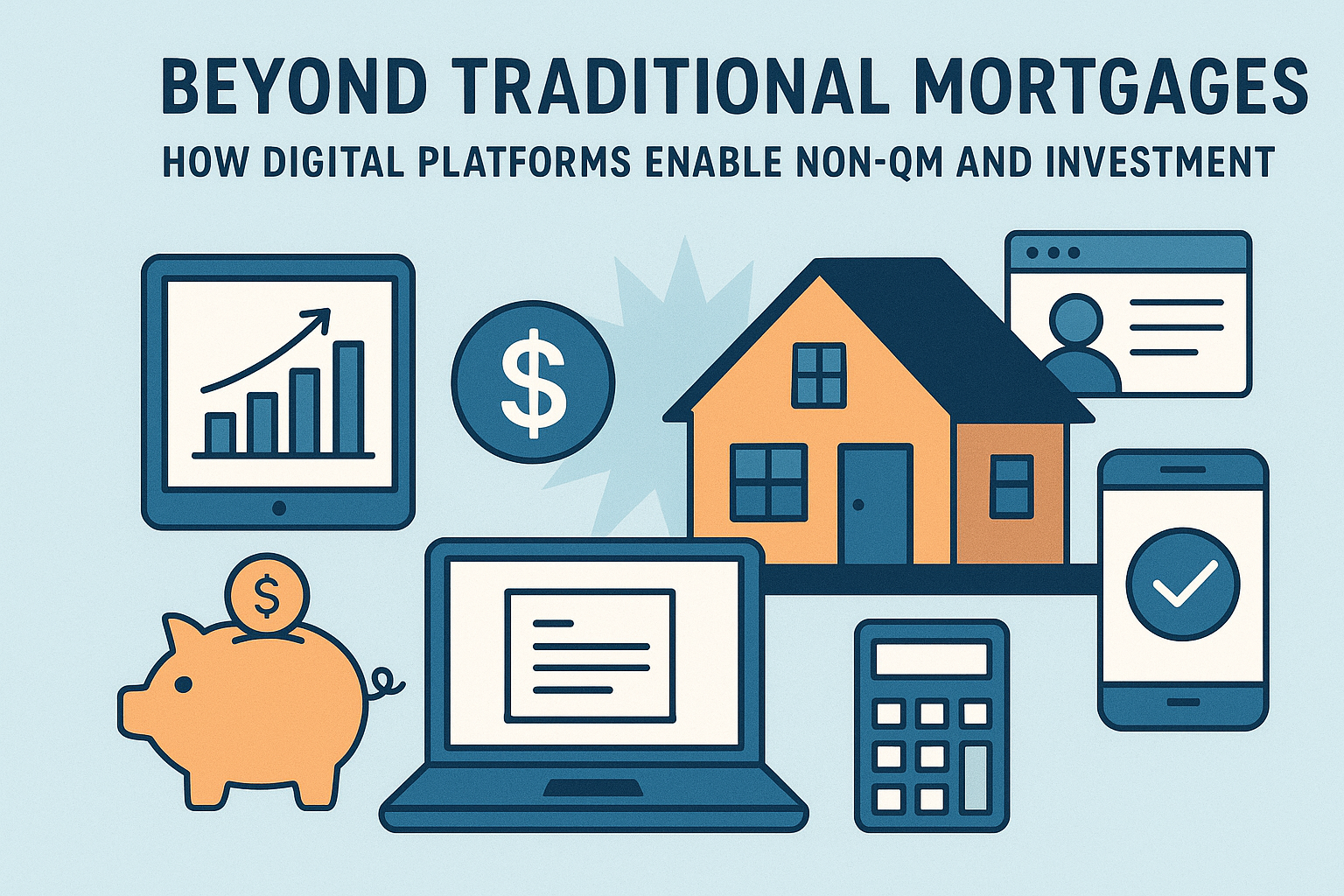
Beyond Traditional Mortgages: How Digital Platforms Enable Non-QM and Investment Loans
As traditional agency underwriting tightens, digital mortgage platforms are unlocking a fast-growing market: non-QM and investor loans. This article explains how those platforms work, why lenders and investors are moving into non-QM, the tech that makes it possible, and what originators and investors should watch next.
Cost-to-Close Reduction: What Technology Actually Moves the Needle
The cost to originate a mortgage has climbed steadily over the past decade, with many lenders spending over $11,000 per loan in 2024–2025. Margins remain thin, volumes remain unpredictable, and lenders are under more pressure than ever to reduce cost-to-close without compromising compliance or borrower experience.
How Gen Z Is Influencing Mortgage Tech Innovation
Gen Z—those born between 1997 and 2012—are officially entering the housing market. While their share of homebuyers is still smaller than Millennials, their influence on mortgage technology is massive. This is the first generation that grew up fully digital, fully mobile, and fully comfortable with instant online experiences.
The 2025 Refinance Wave: Who’s Refinancing and Why
After several years of sluggish refinance activity, 2025 is shaping up to be a turning point. As interest rates stabilize and home equity reaches record highs, millions of homeowners are once again considering a refinance.