
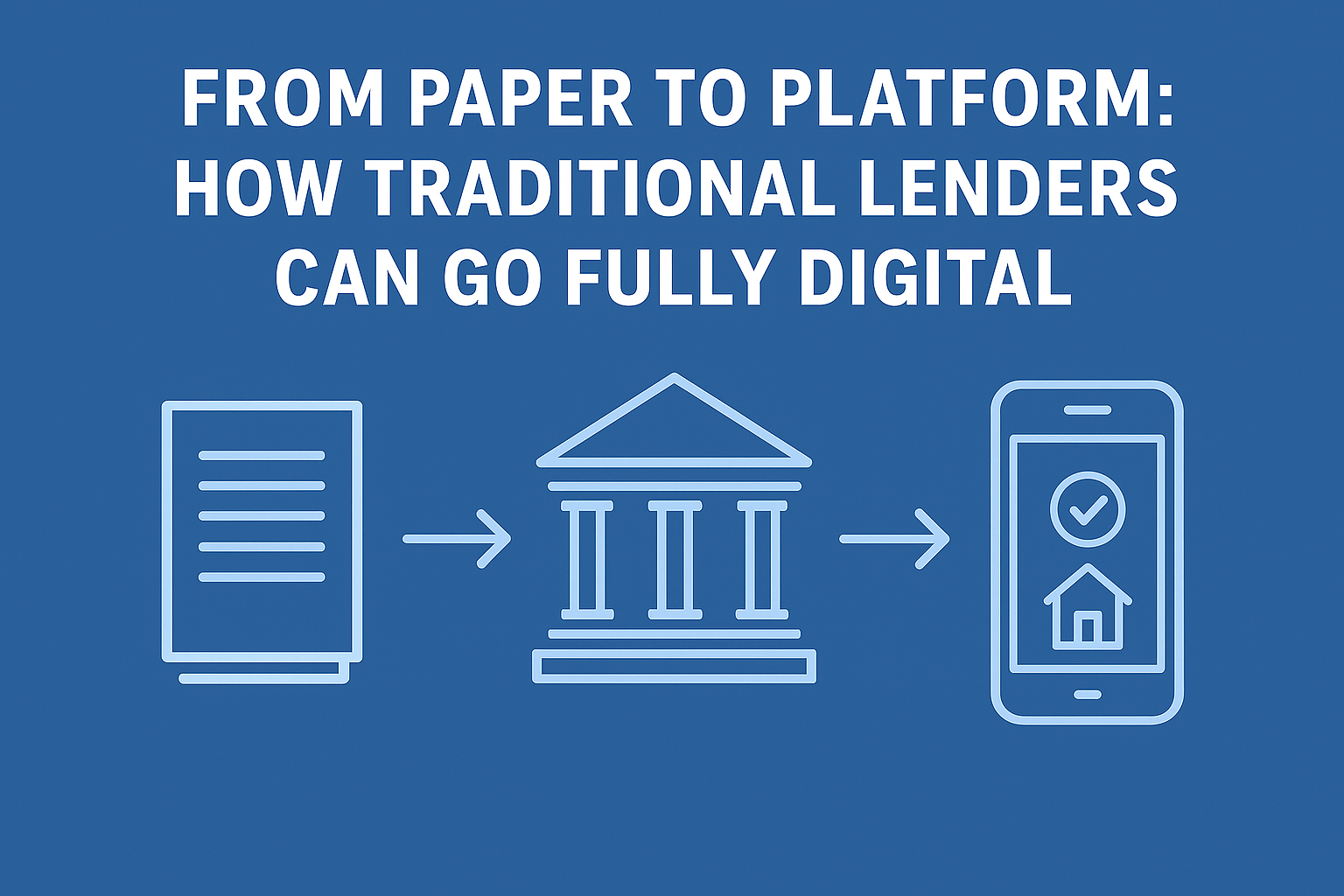
From Paper to Platform: How Traditional Lenders Can Go Fully Digital
For decades, the mortgage industry has relied on paper-heavy processes, manual verifications, and fragmented systems. While this approach once worked, today it creates friction for borrowers, operational risk for lenders, and inefficiencies that limit scalability.
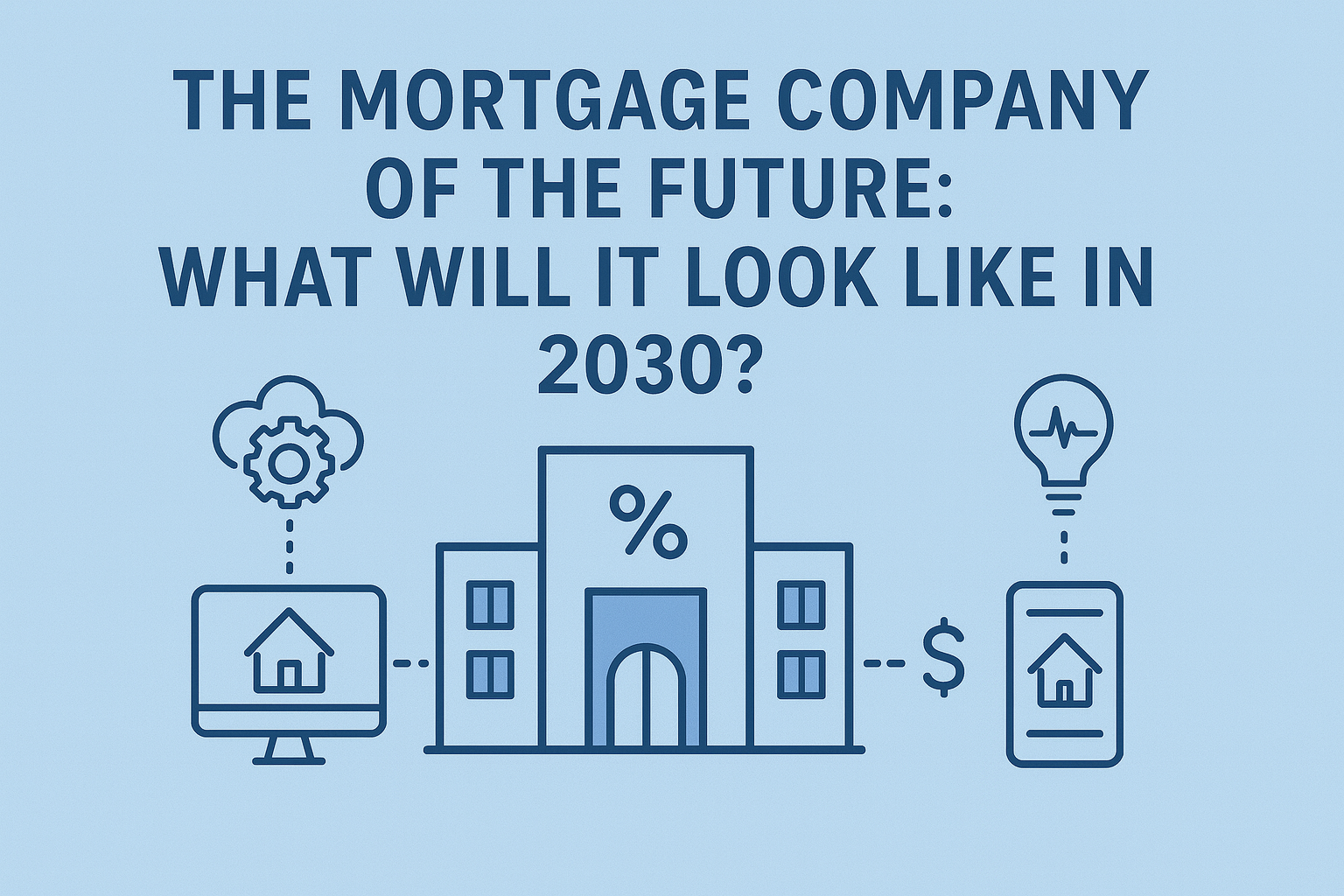
The Mortgage Company of the Future: What Will It Look Like in 2030?
Explore what the mortgage company of the future will look like in 2030, driven by AI, digital mortgages, data interoperability, and customer-centric, fully automated lending experiences.
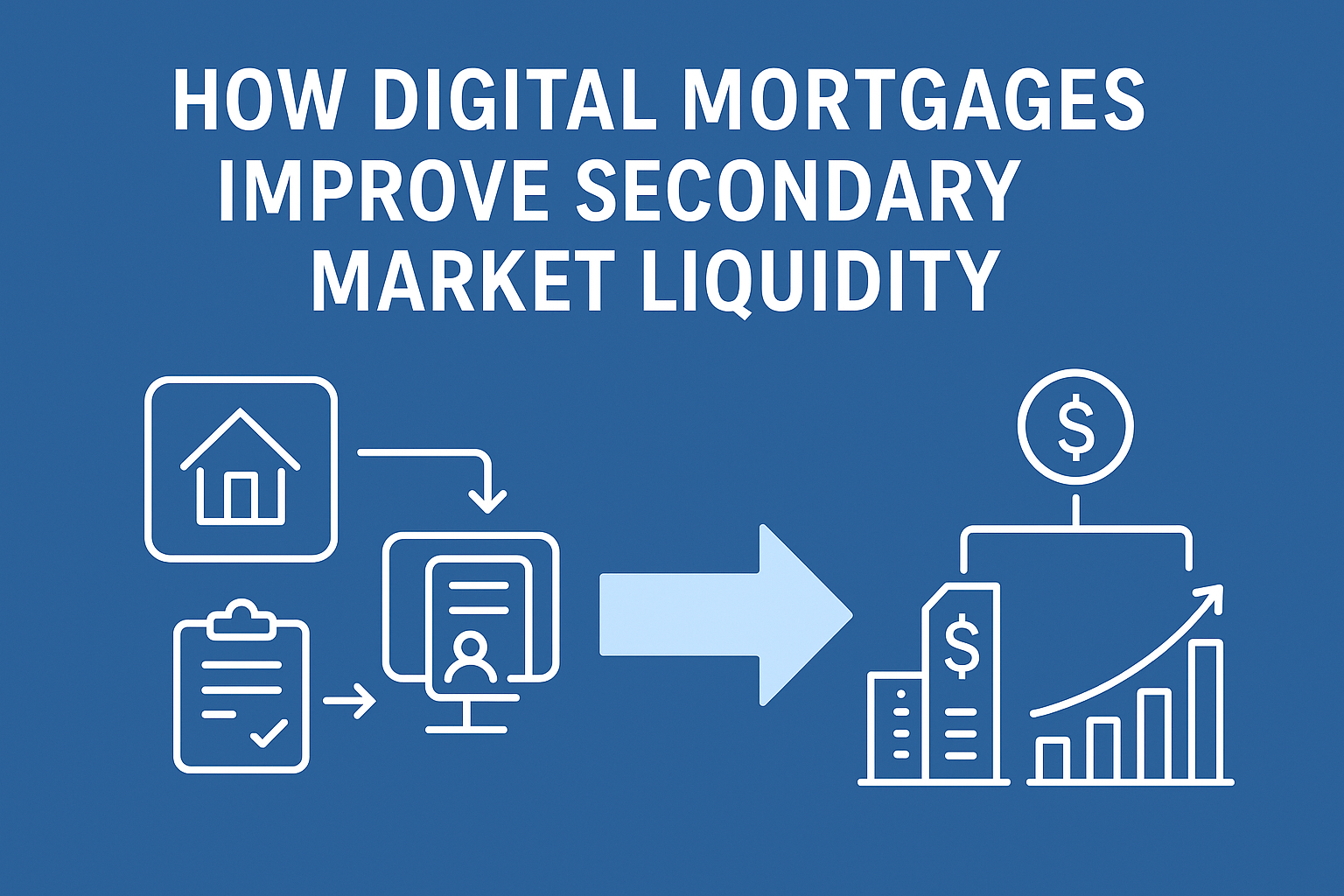
How Digital Mortgages Improve Secondary Market Liquidity
Discover how digital mortgages accelerate loan delivery, standardize data, and enhance transparency, boosting secondary market liquidity and enabling faster, more efficient trading for lenders and investors alike.
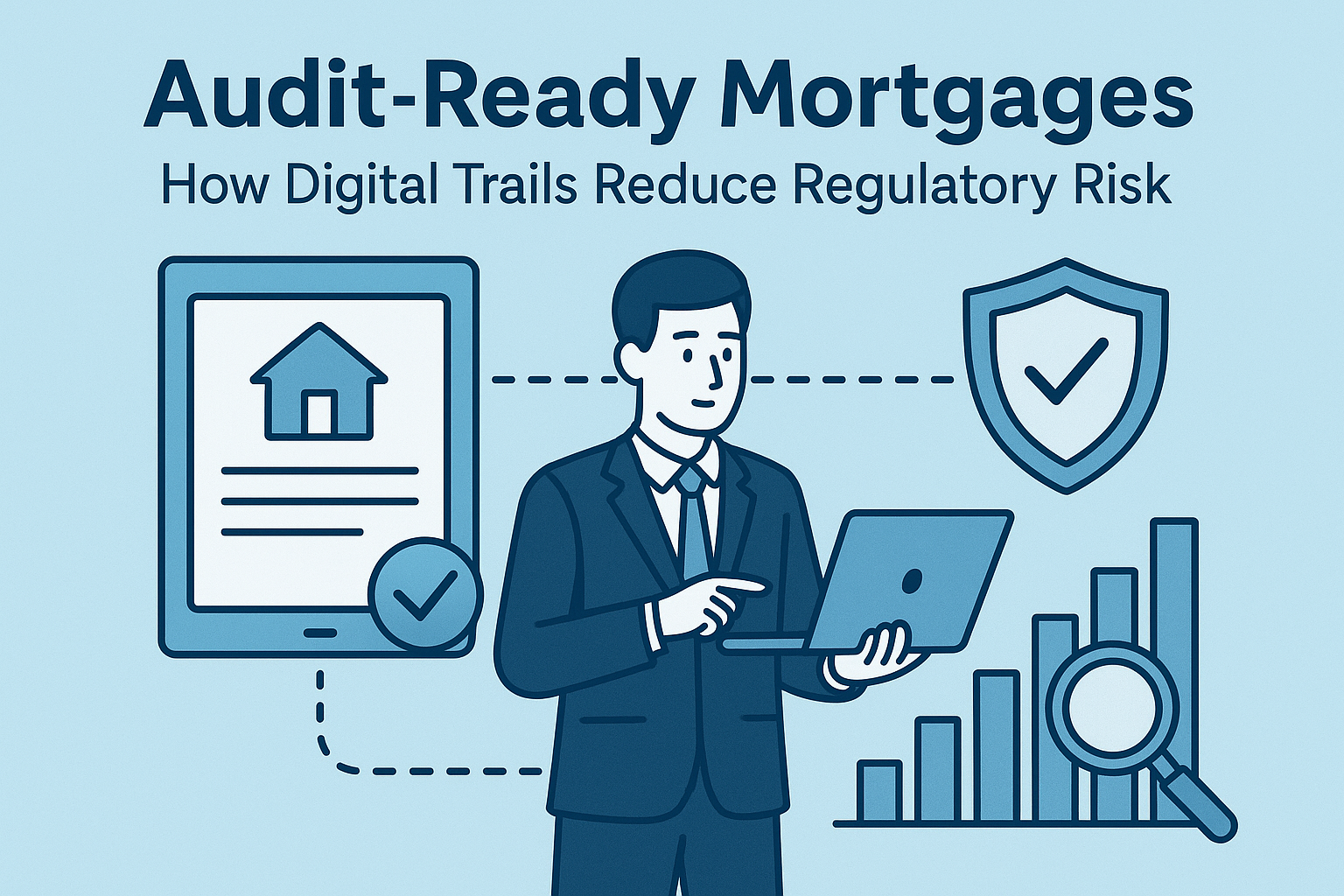
Audit-Ready Mortgages: How Digital Trails Reduce Regulatory Risk
Learn how audit-ready mortgages with digital trails reduce regulatory risk, streamline audits, and enhance operational efficiency, investor confidence, and compliance in the modern mortgage industry.
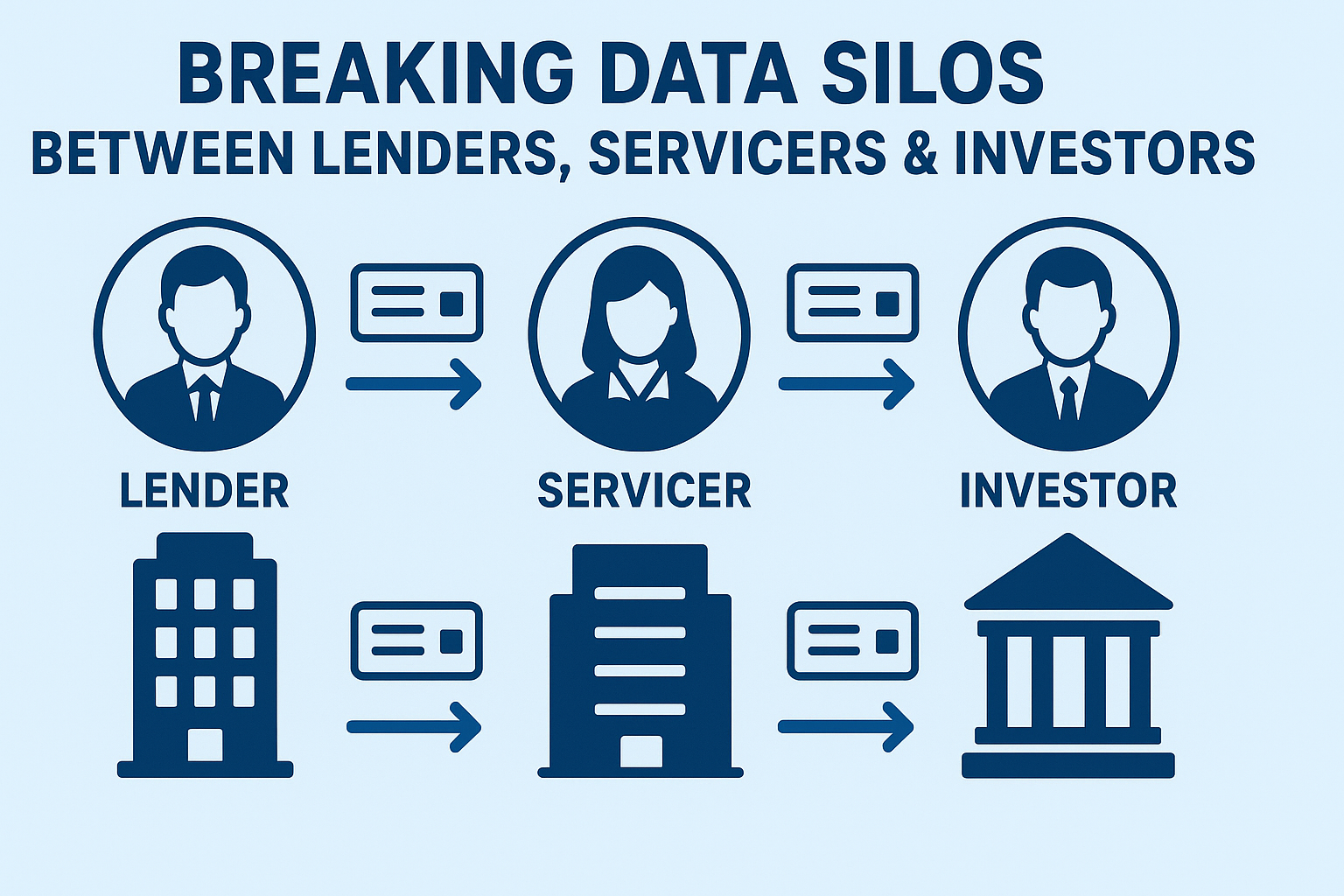
Breaking Data Silos Between Lenders, Servicers & Investors
Discover how breaking data silos between lenders, servicers, and investors can boost efficiency, improve compliance, and enhance borrower experience in the modern mortgage industry.
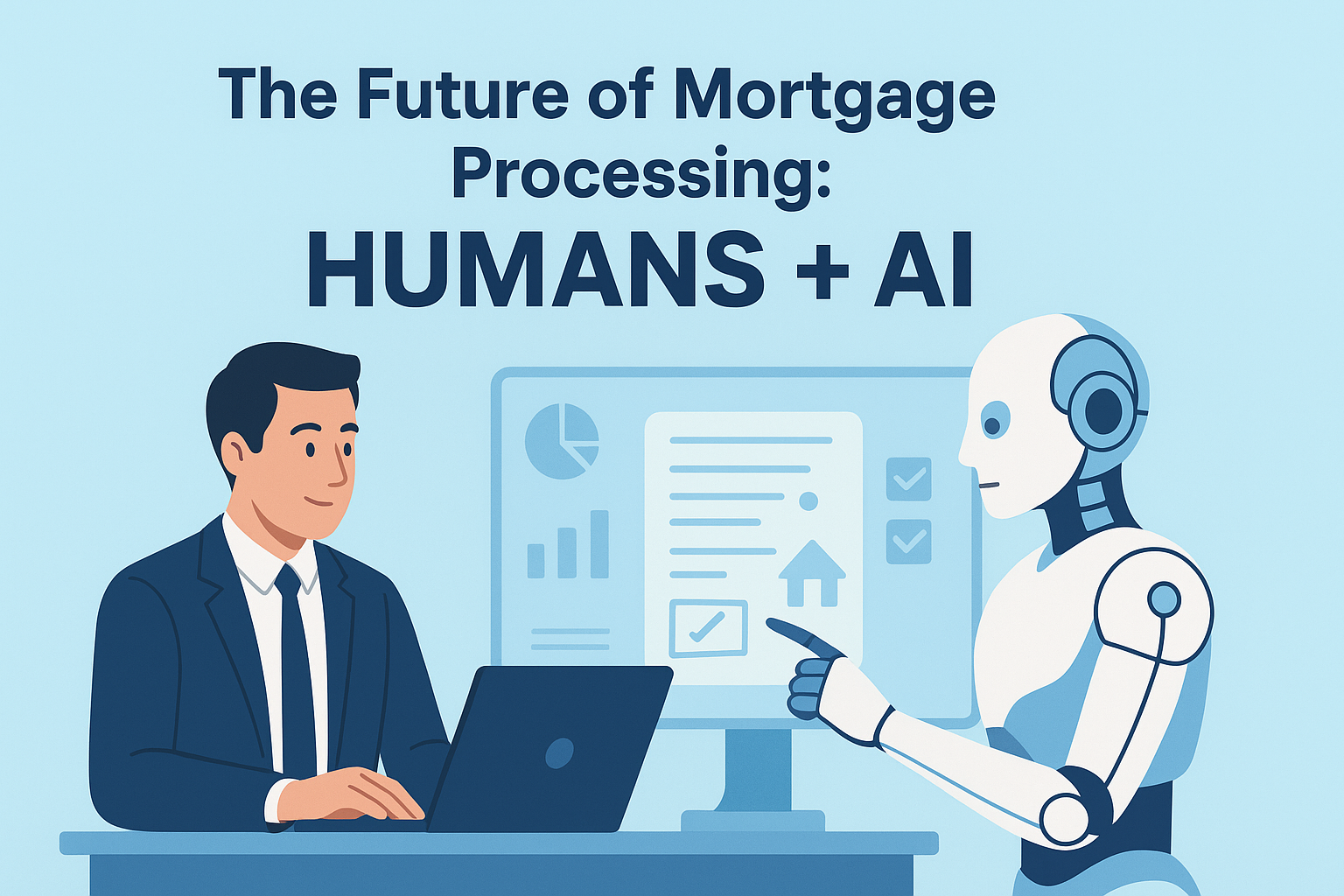
The Future of Mortgage Processing: Humans + AI
Mortgage processing is undergoing a major transformation. As lenders face tighter margins, fluctuating volumes, and rising borrower expectations, artificial intelligence (AI) is no longer a “nice to have” — it’s becoming a competitive necessity. However, the future of mortgage processing isn’t about replacing people with machines.
Mortgage Industry Outlook 2025–2027: What Lenders Should Prepare For
The mortgage industry is entering a period of transition shaped by economic shifts, changing consumer behaviors, technological disruption, and evolving regulatory pressures. Whether you’re an independent mortgage banker, a bank lending leader, or an industry strategist, understanding what lies ahead is essential for staying competitive and resilient from 2025 through 2027.
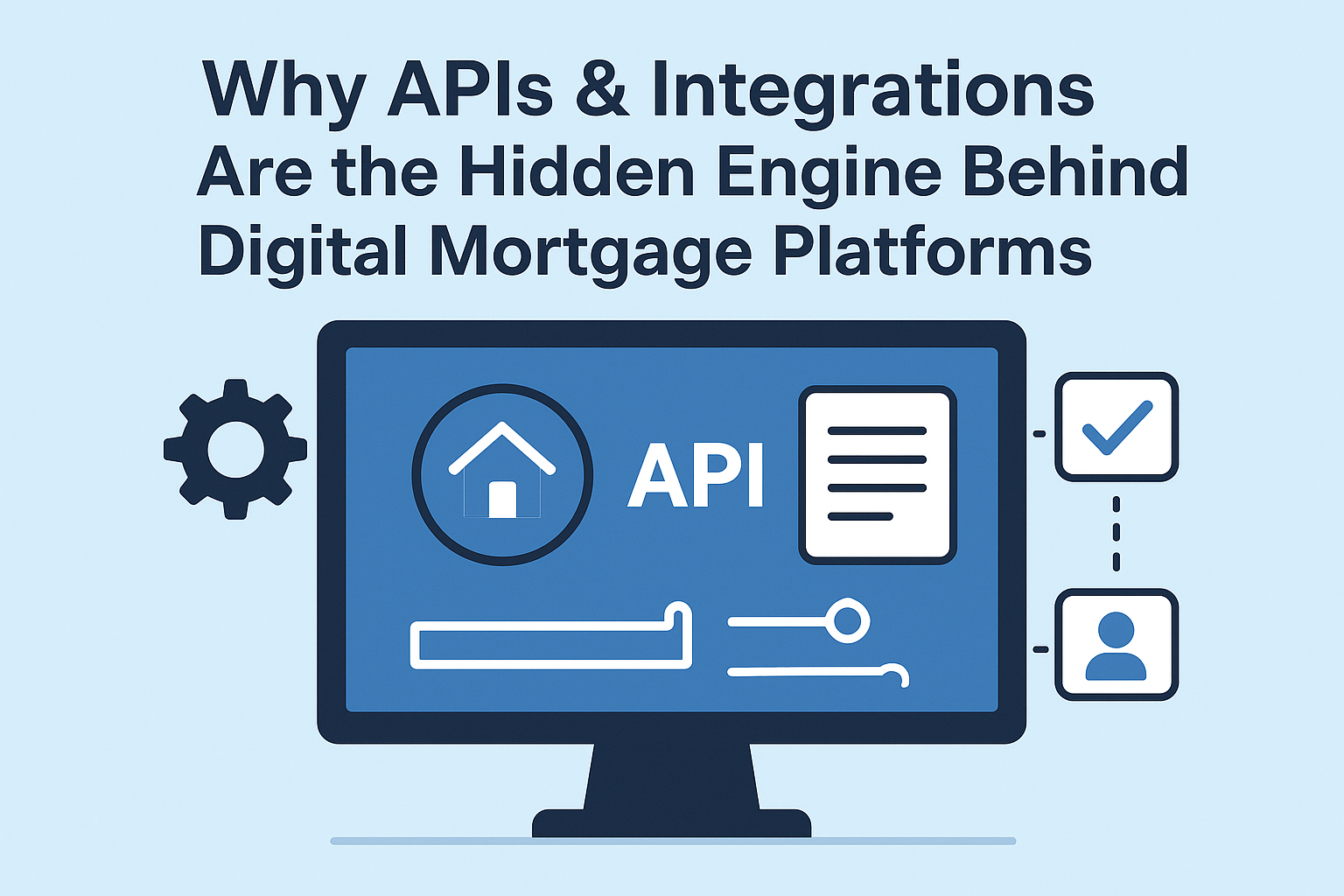
Why APIs & Integrations Are the Hidden Engine Behind Digital Mortgage Platforms
When people talk about digital mortgages, they often focus on sleek borrower portals, fast approvals, or fully digital closings. But behind every smooth digital experience is something most borrowers never see: APIs and system integrations.
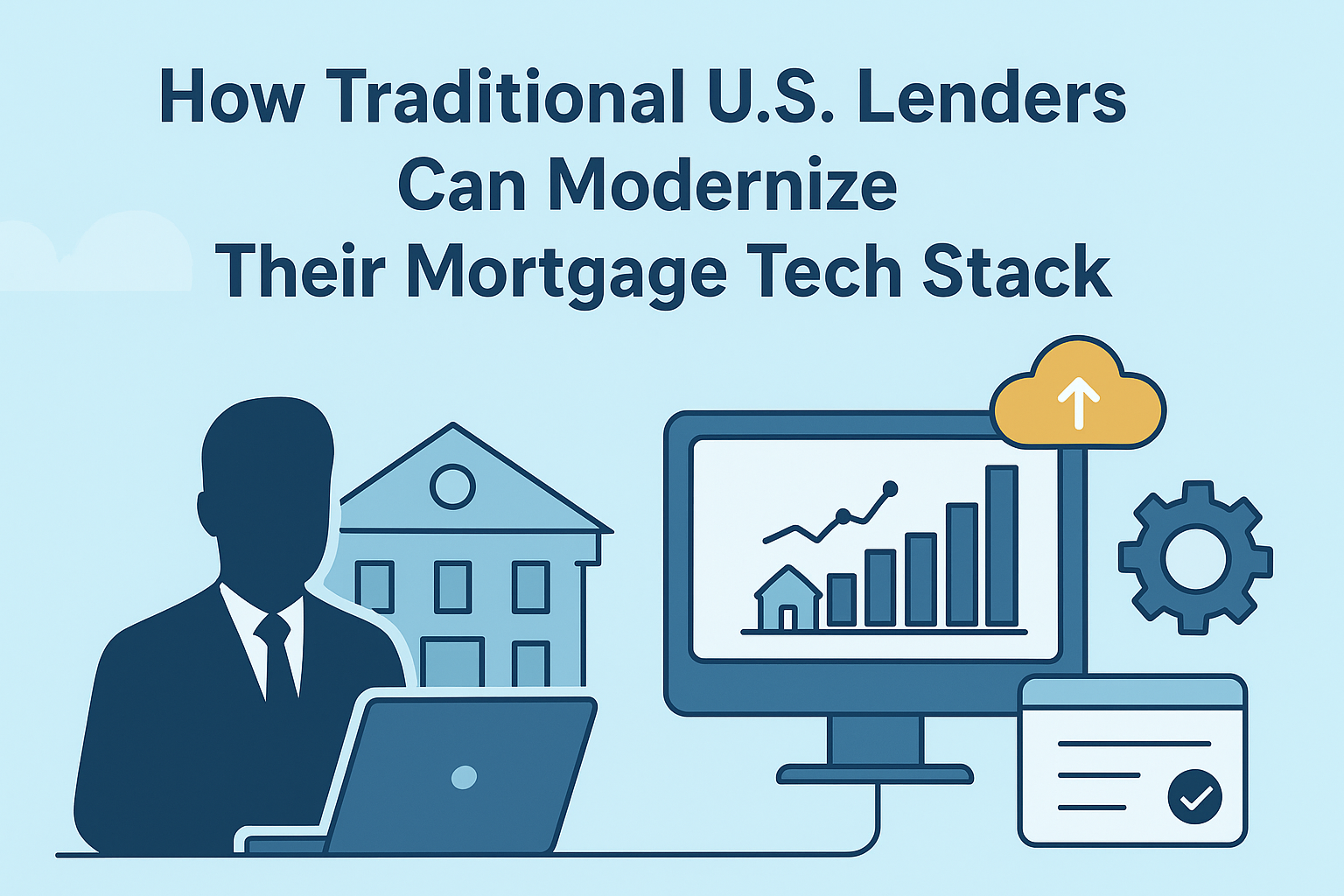
How Traditional U.S. Lenders Can Modernize Their Mortgage Tech Stack
Traditional U.S. lenders can modernize their mortgage tech stack through phased upgrades, digital tools, and better integrations to improve efficiency, compliance, and borrower experience.
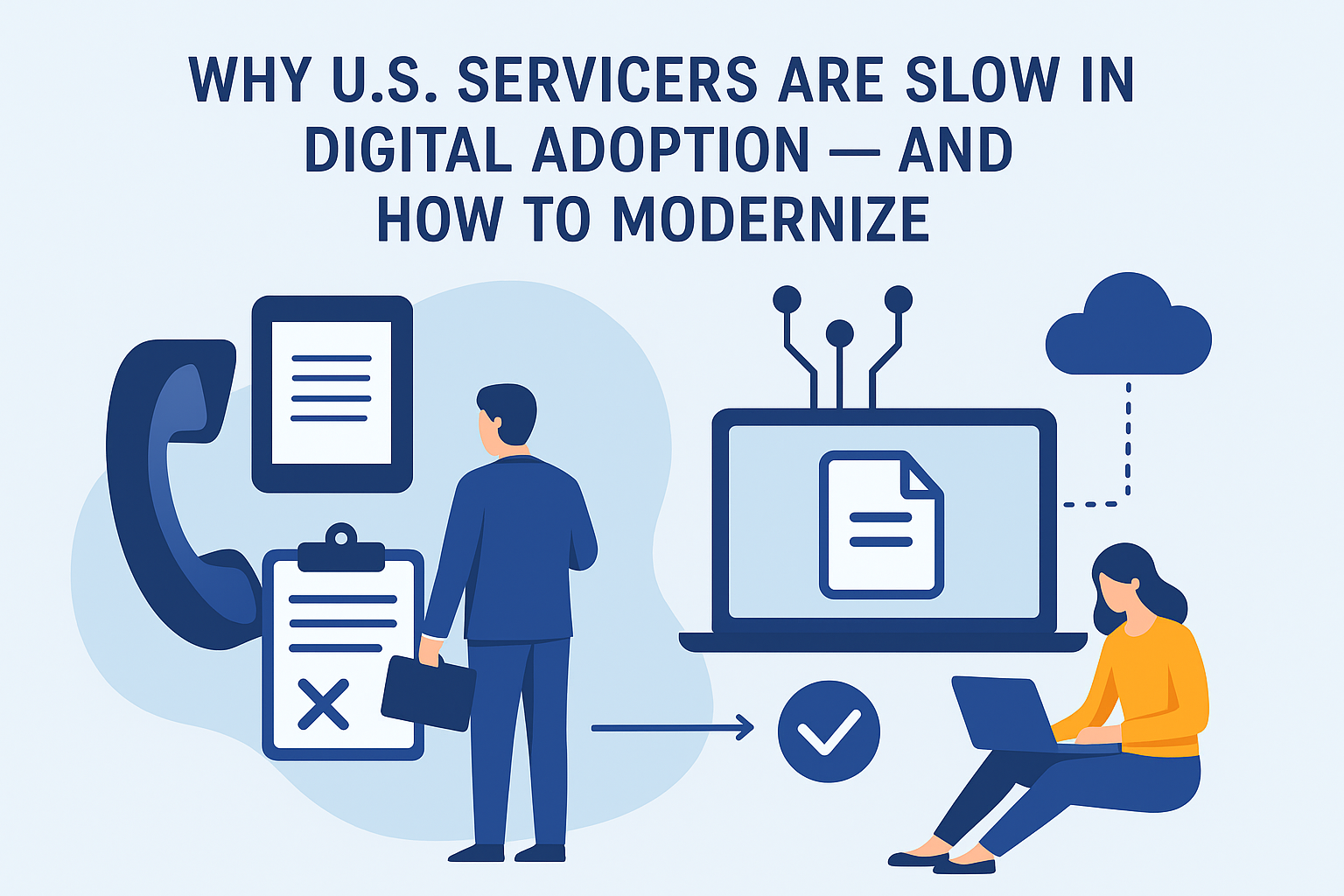
Why U.S. Servicers Are Slow in Digital Adoption — and How to Modernize
Discover why U.S. mortgage servicing remains largely manual and how phased digital modernization can reduce costs, improve compliance, and enhance borrower experience.
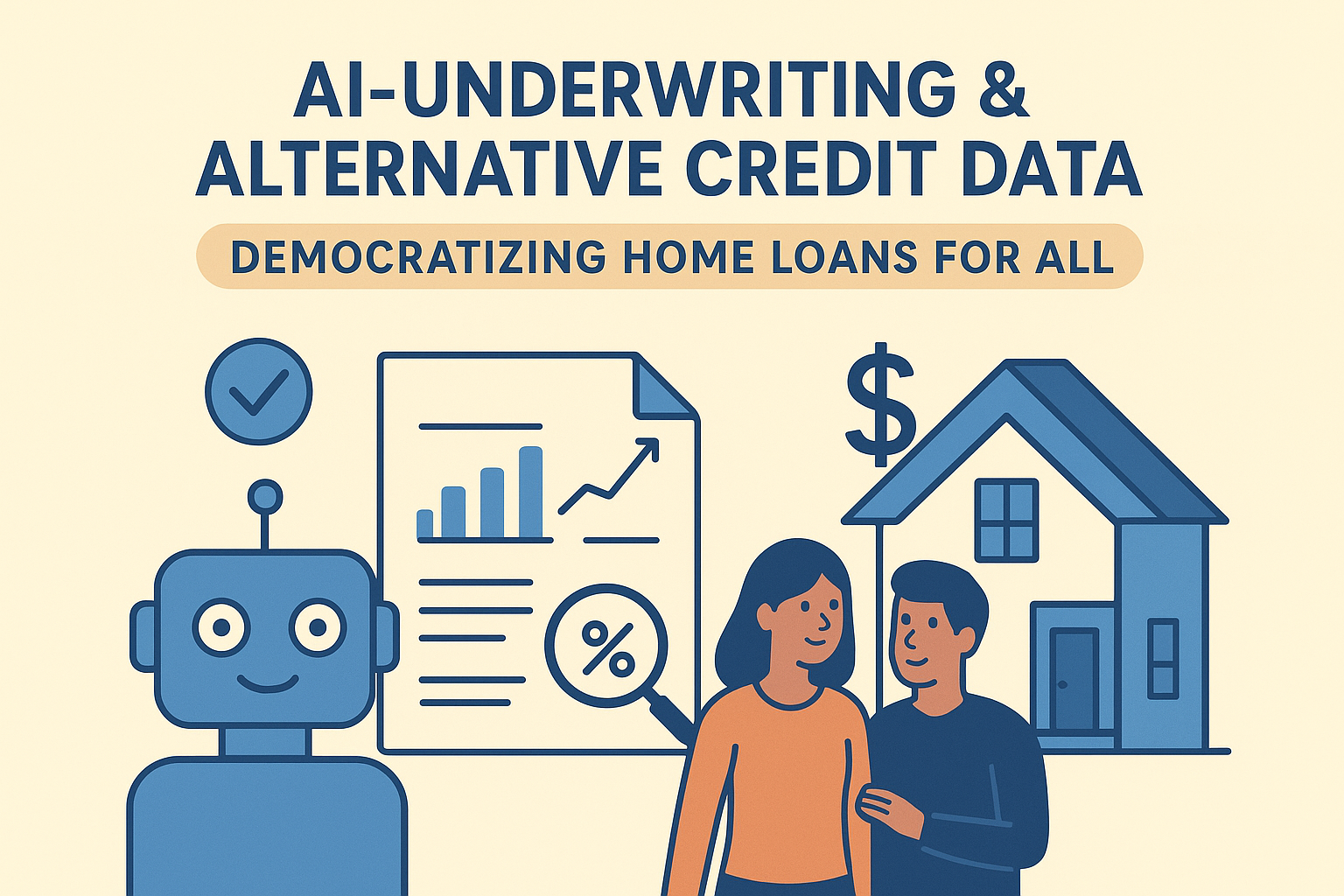
AI-Underwriting & Alternative Credit Data: Democratizing Home Loans for All
Learn how AI underwriting uses alternative credit data to improve risk assessment, speed approvals, and expand homeownership opportunities for underserved borrowers.
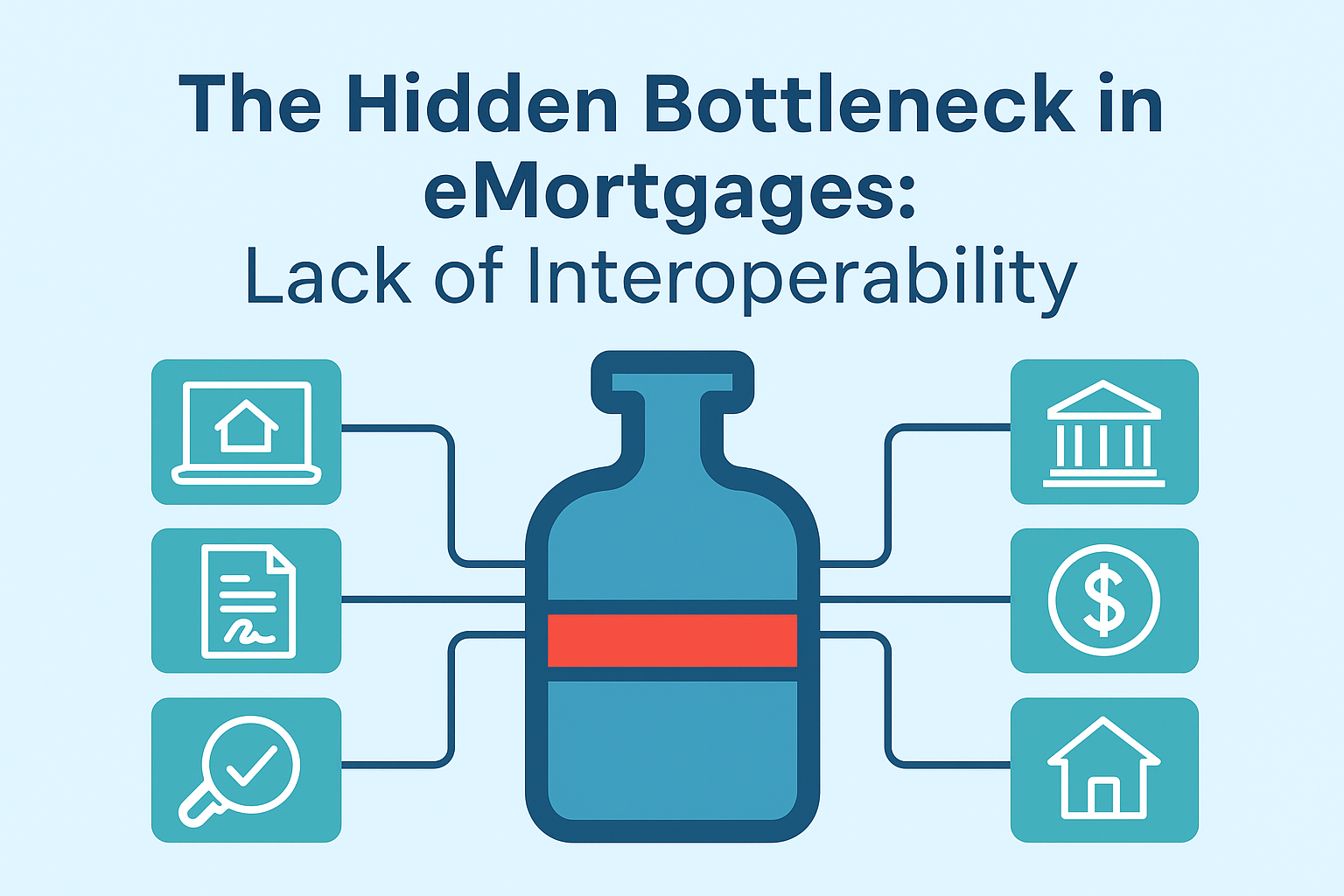
The Hidden Bottleneck in eMortgages: Lack of Interoperability
Despite digital progress, poor system interoperability continues to slow eMortgages, creating operational challenges for lenders and the broader mortgage ecosystem.
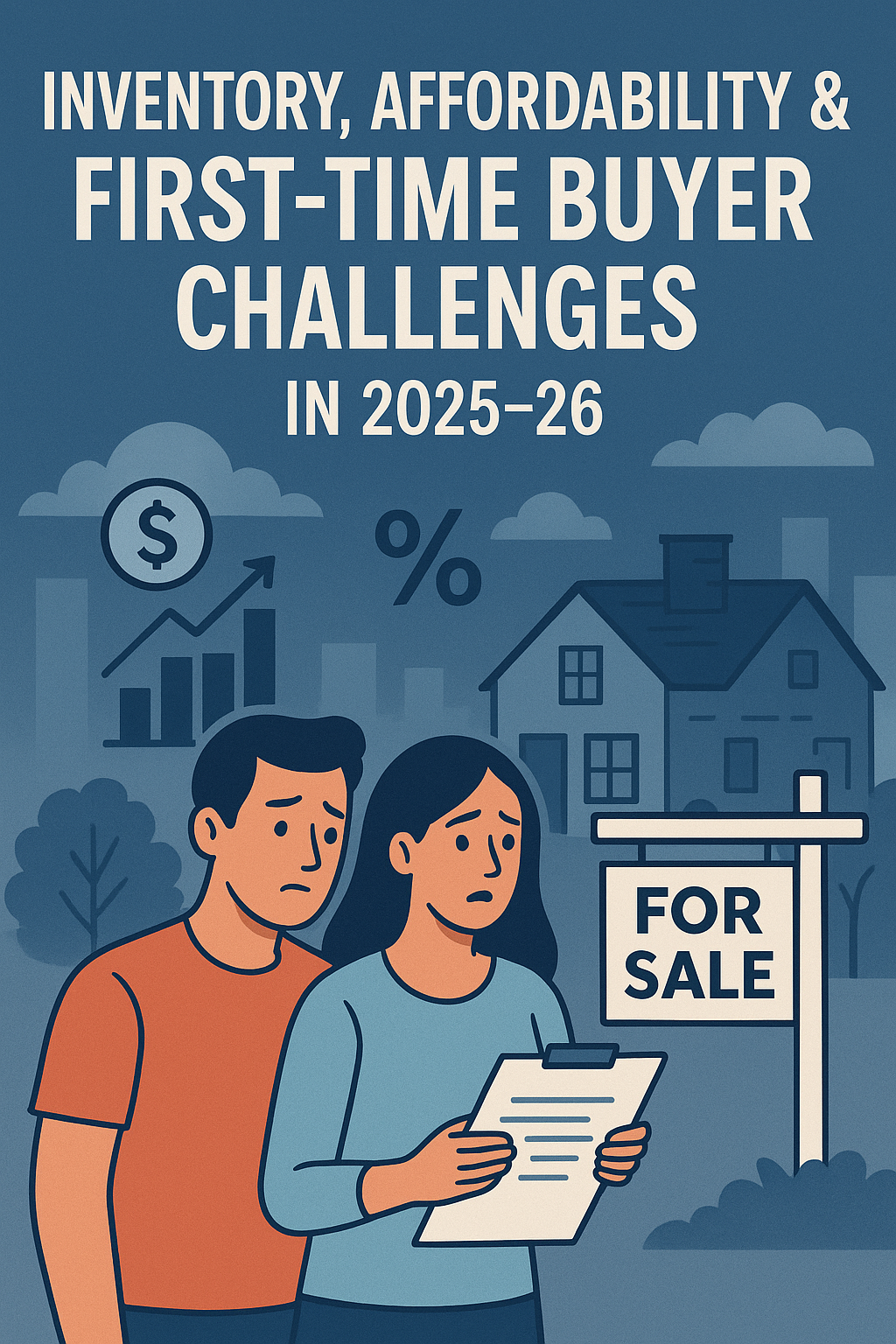
Inventory, Affordability & First-Time Buyer Challenges in 2025–26: Broader Housing & Market Dynamics
Explore the 2025–26 housing market challenges, from limited inventory and rising home prices to affordability issues, and discover strategies to help first-time buyers navigate these dynamics.
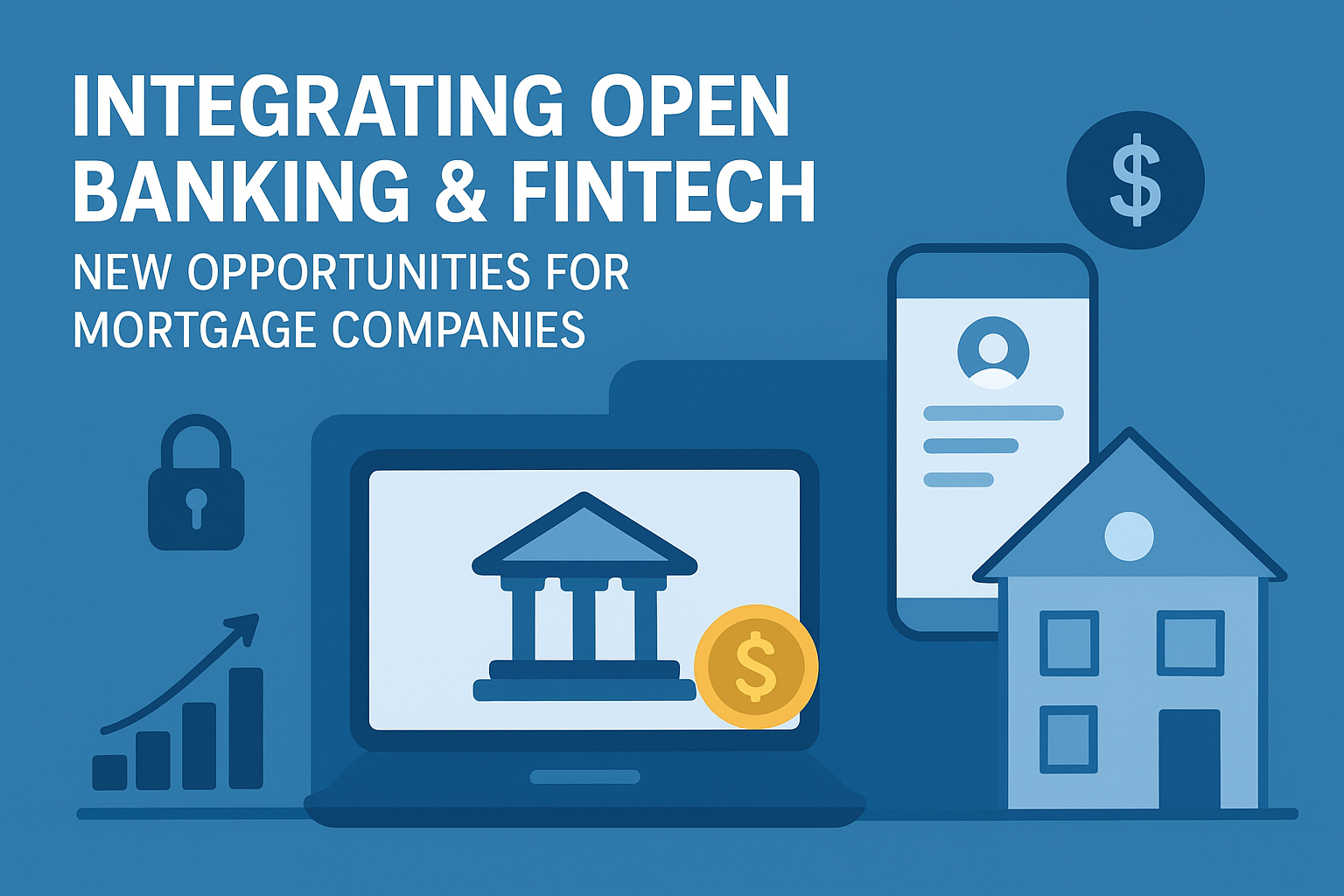
Integrating Open Banking & Fintech: New Opportunities for Mortgage Companies
Discover how open banking and fintech integration help mortgage companies like EMORTGAGE speed up approvals, reduce risk, improve compliance, and deliver a seamless digital borrower experience.
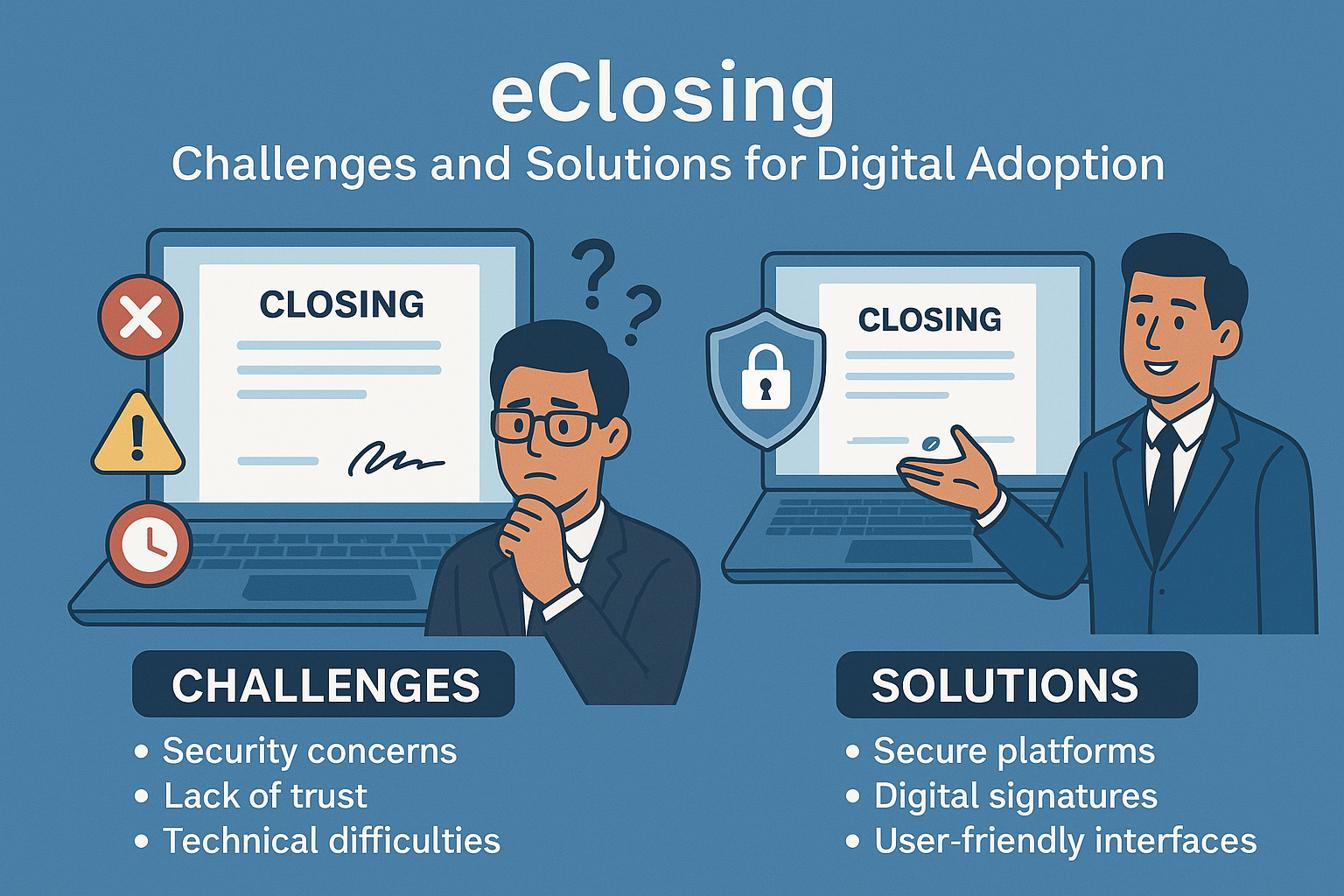
The Real Challenges of eClosings—and How to Solve Them
eClosings are modernizing mortgage closings, but adoption challenges remain. This article explores common barriers and practical solutions helping lenders deliver faster, compliant, and borrower-friendly digital closing experiences.
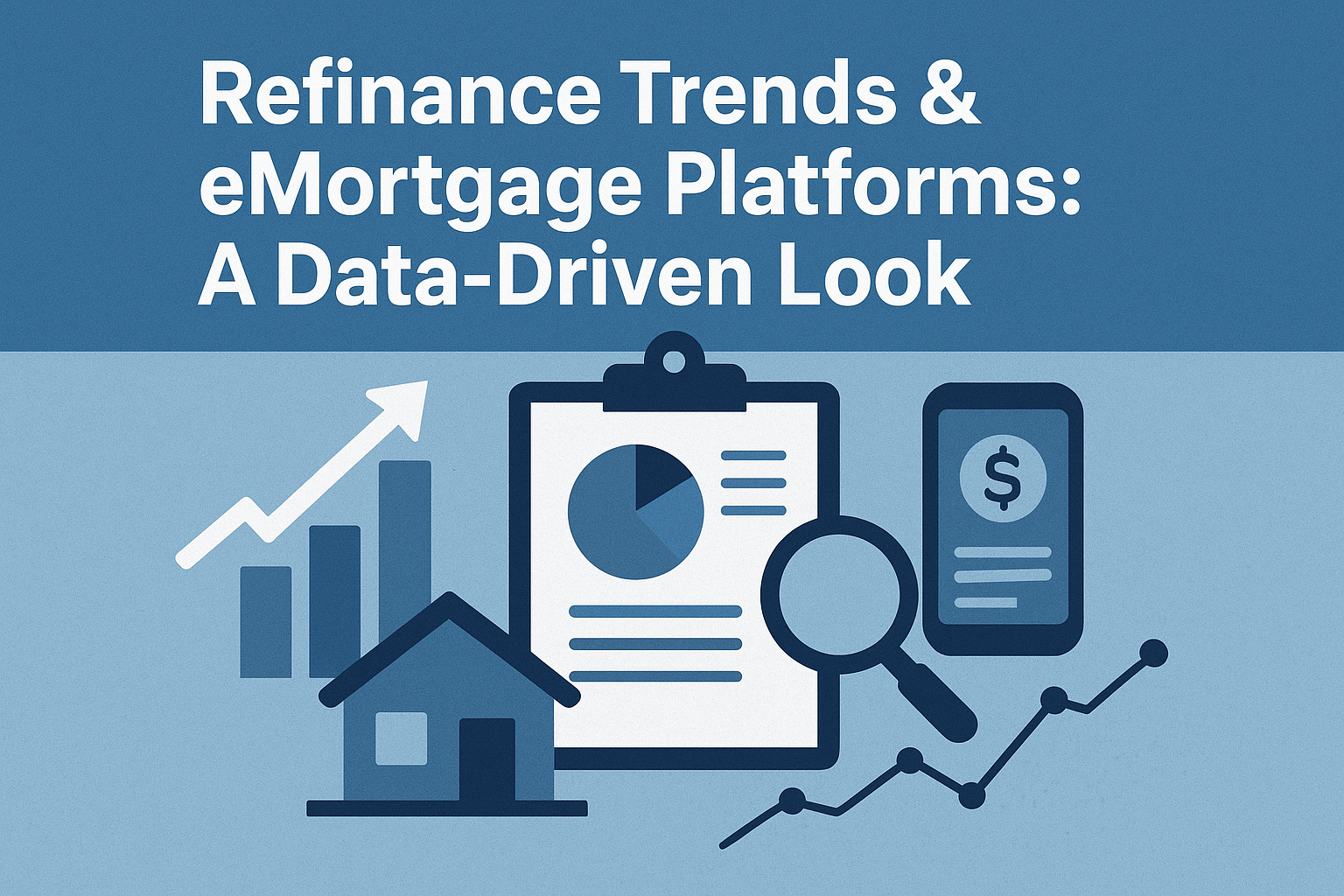
Refinance Trends & eMortgage Platforms: A Data-Driven Look
Refinancing activity is closely tied to interest rate movements, housing equity, and borrower confidence. As market conditions shift in 2025, eMortgage platforms are playing a key role in helping lenders capture refinance demand quickly and efficiently.
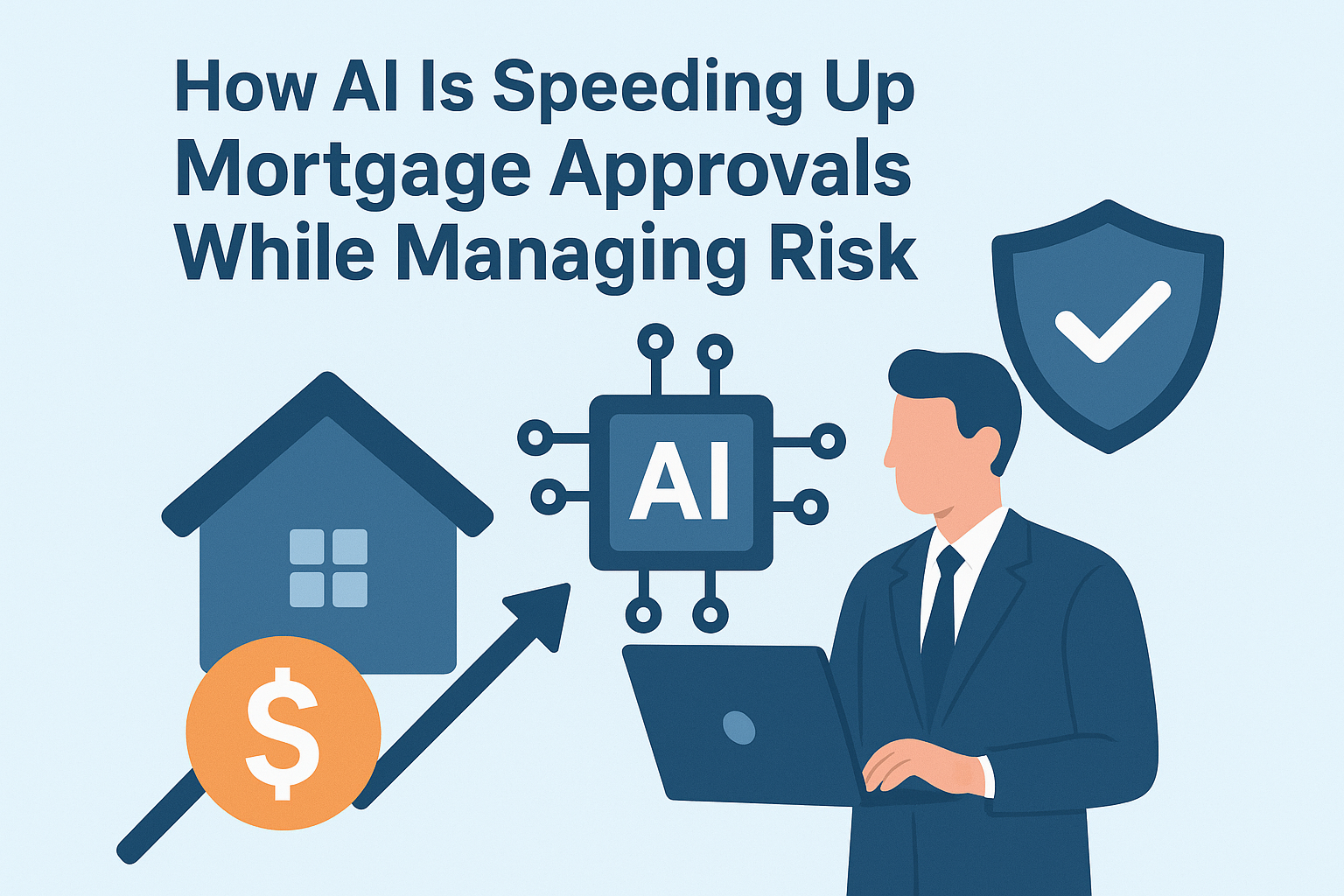
How AI Is Speeding Up Mortgage Approvals While Managing Risk
Mortgage lenders are under pressure to approve loans faster without increasing risk. AI-powered underwriting is helping lenders meet both goals by automating data analysis, improving accuracy, and delivering quicker decisions.
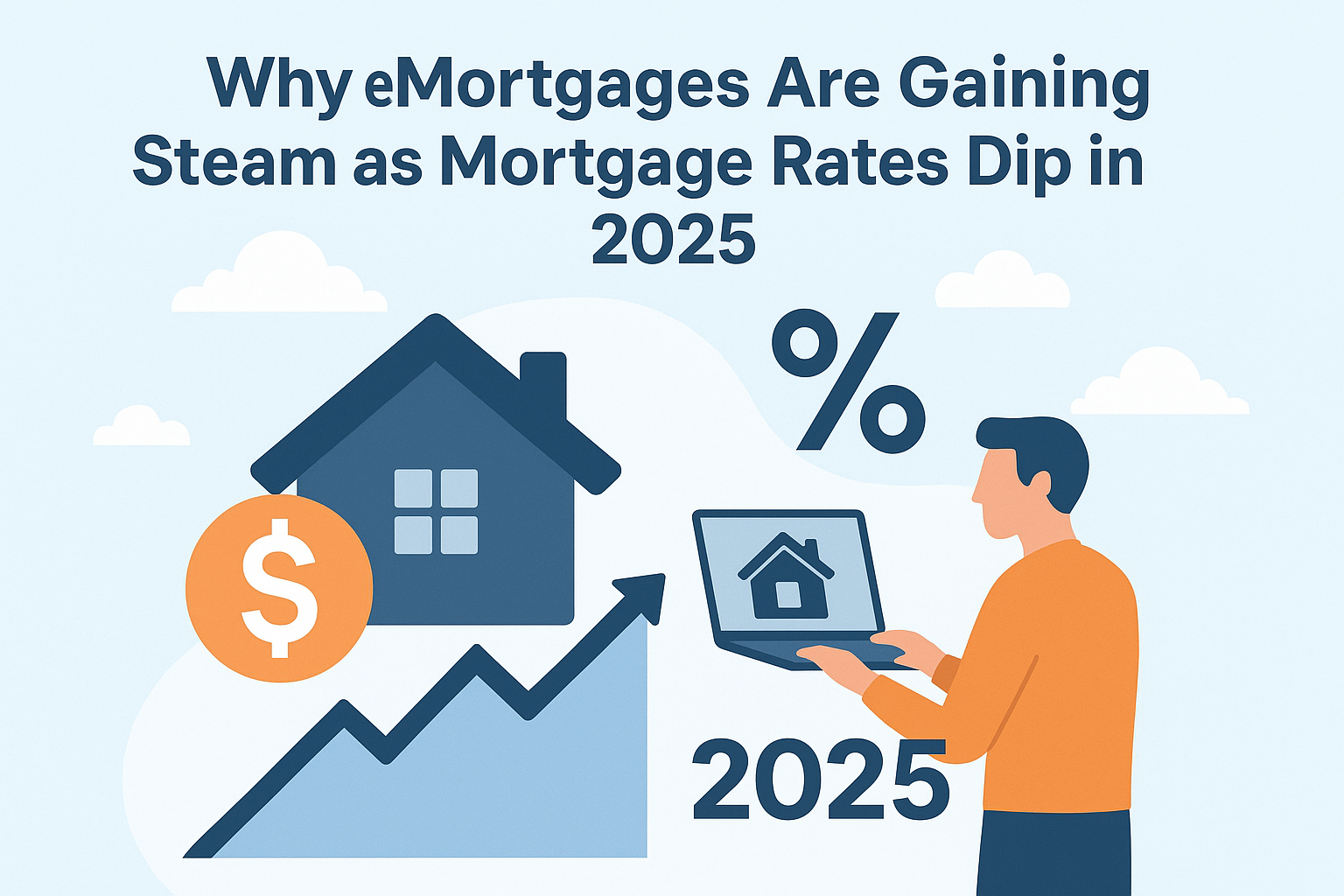
Why eMortgages Are Gaining Steam as Mortgage Rates Dip in 2025
As mortgage rates ease in 2025, eMortgages are gaining momentum by enabling faster approvals, digital closings, reduced paperwork, and a smoother borrower experience in a more active housing market.
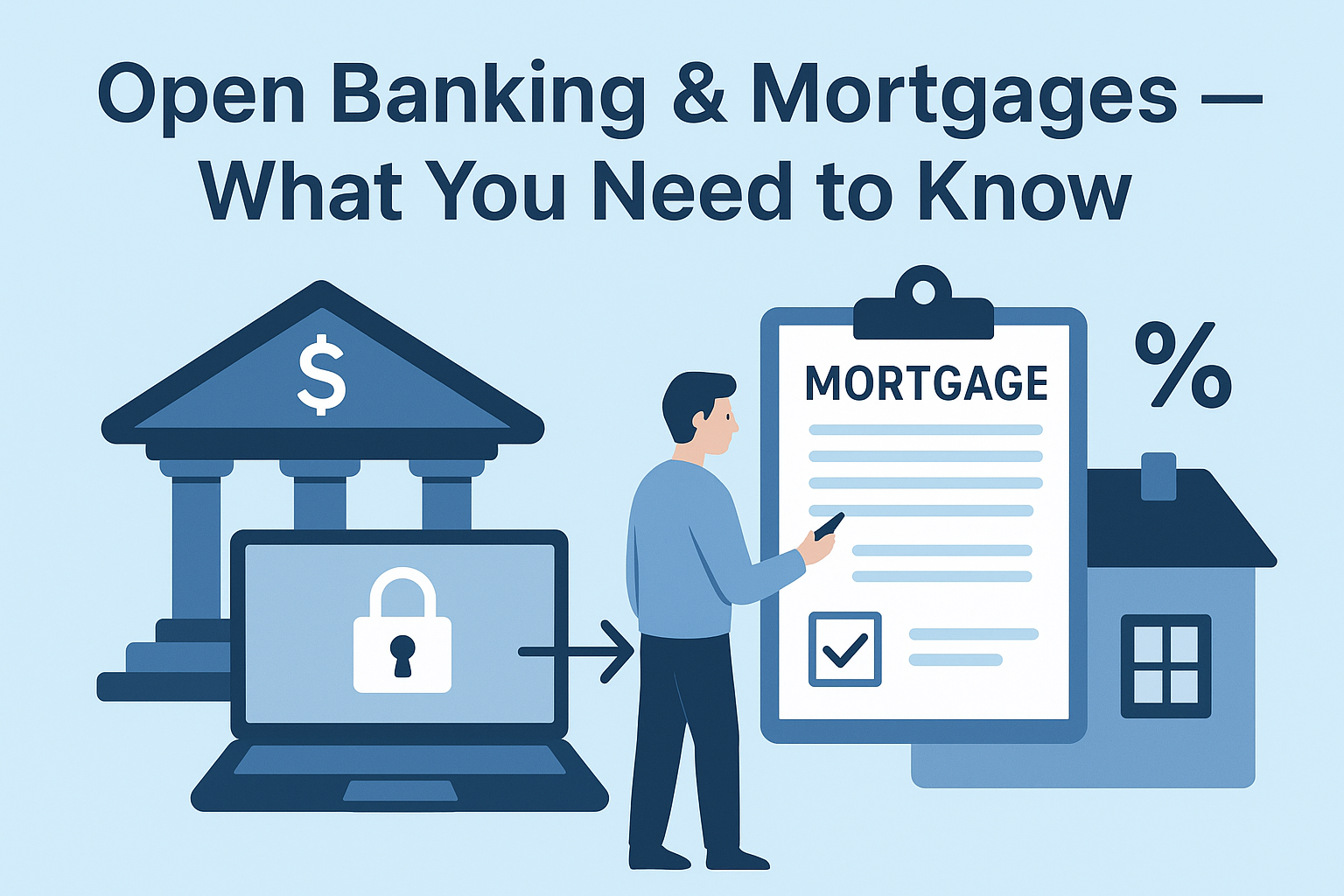
Open Banking in the U.S. Mortgage Market: What Lenders Should Know
By enabling secure access to real-time financial data, Open Banking helps lenders approve mortgages faster while giving borrowers a simpler, more transparent, and paperless home loan experience.
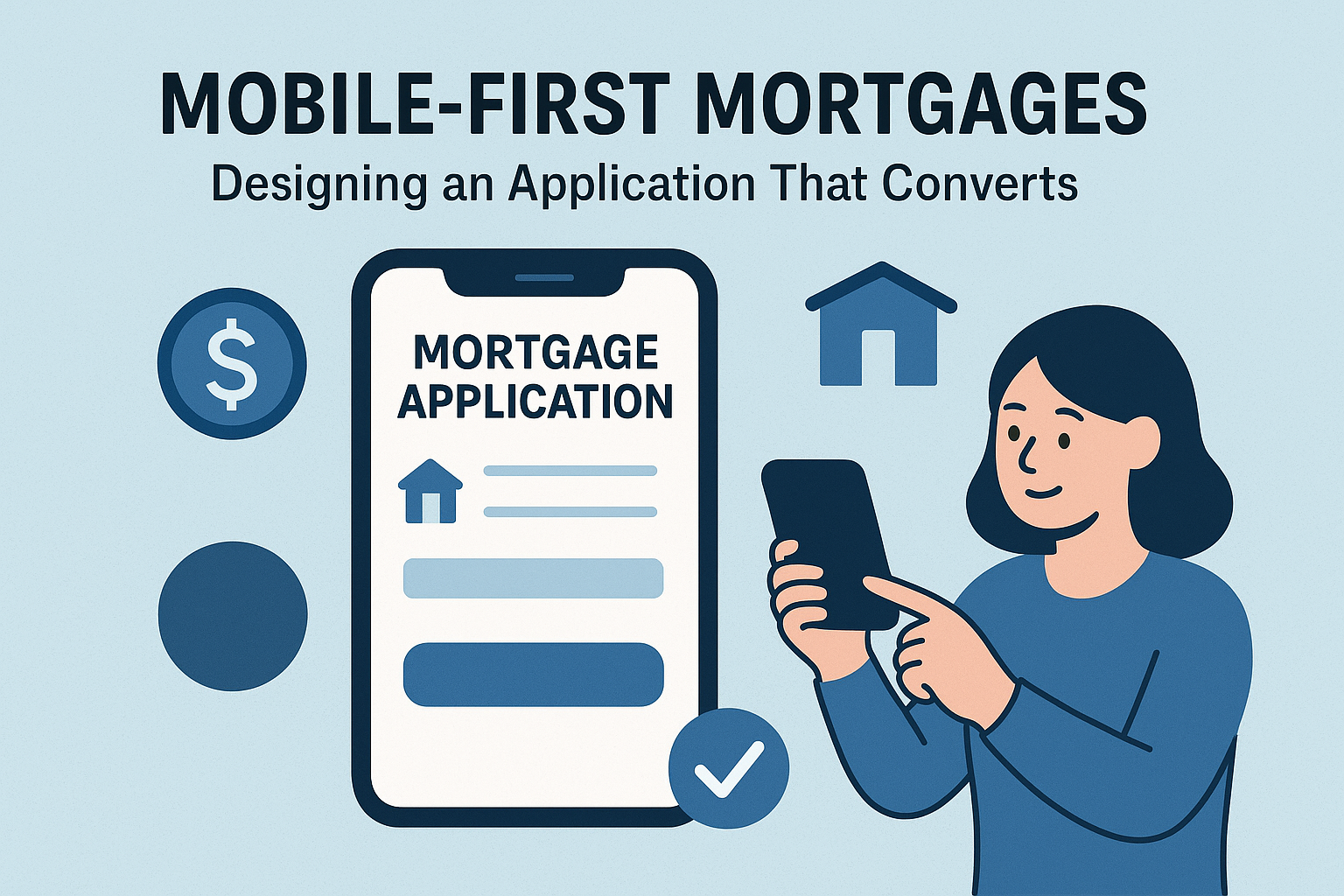
Mobile-First Mortgages: Designing an Application That Converts
A mobile-first mortgage application boosts conversions by offering a fast, simple, user-friendly experience. With intuitive design, easy uploads, and real-time support, lenders can attract more borrowers and reduce application drop-offs.