
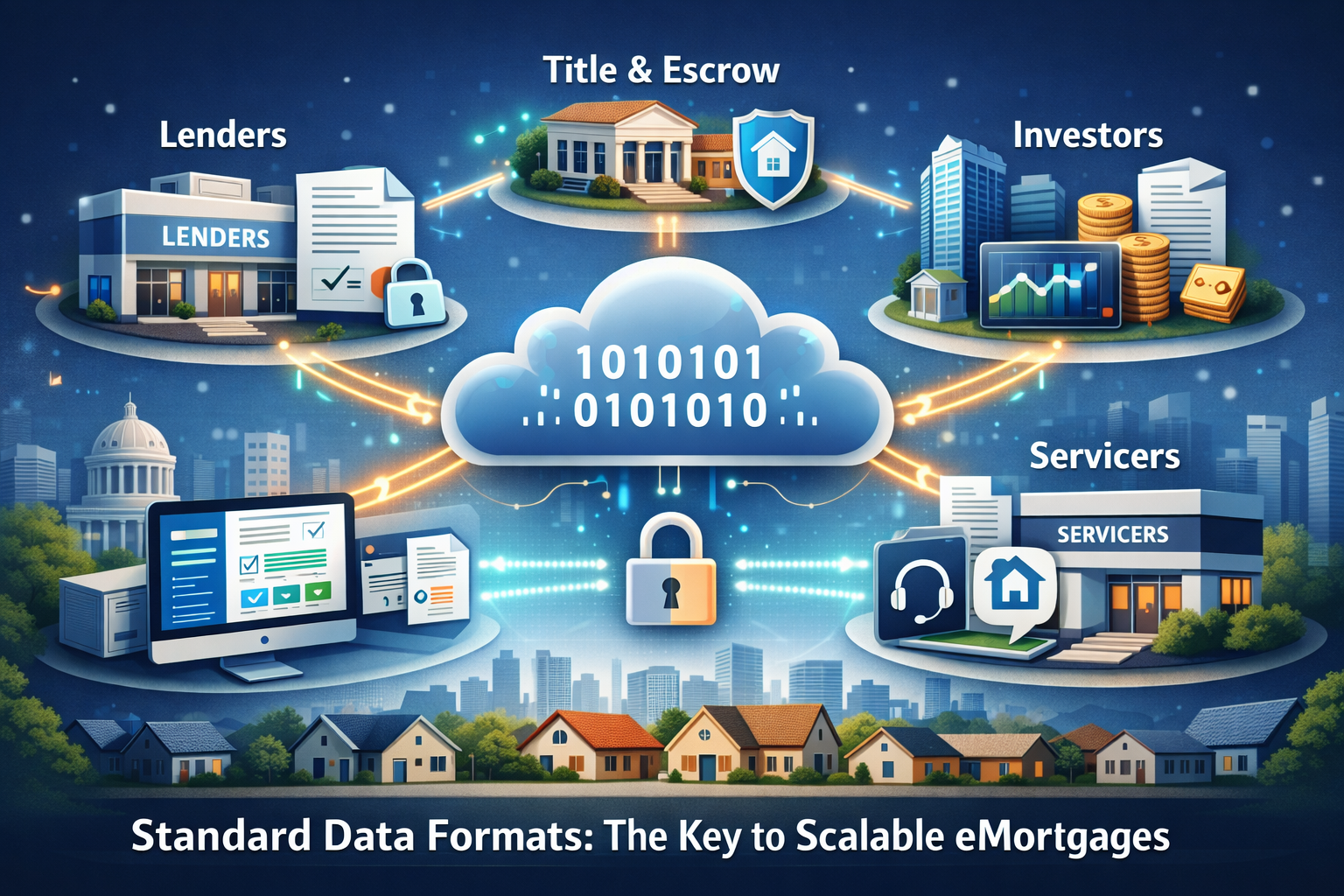
Standard Data Formats: The Key to Scalable eMortgages
Standard data formats enable scalable eMortgages by improving interoperability, automation, compliance, and secondary market efficiency across lenders, servicers, and investors in the U.S. mortgage ecosystem.
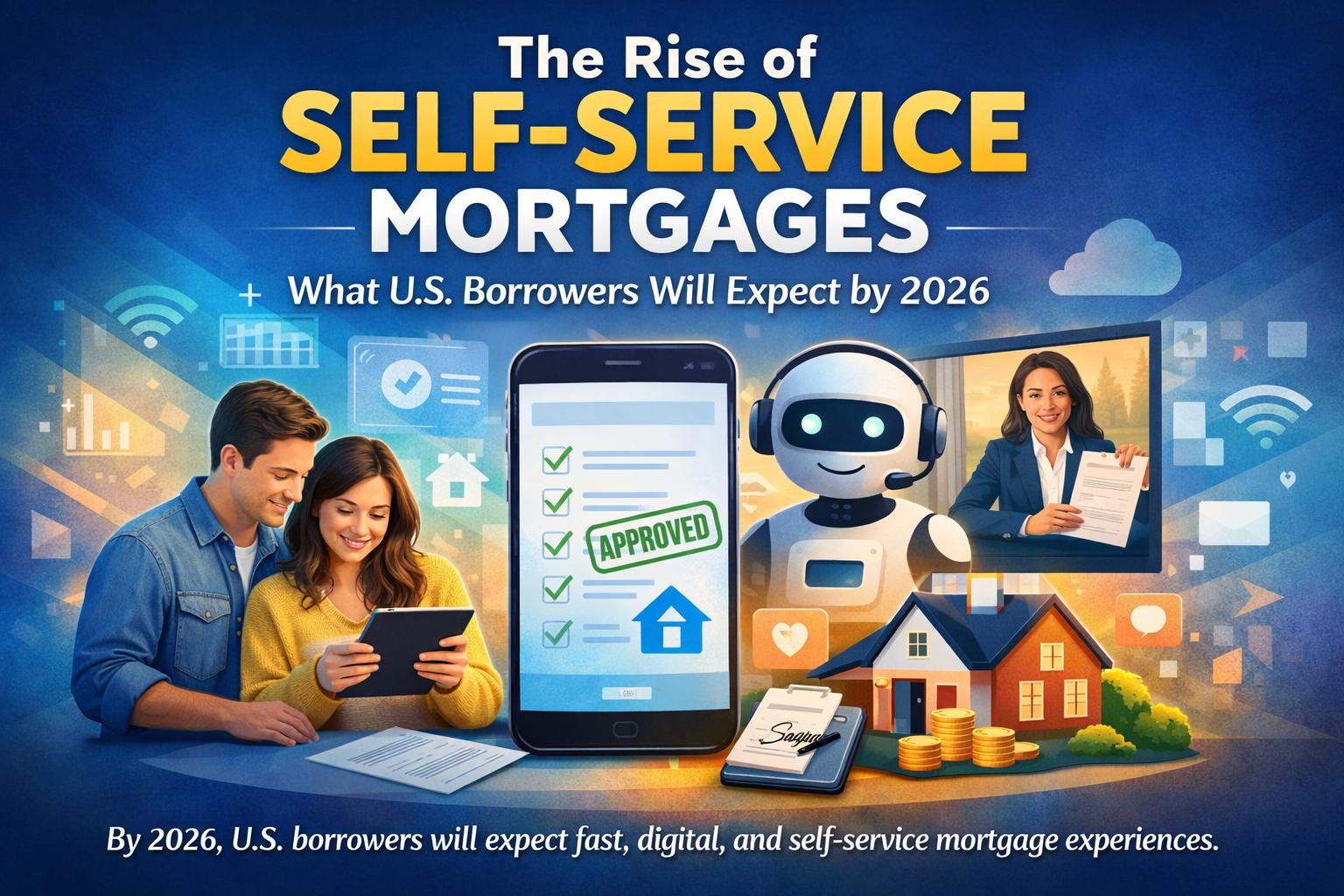
The Rise of Self-Service Mortgages: What U.S. Borrowers Will Expect by 2026
By 2026, U.S. borrowers will expect fast, transparent, self-service mortgage experiences powered by digital platforms, automation, and on-demand support—making home financing simpler and more convenient.
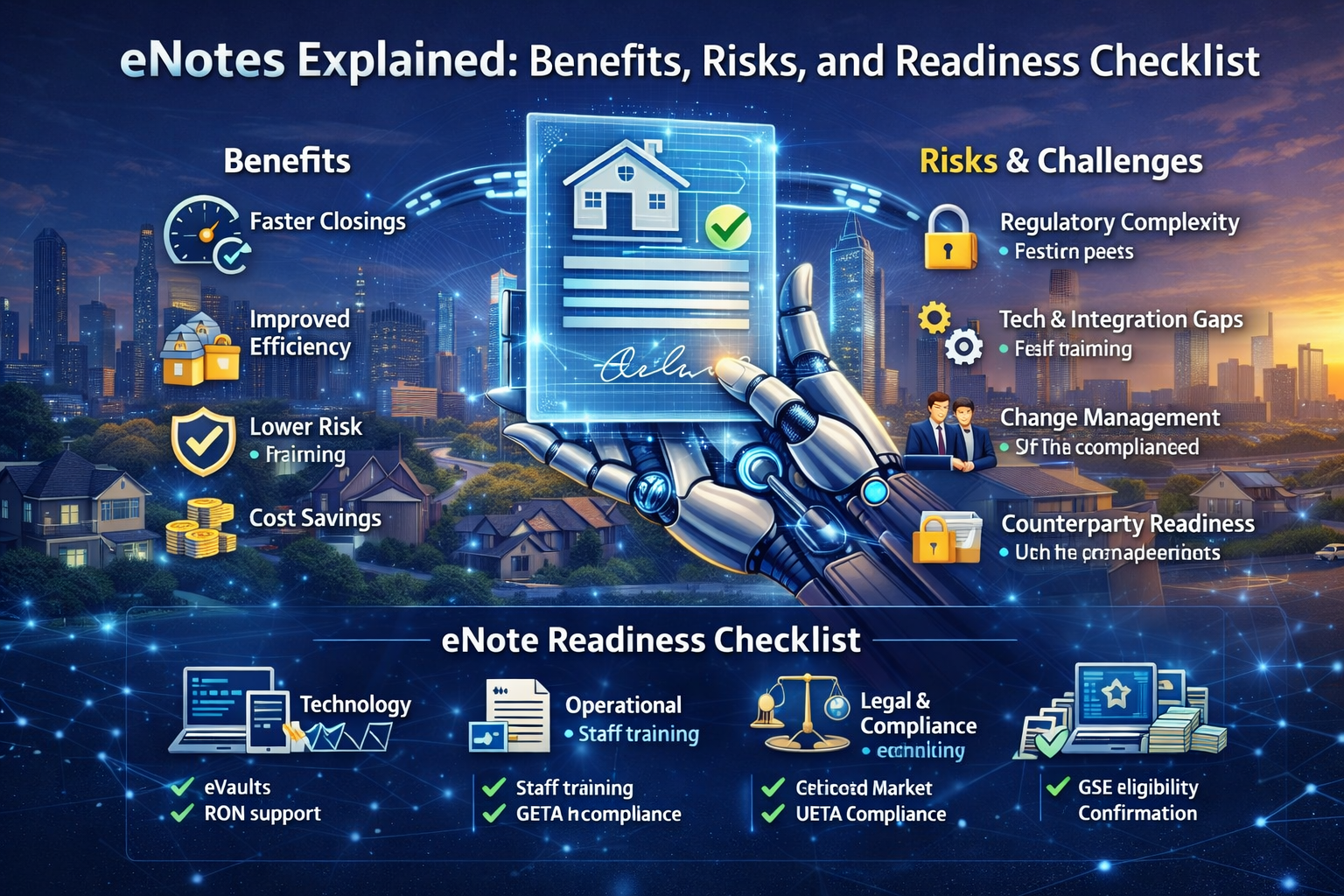
eNotes Explained: Benefits, Risks, and a Readiness Checklist
Learn what eNotes are, their key benefits and risks, and how lenders can assess readiness to adopt secure, compliant digital promissory notes in the U.S. mortgage ecosystem.
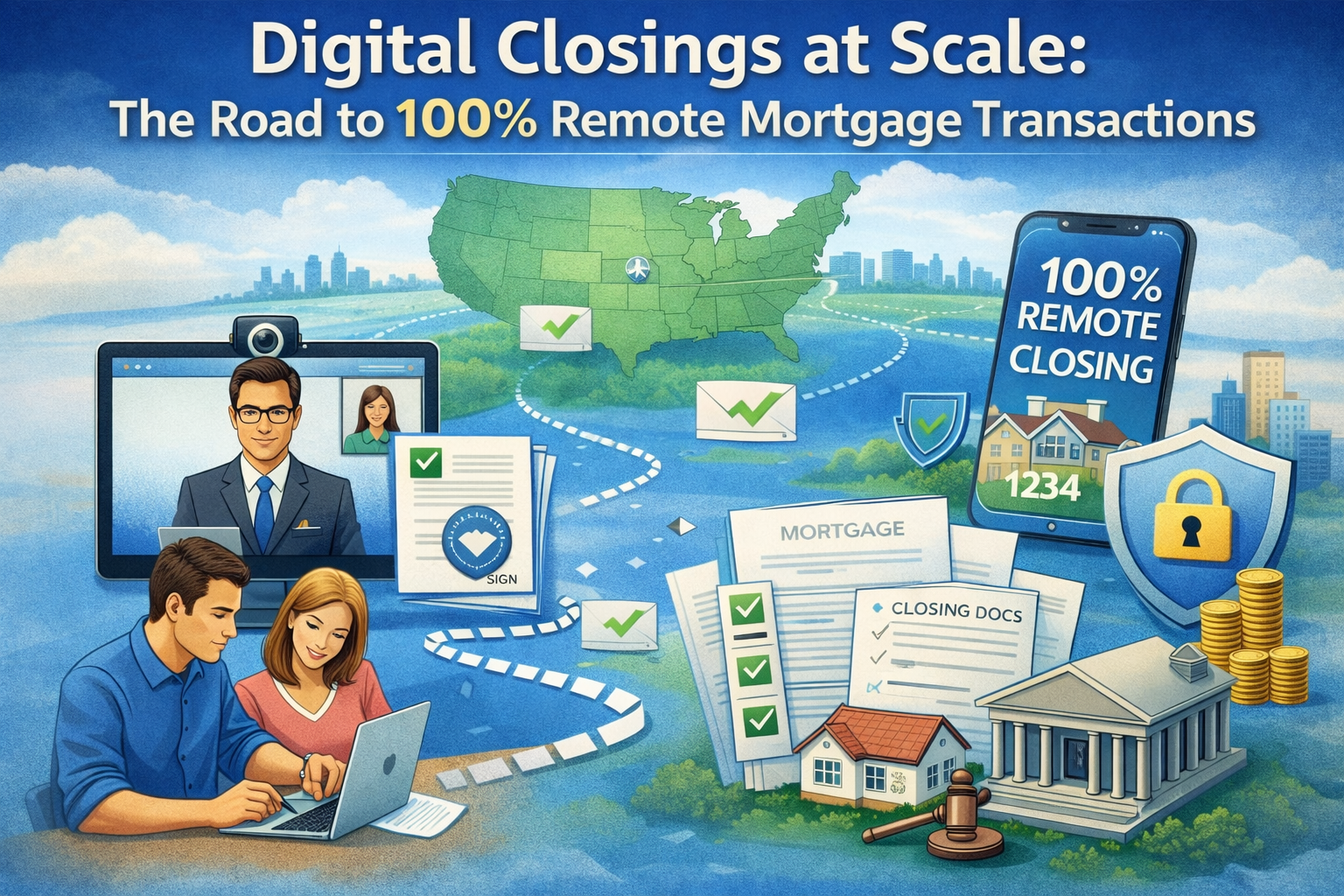
Digital Closings at Scale: The Road to 100% Remote Mortgage Transactions
The U.S. mortgage industry is moving steadily toward a future where 100% remote mortgage transactions are not the exception—but the norm. What began as a convenience-driven innovation has now become a strategic imperative.
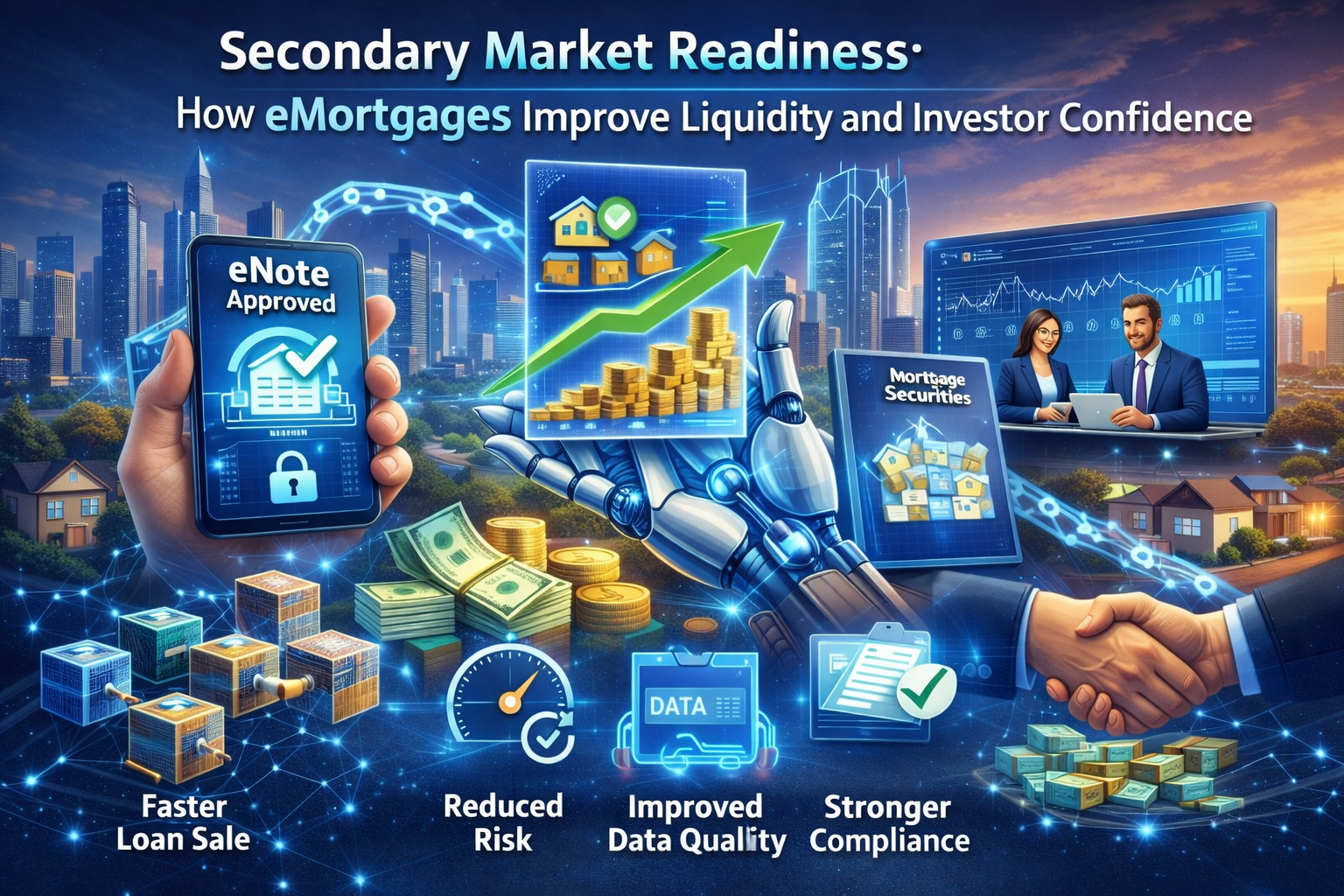
Secondary Market Readiness: How eMortgages Improve Liquidity and Investor Confidence
Discover how eMortgages enhance secondary market readiness by improving liquidity, reducing risk, strengthening data integrity, and boosting investor confidence across U.S. mortgage capital markets.
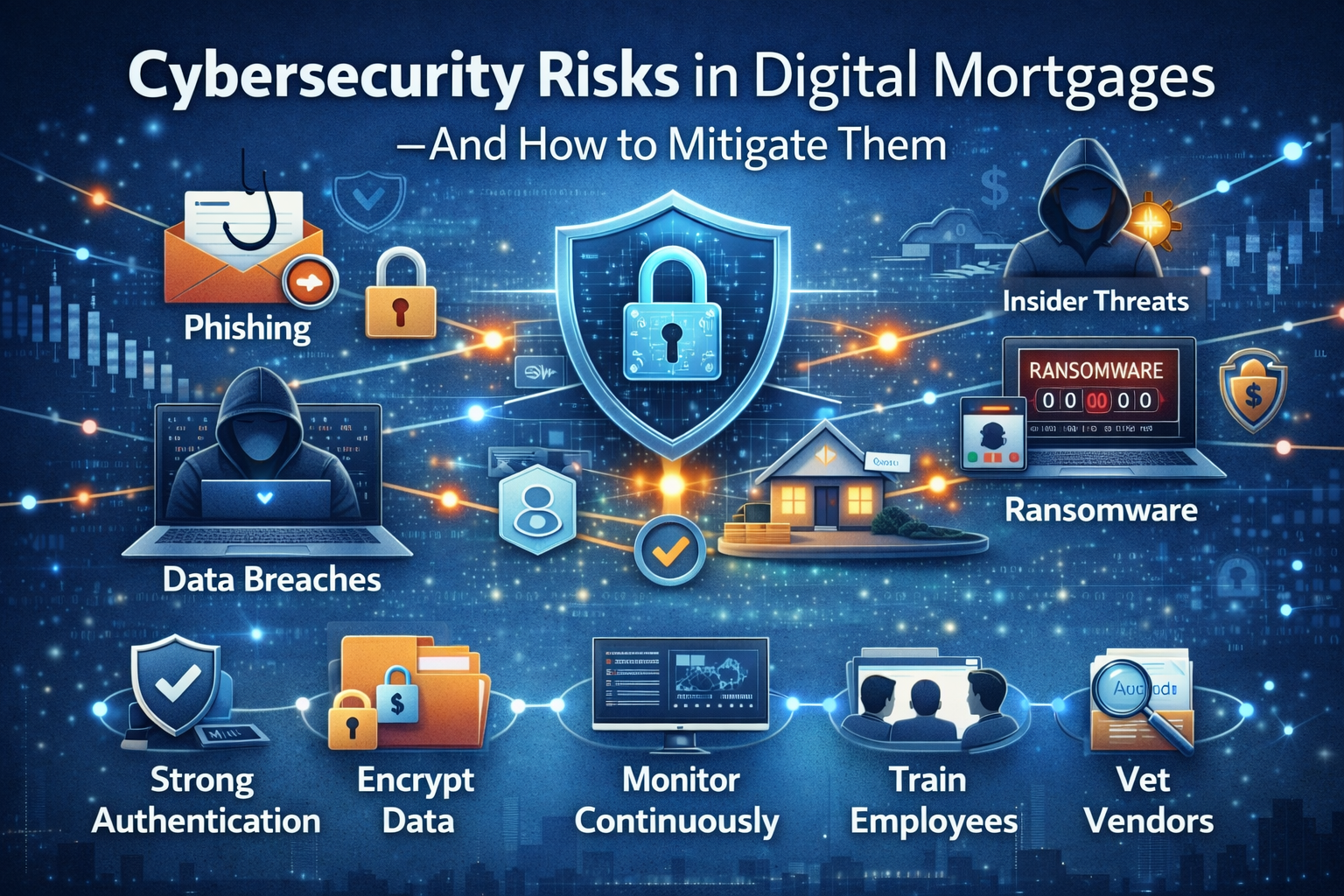
Cybersecurity Risks in Digital Mortgages—and How to Mitigate Them
The mortgage industry is going digital fast. From online applications and eSignatures to eNotes and cloud-based platforms, digital mortgages make the process quicker and more convenient for both lenders and borrowers.
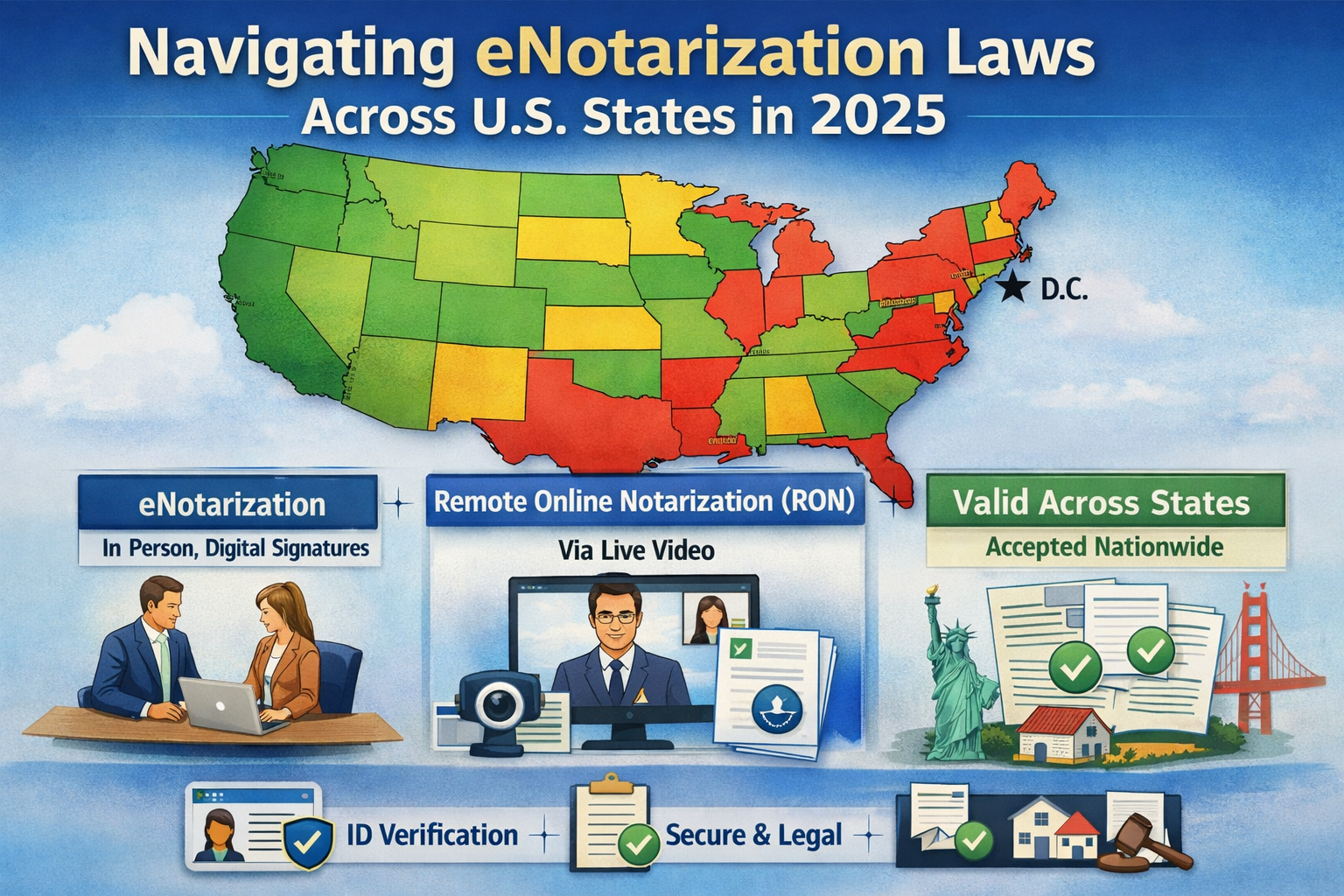
Navigating eNotarization Laws Across U.S. States in 2025
Buying a home, signing legal documents, or closing a loan no longer always requires an in-person visit to a notary. In 2025, eNotarization and Remote Online Notarization (RON) have become common across the U.S. — but state laws can still be confusing. This article breaks it down in simple terms.
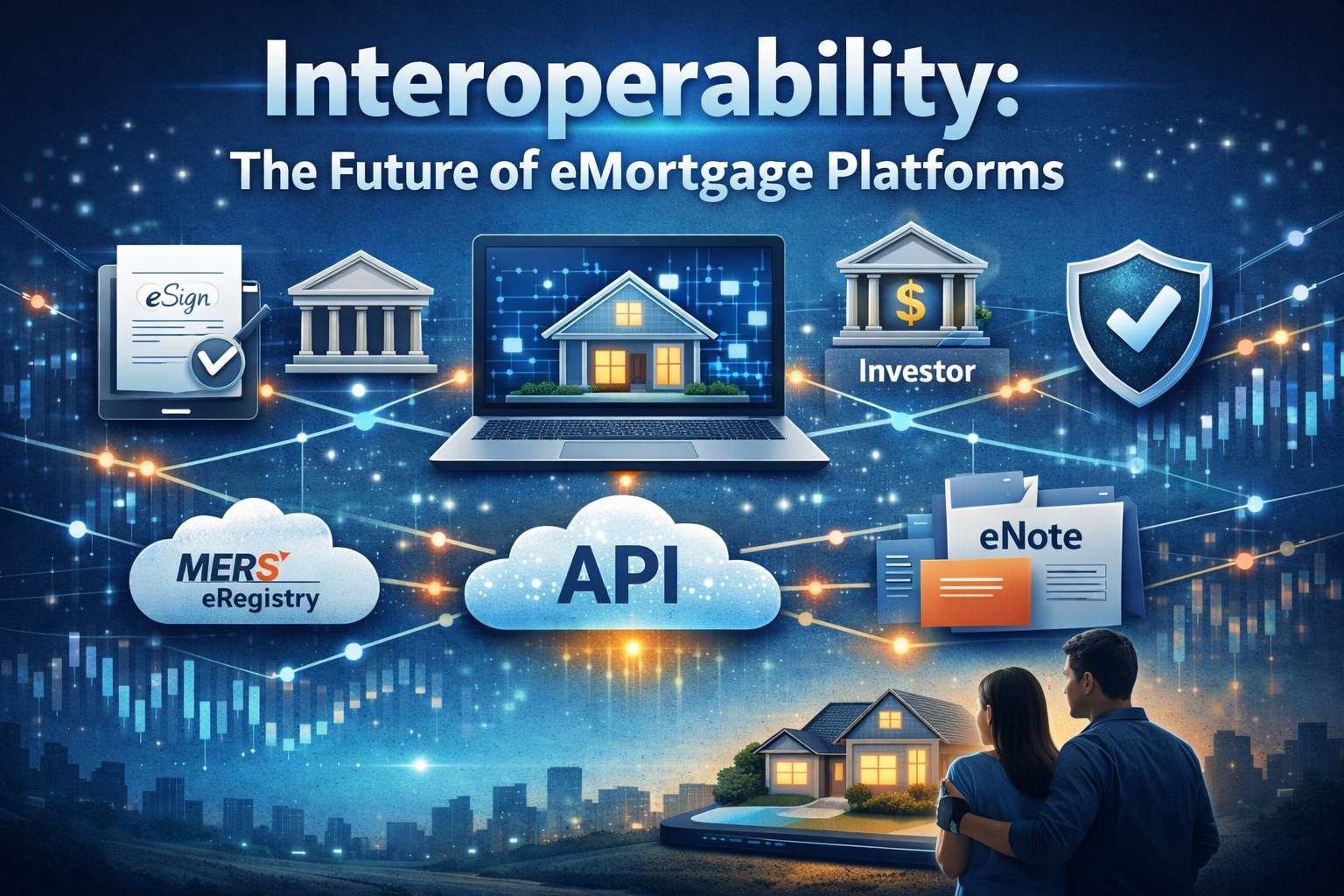
Why Interoperability Will Define the Next Generation of eMortgage Platforms
A modern digital mortgage ecosystem illustrating seamless data flow between lenders, borrowers, investors, and vendors—highlighting how interoperability connects eMortgage platforms through secure APIs and real-time integrations.
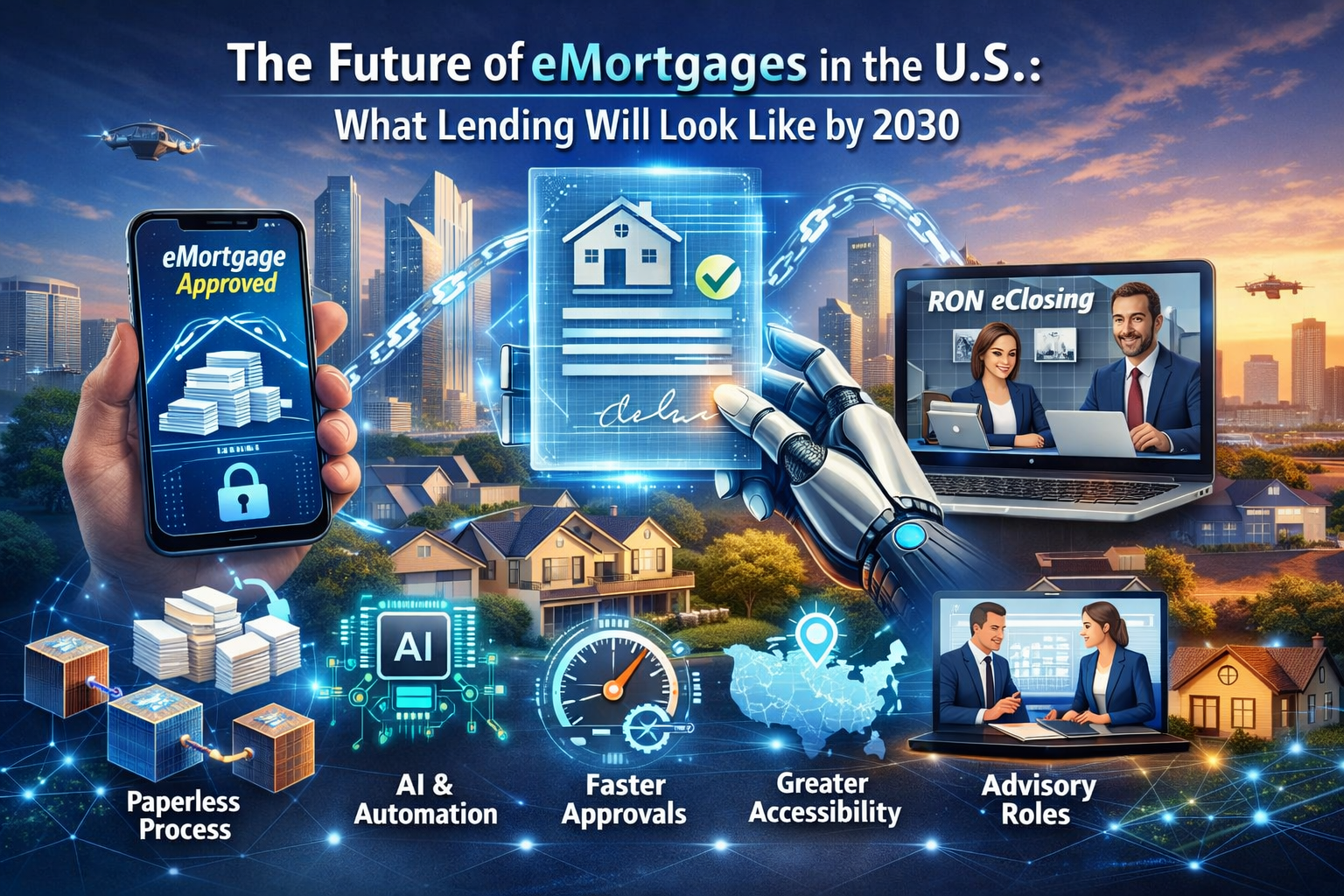
The Future of eMortgages in the U.S.: What Lending Will Look Like by 2030
Explore how eMortgages will reshape U.S. lending by 2030—faster approvals, paperless closings, AI-driven underwriting, enhanced security, and a fully digital borrower experience.
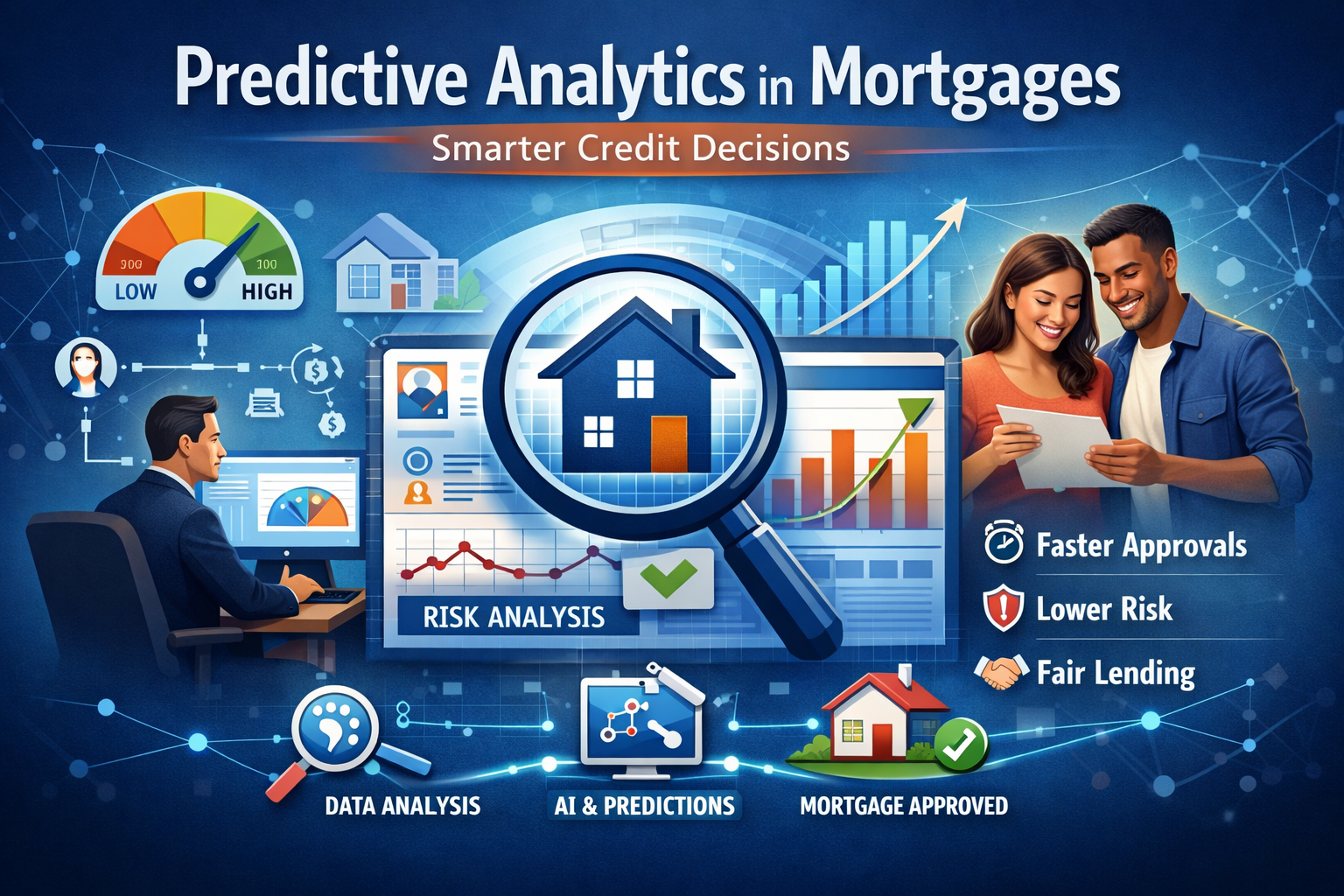
Predictive Analytics in Mortgages: Smarter Credit Decisions Made Simple
Learn how predictive analytics in mortgages enables smarter credit decisions, faster loan approvals, reduced defaults, and fairer lending for modern borrowers.
Why Digital Transformation Is No Longer Optional for U.S. Lenders
The U.S. mortgage industry is at a turning point. Rising borrower expectations, margin compression, regulatory complexity, and competition from fintechs have fundamentally changed how loans must be originated, closed, and serviced. In this environment, digital transformation is no longer a future initiative—it’s a present-day requirement.
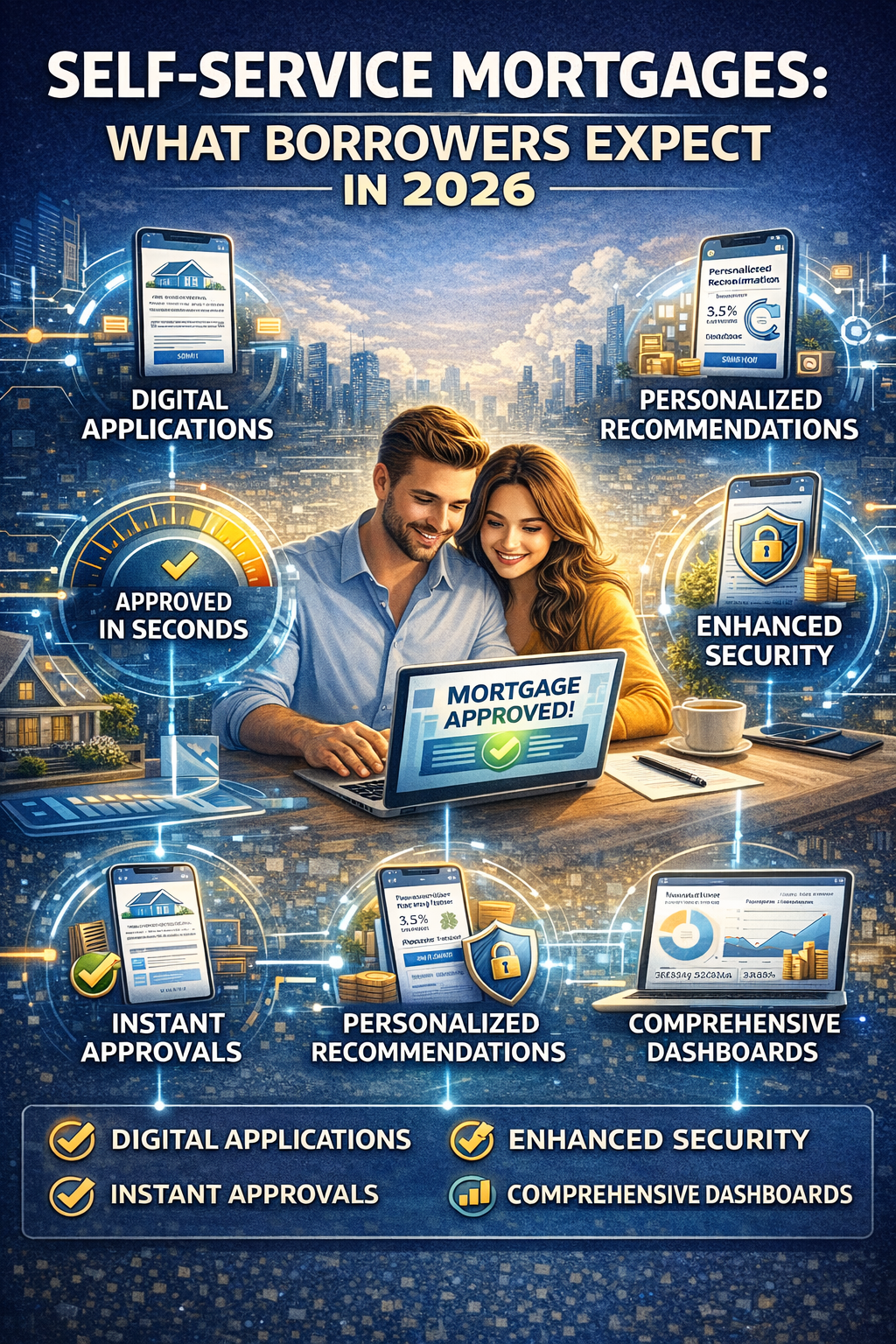
Self-Service Mortgages: What Borrowers Expect in 2026
A modern fintech illustration showing open API integrations accelerating mortgage workflows, reducing time-to-close, and strengthening investor confidence through real-time data sharing, automation, and transparent digital connectivity.
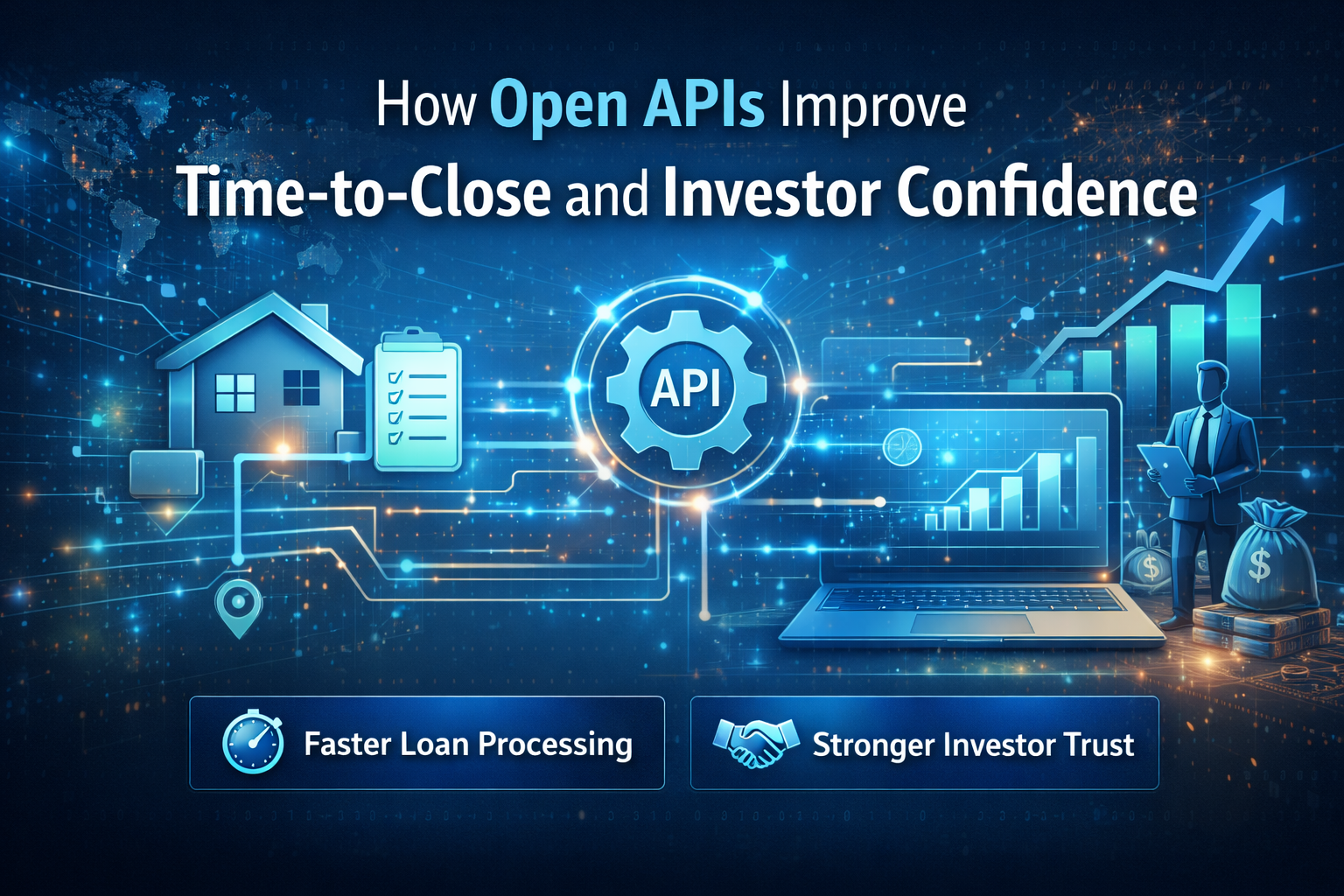
How Open APIs Improve Time-to-Close and Investor Confidence
Learn how open APIs speed up mortgage closings, reduce errors, and improve data transparency—boosting investor confidence and secondary market readiness in a digital-first mortgage ecosystem.
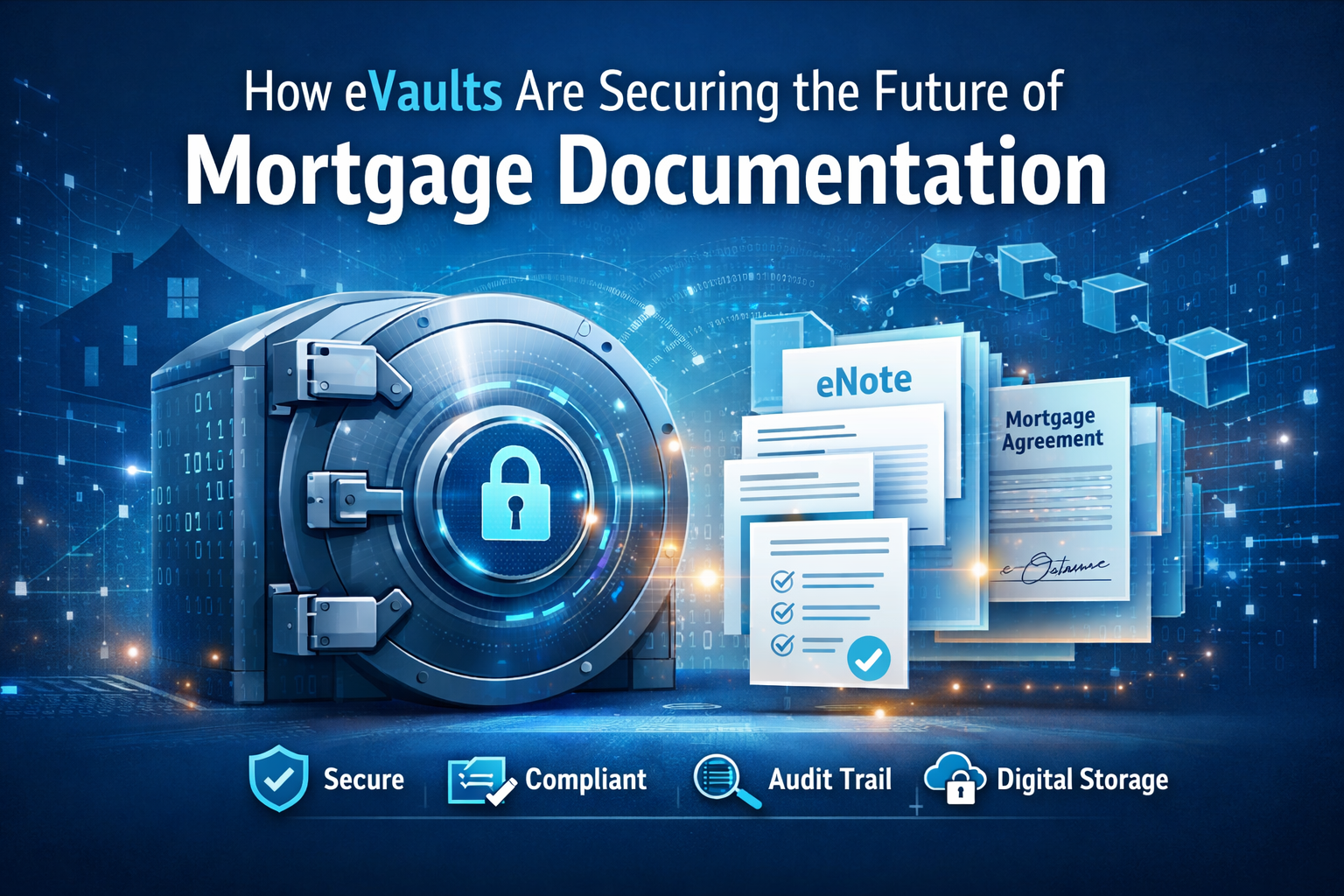
How eVaults Are Securing the Future of Mortgage Documentation
A secure digital vault protecting electronic mortgage documents, eNotes, and agreements, symbolizing how eVault technology ensures data integrity, compliance, and trust in modern mortgage documentation.
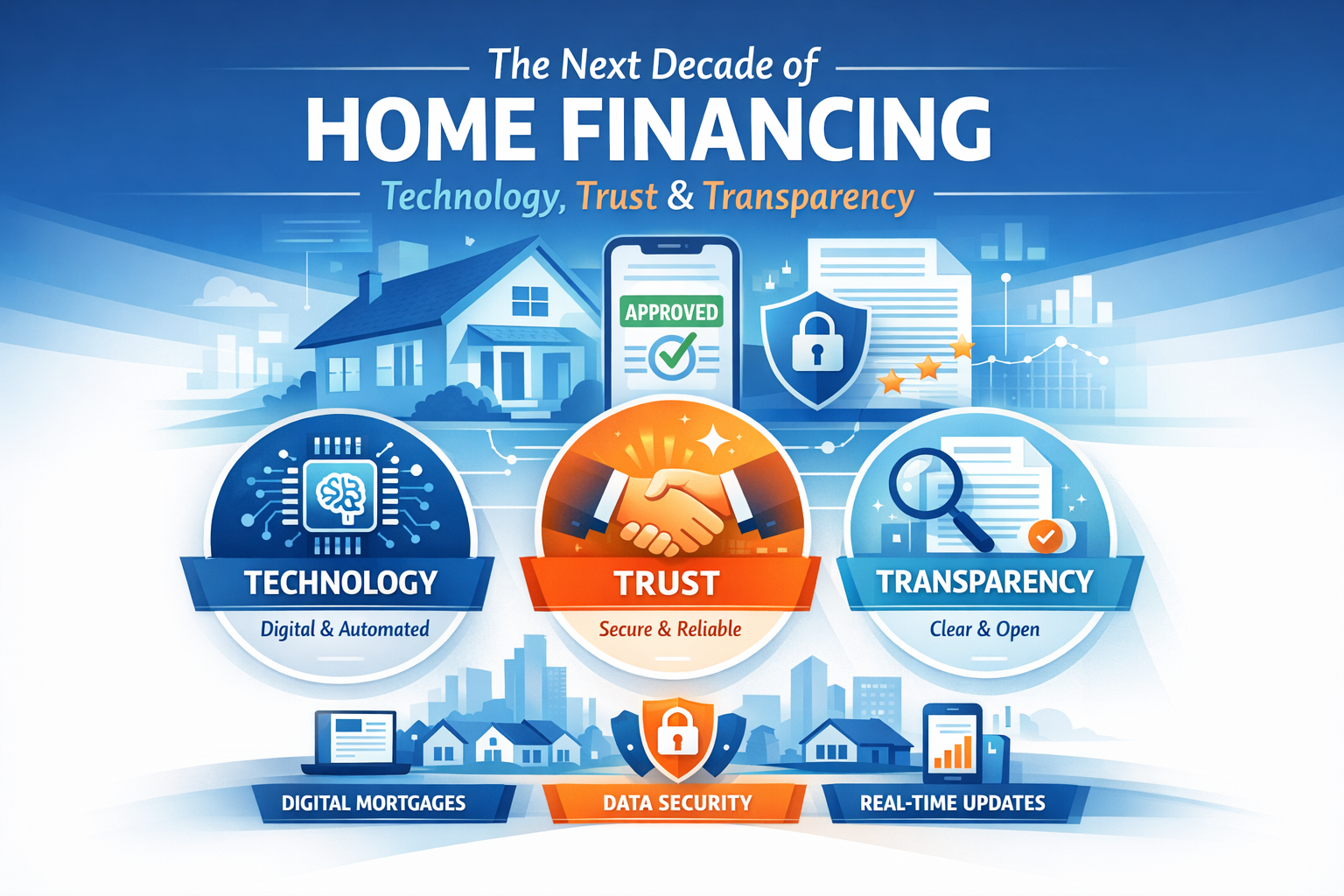
The Next Decade of Home Financing: Technology, Trust & Transparency
The home financing industry is entering a defining decade. Rising consumer expectations, regulatory scrutiny, and rapid technological innovation are reshaping how mortgages are originated, closed, sold, and serviced. What was once a paper-heavy, opaque process is steadily becoming digital, data-driven, and borrower-centric.
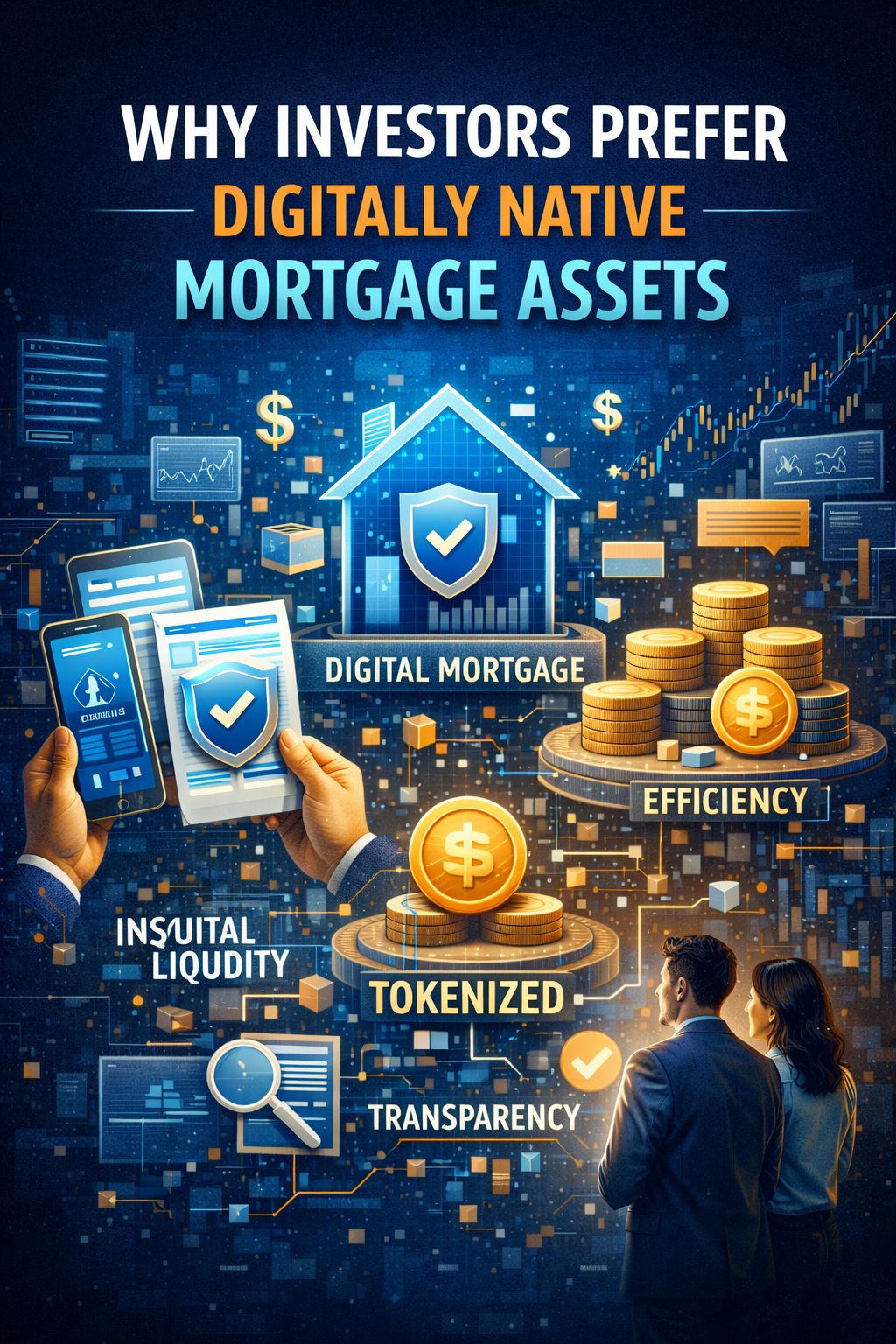
Why Investors Prefer Digitally Native Mortgage Assets
Learn how digitally native mortgage assets deliver greater transparency, operational efficiency, and faster liquidity—making them increasingly attractive to investors in today’s evolving secondary market.
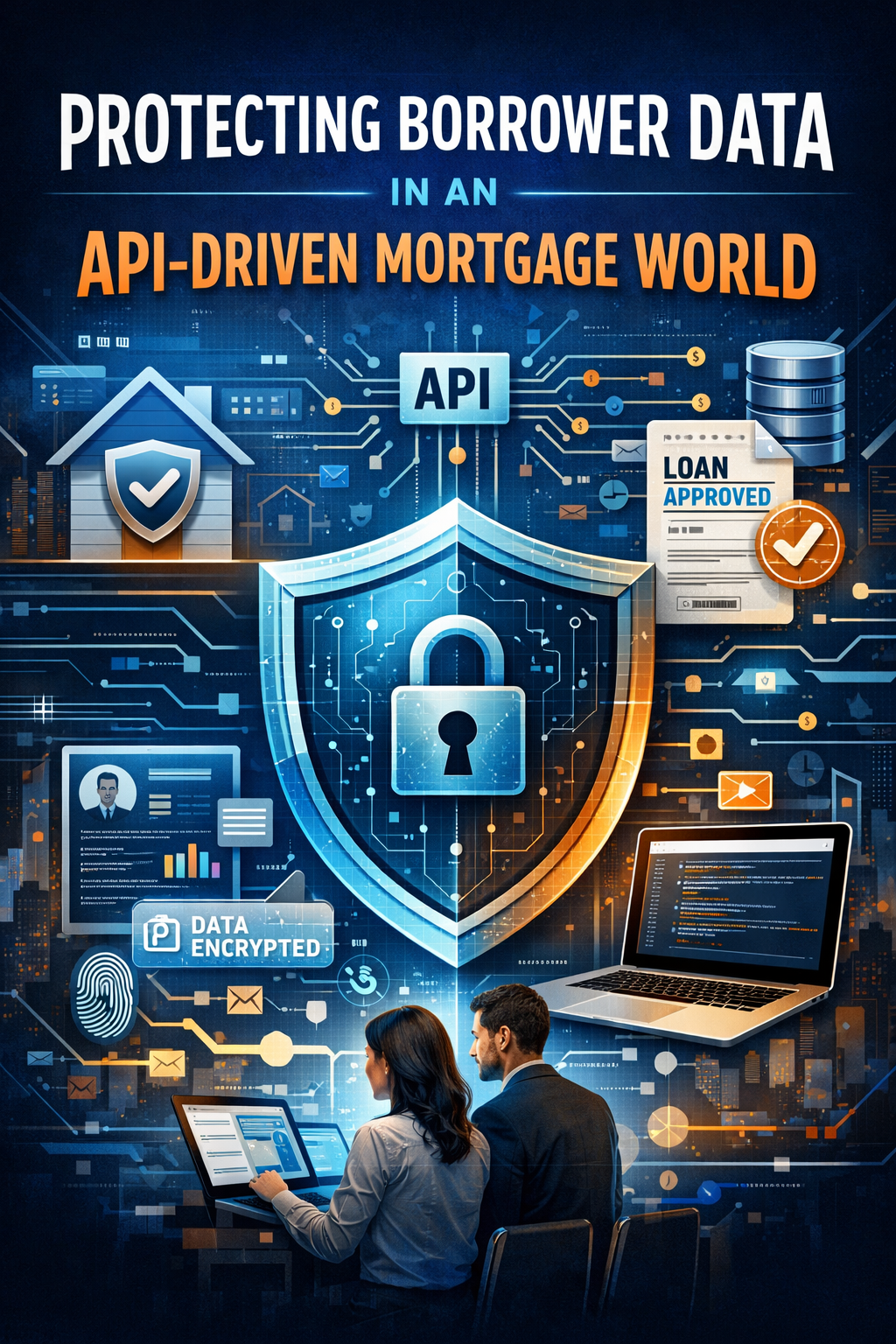
Protecting Borrower Data in an API-Driven Mortgage World
Explore best practices for securing borrower data in API-driven mortgage platforms, reducing privacy risks, and maintaining compliance across interconnected digital systems.
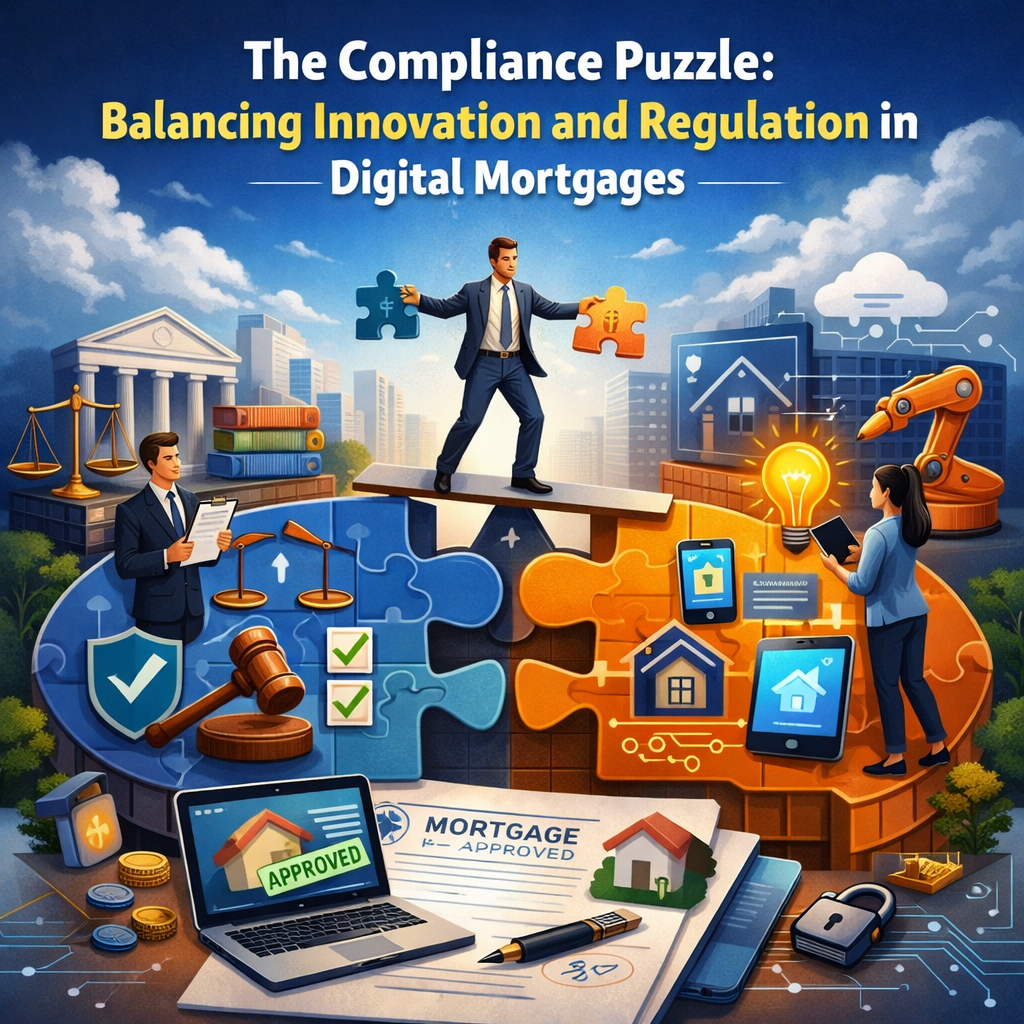
The Compliance Puzzle: Balancing Innovation and Regulation in Digital Mortgages
Understand the compliance challenges facing digital mortgage lenders and how aligning innovation with regulation can reduce risk, improve efficiency, and support long-term growth.
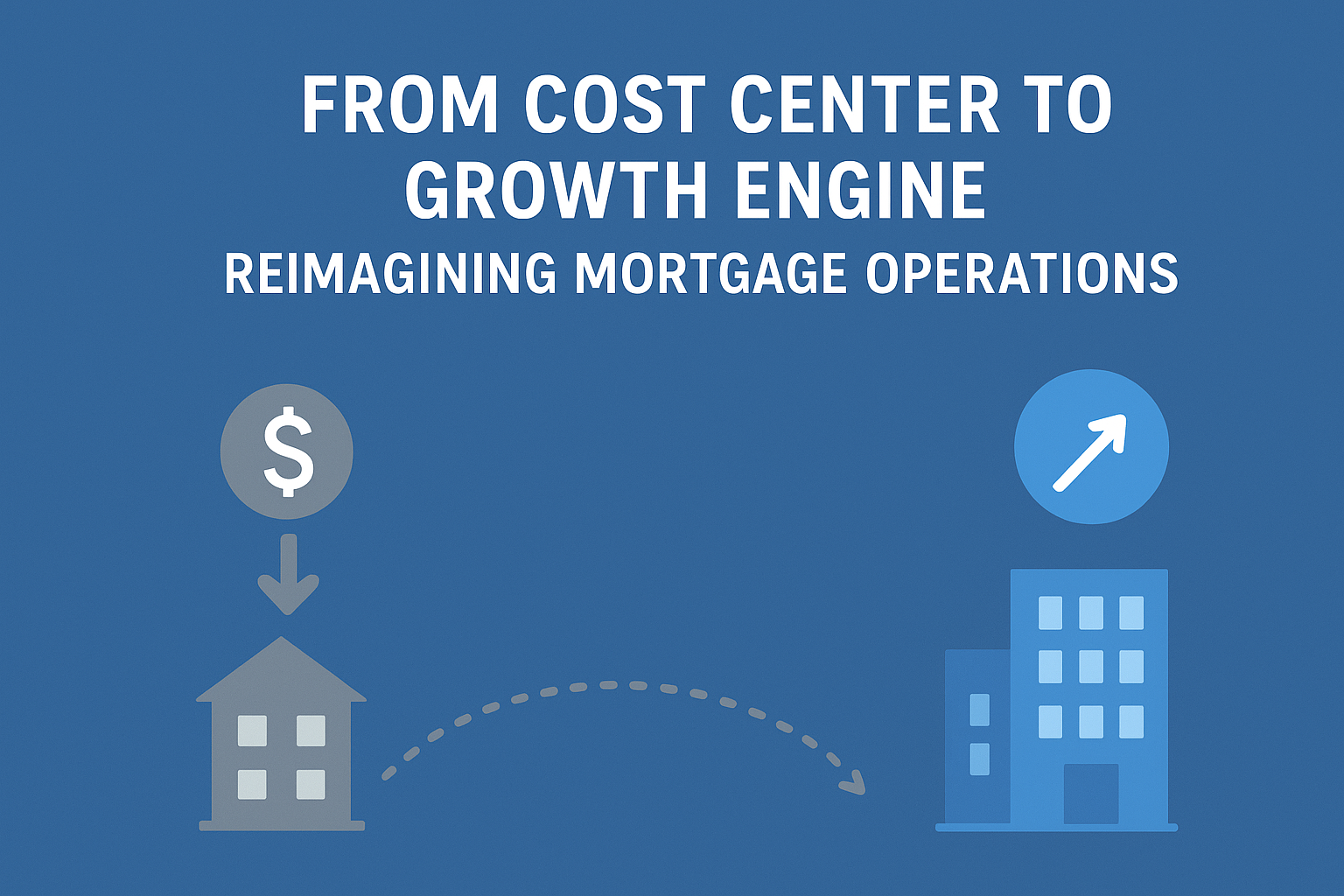
From Cost Center to Growth Engine: Reimagining Mortgage Operations
For decades, mortgage operations have been viewed as a necessary cost center—focused on processing loans, managing compliance, and minimizing risk. In today’s volatile housing market, rising operational costs, margin compression, and borrower expectations are forcing lenders to rethink this outdated mindset.
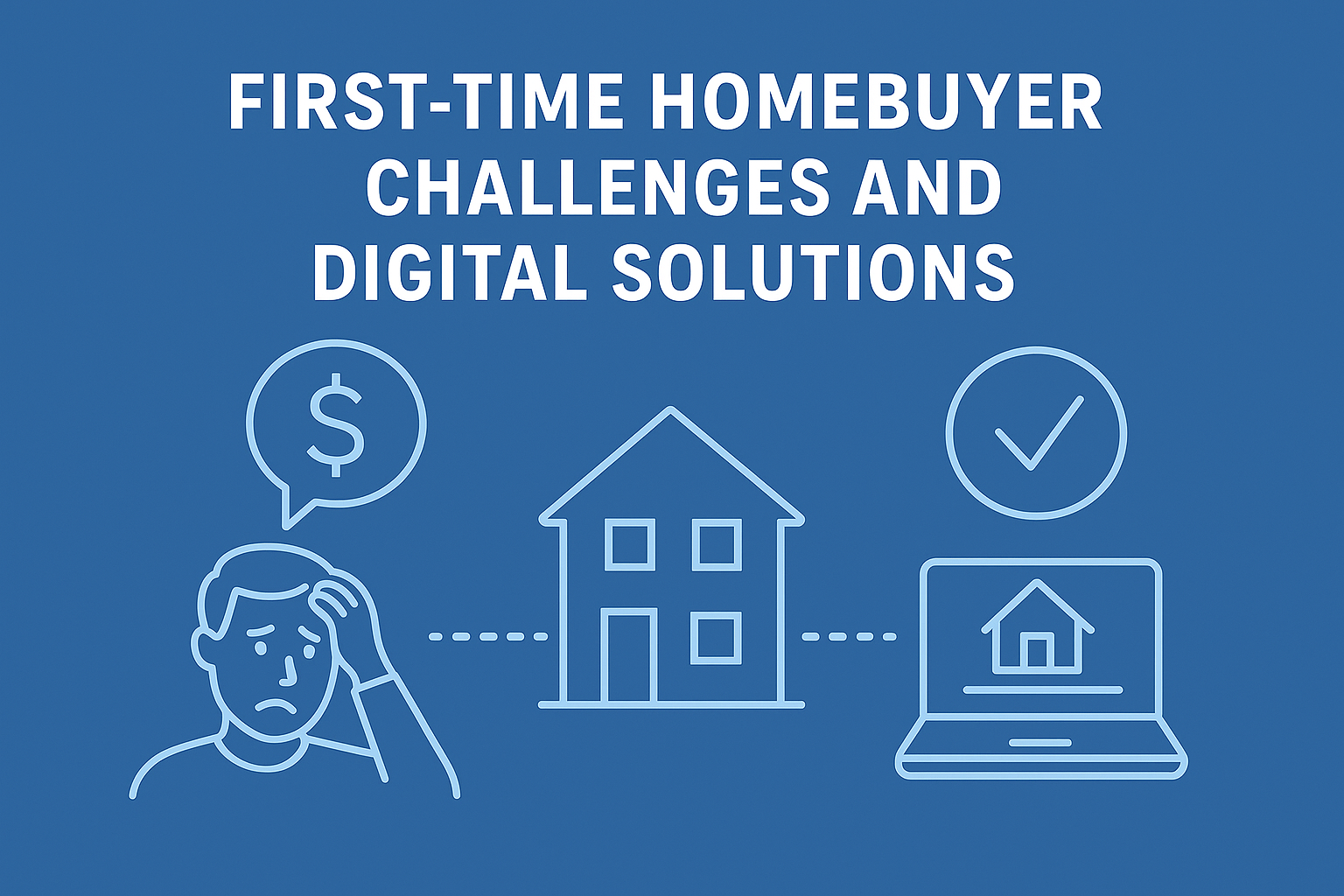
First-Time Homebuyer Challenges and Digital Solutions
Buying a first home is an exciting milestone—but for many first-time buyers, the journey is also overwhelming. Rising home prices, complex mortgage processes, limited financial literacy, and outdated lending systems continue to create barriers. As housing affordability tightens and buyer expectations shift, digital mortgage solutions are emerging as a powerful way to close the gap.